Decoding Separation Anxiety: Using Pet Cameras to Understand Stress
Learn how pet cameras and smart tech help decode canine separation anxiety, revealing hidden stress signals and guiding effective behavior training.

The Hidden Reality of Canine Separation Anxiety
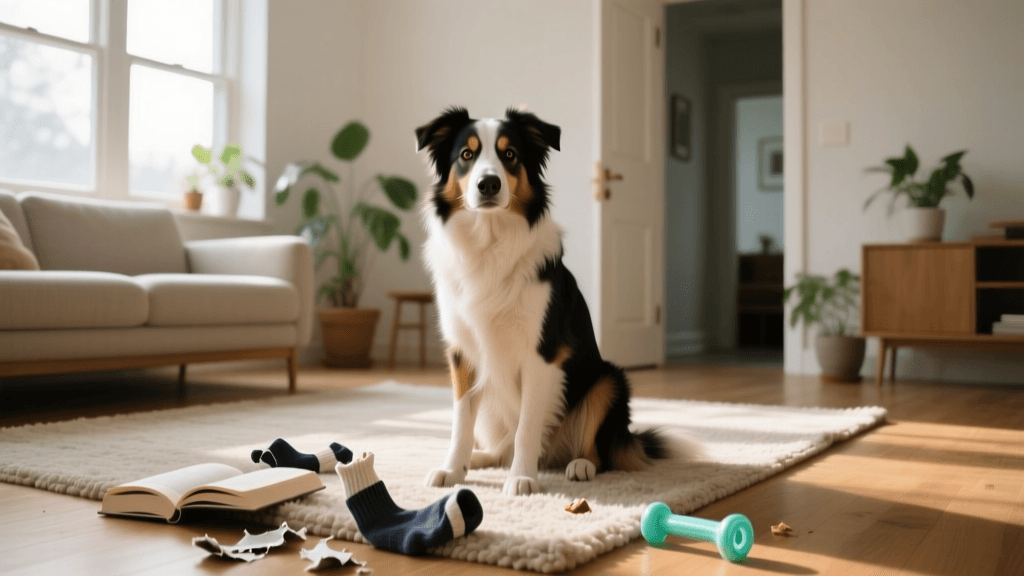
Dogs are profoundly social creatures, evolutionarily wired to live, work, and rest in the company of their pack. For many modern dogs, being left alone in a quiet house is not just boring; it is deeply unsettling. While most dogs learn to tolerate solitude, a significant subset develops separation anxiety—a genuine panic disorder that triggers a severe fight-or-flight response when isolated. As owners, we typically only witness the aftermath of this panic: shredded couch cushions, scratched doorframes, or complaints from neighbors about incessant barking. However, understanding the root of the behavior requires observing the dog in real-time. This is where modern pet technology, specifically smart cameras and biometric trackers, transitions from a simple convenience to a vital diagnostic tool for canine behavioral science.
Recognizing Stress Signals Through the Lens
Before the advent of affordable, high-definition pet cameras, veterinary behaviorists had to rely on owner descriptions or clinical observations to diagnose separation-related distress. Today, a strategically placed camera allows you to decode the precise timeline of your dog's anxiety. Understanding this timeline is critical because behavioral modification protocols, such as desensitization and counterconditioning, must be implemented before the dog crosses the threshold into panic.
The Escalation Cycle
When reviewing camera footage, behaviorists look for the 'escalation cycle.' This cycle often begins the moment you initiate departure cues—picking up your keys, putting on your shoes, or grabbing your coat. Through a camera lens, you might notice subtle calming signals or stress indicators: excessive yawning, lip licking, pacing, or 'whale eye' (showing the whites of the eyes). Once the door closes, the anxiety typically spikes. By reviewing footage, you can pinpoint exactly how many minutes it takes for your dog to transition from mild concern to active distress, which dictates the duration of your initial training absences.
Active vs. Passive Anxiety Indicators
Not all dogs express separation anxiety through destruction or vocalization. Some dogs suffer in silence, exhibiting passive stress responses that go entirely unnoticed by owners who simply assume their dog is 'sleeping all day.' Pet cameras with high-quality night vision and motion-tracking help differentiate between a relaxed dog and a shut-down dog.
| Indicator Type | Behavioral Signs (Observed on Camera) | Psychological State |
|---|---|---|
| Active Anxiety | Pacing in tight circles, scratching at exit points, prolonged howling, destructive chewing, inappropriate elimination. | Hyper-arousal, adrenaline-fueled panic, active attempt to escape or reunite with the owner. |
| Passive Anxiety | Staring fixedly at the door, trembling, refusing to eat high-value treats, excessive shedding, shutting down in a corner. | Learned helplessness, chronic cortisol elevation, depressive withdrawal, suppressed immune response. |
If your camera reveals that your dog refuses to eat a puzzle toy stuffed with peanut butter the moment you leave, this is a massive diagnostic clue. A dog in a state of panic will have its digestive system suppressed by the sympathetic nervous system, making eating physiologically impossible.
Choosing the Right Pet Camera for Behavioral Analysis
Not all smart home cameras are created equal when it comes to canine behavioral analysis. To truly understand your dog's body language and micro-expressions, specific hardware features are non-negotiable. You need a wide field of view to track pacing routes, high resolution to see subtle facial tension, and reliable audio to monitor whining or panting.
| Device | Key Behavioral Features | Best Use Case |
|---|---|---|
| Furbo 360 | 360-degree panning view, treat tossing, 'Dog Activity' alerts, barking notifications. | Active anxiety; dogs that pace or move between rooms. The treat tosser aids in counterconditioning. |
| Wyze Cam v3 | Exceptional color night vision, continuous SD recording, wide static angle, budget-friendly. | Passive anxiety; monitoring sleep quality, trembling, or nighttime restlessness without motion-trigger gaps. |
| Petcube Bites 2 Lite | 1080p HD, 160-degree wide angle, treat dispensing, two-way audio with minimal lag. | Interactive training; allowing remote positive reinforcement when the dog exhibits calm behavior. |
Biometric Trackers: Measuring the Invisible Stress
While cameras show you what your dog is doing, smart collars and biometric trackers tell you what your dog's body is experiencing internally. Advanced GPS and health trackers, such as the Fi Series 3 or Whistle Go, now monitor metrics beyond daily steps. They track resting heart rate, respiratory rates, and sleep cycles. Chronic separation anxiety often leads to poor sleep quality and elevated resting heart rates. By correlating the biometric data from your dog's smart collar with the video footage from your pet camera, you can build a comprehensive profile of your dog's physiological stress response, providing invaluable data to your veterinarian or certified applied animal behaviorist.
The Psychology of Two-Way Audio and Treat Tossers
A common question among owners utilizing pet tech is whether two-way audio helps soothe an anxious dog. The answer, from a behavioral psychology standpoint, is highly nuanced. For some dogs, hearing their owner's voice provides a temporary anchor of safety. However, for many dogs with severe separation anxiety, two-way audio actually exacerbates the problem. Hearing your voice without being able to locate you can trigger 'frustration barking' and heighten confusion. The ASPCA notes that dogs with separation distress are experiencing a panic response, and auditory stimulation from an invisible owner can sometimes act as an unpredictable trigger rather than a comfort.
Conversely, automated treat tossers can be powerful tools for classical conditioning. By programming a camera to dispense a high-value reward at randomized intervals while you are away, you can begin to change the dog's emotional response to solitude. The goal is to shift the dog's psychological association from 'being alone means abandonment' to 'being alone predicts wonderful things.' This must be done carefully, ensuring the dog is not already over the threshold of panic, as a panicked dog will not eat.
Integrating Tech with Professional Behavioral Science
Technology is a diagnostic mirror, not a cure. A pet camera will show you the depth of your dog's distress, but resolving that distress requires systematic behavioral modification. According to the Humane Society of the United States, treating separation anxiety involves a structured protocol of desensitization to departure cues and gradual increases in alone time, always keeping the dog under their anxiety threshold. Your camera allows you to enforce this threshold perfectly; if you step out for five minutes and observe panting and pacing on your phone, you know you must return and shorten the next absence to two minutes.
Furthermore, experts at Fear Free Pets emphasize the importance of creating a 'safe space' for anxious dogs. You can use your camera to observe which areas of the house your dog naturally gravitates toward when stressed, allowing you to place calming pheromone diffusers, white noise machines, and comfortable bedding in their preferred sanctuary rather than forcing them into a crate, which can sometimes worsen confinement distress.
Conclusion
Understanding your dog's separation anxiety requires empathy, patience, and objective observation. By leveraging modern gear like high-definition pet cameras and biometric smart collars, you strip away the guesswork and confront the reality of your dog's emotional state. This technology bridges the communication gap between species, transforming hidden suffering into actionable data. When paired with science-based behavioral modification techniques, these tools empower you to guide your dog out of panic and toward a state of genuine, relaxed independence.
priya-sutaria
All our authors care for dogs every day — read more of their work on the authors page.