2026 Engage-Disengage Protocol for Leash-Reactive Dogs
Master the 2026 Engage-Disengage protocol for leash-reactive dogs. Learn threshold management, gear picks, and counter-conditioning steps for calm walks.
The Science of Leash Reactivity in 2026
As urban density continues to increase in 2026, leash reactivity has become one of the most common behavioral challenges reported by dog owners. Leash reactivity—characterized by barking, lunging, or freezing when encountering triggers like other dogs, cyclists, or strangers—is rarely rooted in true aggression. Instead, it is typically a manifestation of fear, frustration, or barrier frustration. When a dog is confined to a leash, their natural 'fight or flight' response is compromised because the 'flight' option is removed. This triggers an autonomic nervous system response that floods the brain with cortisol and adrenaline.
To effectively manage and rehabilitate a reactive dog, modern behaviorists rely on the Engage-Disengage Game, a counter-conditioning and desensitization protocol originally developed by Laura Donaldson and refined by certified behaviorists over the years. According to the International Association of Animal Behavior Consultants (IAABC), successful reactivity modification requires keeping the dog 'sub-threshold' while systematically changing their emotional response to the trigger. This comprehensive guide will walk you through the exact 2026 protocols, gear requirements, and troubleshooting steps to transform your dog's leash manners.
Mapping Your Dog’s Threshold Ladder
Before initiating any training, you must understand the concept of the 'Threshold Ladder.' A dog's threshold is the exact distance or intensity at which they notice a trigger but remain capable of learning and taking treats. In 2026, veterinary behaviorists categorize threshold into three distinct zones:
- The Green Zone (Sub-Threshold): The dog notices the trigger but remains relaxed. Ears are forward, body is loose, and they will readily eat high-value treats. This is the only zone where learning occurs.
- The Yellow Zone (Threshold Edge): The dog is concerned. They may stare intensely, close their mouth, or show slight tension. They might take treats but snatch them. You must increase distance immediately.
- The Red Zone (Over-Threshold): The dog is reacting (barking, lunging). The sympathetic nervous system has taken over. Learning is biologically impossible in this state. You must perform an emergency U-turn and decompress.
'Flooding'—intentionally exposing a dog to a trigger at full intensity until they stop reacting—is a debunked and harmful practice. Modern 2026 protocols strictly mandate sub-threshold exposure to prevent trauma and sensitization. Always prioritize distance over obedience.
Essential 2026 Gear for Threshold Management
Managing a reactive dog requires specialized equipment that ensures safety without causing pain or fear. Aversive tools like prong collars, choke chains, and shock collars are strongly discouraged by the ASPCA Common Dog Behavior Issues database, as they suppress warning signs and can exacerbate underlying anxiety. Below is the recommended 2026 gear setup for urban reactivity management:
| Gear Category | 2026 Recommended Model | Key Feature for Reactivity | Avg. 2026 Cost |
|---|---|---|---|
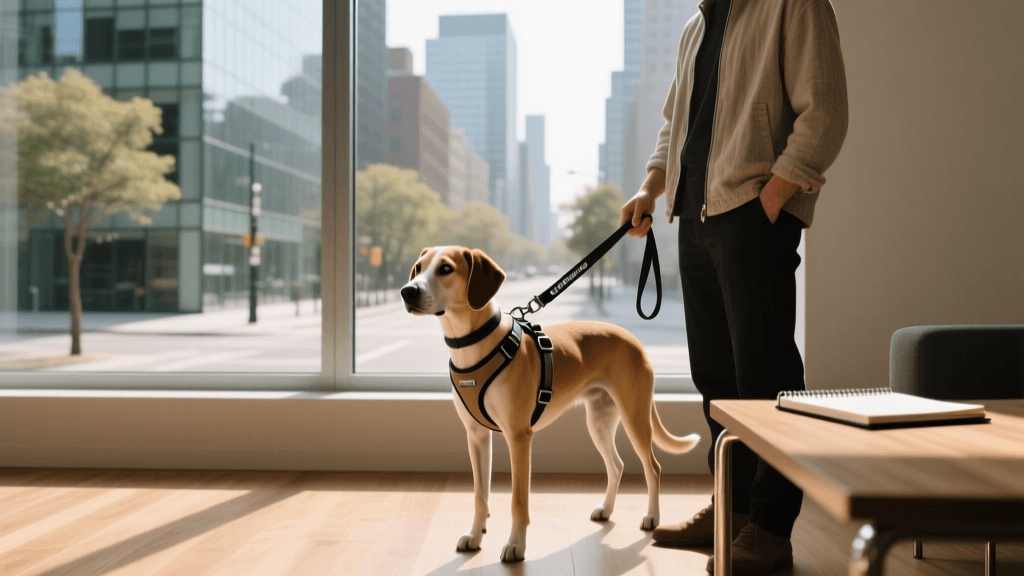
| Harness | Ruffwear Front Range (2026 Update) | Dual attachment (chest & back) for safe steering | $48.00 |
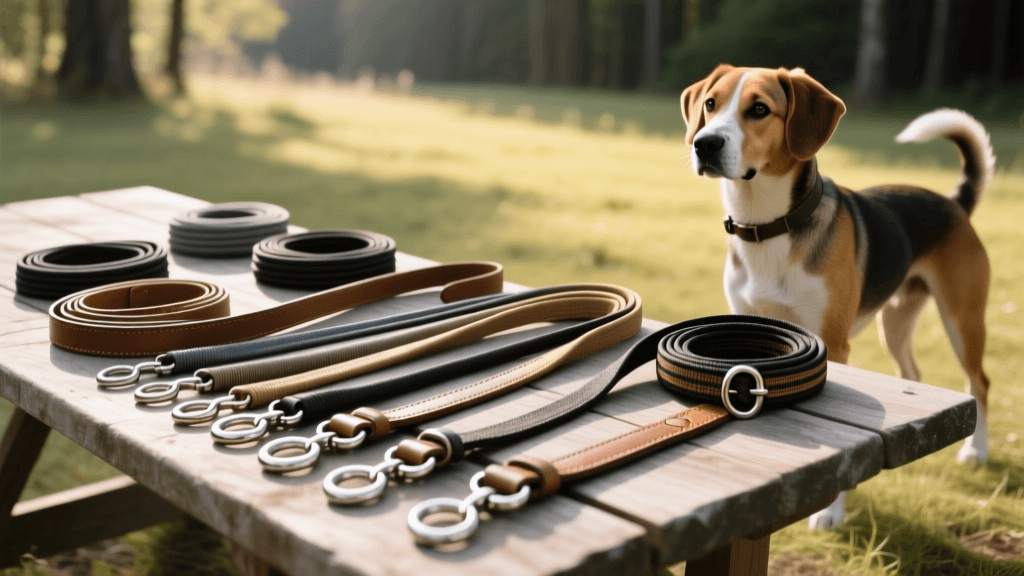
| Leash | Biothane Long Line (15ft, 1/2 inch) | Waterproof, no snap-back, allows decompression sniffing | $35.00 |
| Treat Pouch | Doggone Good Rapid Rewards Pouch | Silent magnetic closure prevents accidental trigger cues | $24.00 |
| Visual Blocker | Mutt Muffs (Sensory Reduction Model) | Reduces auditory triggers in high-density urban zones | $65.00 |
The Engage-Disengage Protocol: Step-by-Step
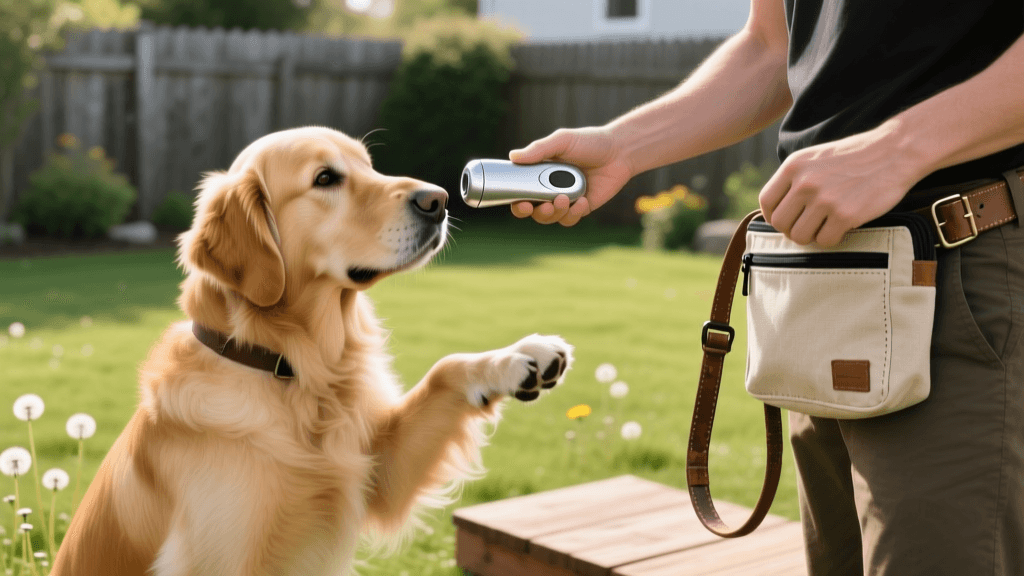
The Engage-Disengage game rewires your dog's brain to associate the presence of a trigger with a positive outcome (food), while teaching them that looking away from the trigger is the most rewarding behavior. You will need a clicker or a consistent marker word (like 'Yes!'), and a pouch full of high-value treats.
Phase 1: Engage (Mark and Reward)
Find an environment where you can control the distance to the trigger (e.g., a quiet park bench 40 feet away from a walking path). When your dog looks at the trigger (Engage), immediately mark the behavior with your clicker or marker word, then feed a treat. You are not asking for a 'sit' or a 'look at me.' You are simply marking the act of observing the trigger from a safe distance. Repeat this 10-15 times over multiple sessions.
Phase 2: Disengage (Voluntary Look Away)
Once your dog reliably looks at the trigger and then immediately whips their head back to you expecting a treat, you transition to Phase 2. Now, when your dog looks at the trigger, do not mark immediately. Wait for a count of 'one-Mississippi.' If the dog voluntarily turns their head away from the trigger to look at you (Disengage), mark and deliver a 'jackpot' reward (3-5 treats in a row). This teaches the dog that disengaging from the trigger is highly lucrative.
Phase 3: Decreasing Distance
Only when your dog is consistently offering the disengage behavior at your current distance should you move 2-3 feet closer to the trigger. If the dog reacts or fails to disengage, you have moved too close, too fast. Calmly retreat 5 feet and try again.
Sourcing High-Value Reinforcers (2026 Pricing)
For counter-conditioning, dry kibble or standard biscuits are rarely sufficient. You need 'currency' that motivates the dog enough to override their stress response. The American Kennel Club (AKC) Training Hub emphasizes the use of novel, high-scent, protein-rich treats for behavioral modification. Here are the top-tier reinforcers for 2026 and their average costs:
- Freeze-Dried Beef Liver: Extremely high scent profile. Average cost: $4.50 per ounce. Best for high-distraction environments.
- Dehydrated Smelt (Whole Fish): Novel protein that many dogs find irresistible. Average cost: $3.80 per ounce. Excellent for dogs with poultry or beef allergies.
- Lick Mats with Goat's Milk Kefir: Used for stationary threshold work (e.g., sitting on a park bench). Licking releases endorphins that naturally soothe the canine nervous system. Average cost: $6.00 per 16oz tub.
Troubleshooting Common Setbacks
Even with a flawless protocol, setbacks occur. Here is how to handle the most common issues encountered during the 2026 training season:
1. The Dog Won't Eat Treats
If your dog refuses to eat, they are in the Yellow or Red Zone. Stress shuts down the digestive system. Do not force the treat. Simply increase your distance from the trigger by 20 feet and try again. If they still won't eat, end the session and go home for a decompression 'sniffari' in a quiet area.
2. The Trigger Approaches Too Quickly
In urban settings, off-leash dogs or fast-moving cyclists can suddenly breach your safe distance. Teach your dog an 'Emergency U-Turn' cue. Say 'Let's Go!' in an upbeat tone, pivot 180 degrees, and run a few steps away, tossing high-value treats on the ground for them to chase. Practice this in your living room before using it in the field.
3. Handler Anxiety Transfer
Dogs are highly attuned to human biometrics. If you tense up, hold your breath, or grip the leash tightly when you see a trigger, your dog will assume there is a legitimate threat. Practice 'box breathing' (inhale for 4 seconds, hold for 4, exhale for 4, hold for 4) as a trigger approaches. Keep the leash loose; a tight leash communicates tension and restricts the dog's ability to use natural calming signals.
Conclusion: Patience and Decompression
Rehabilitating a leash-reactive dog is a marathon, not a sprint. The Engage-Disengage protocol requires consistency, impeccable timing, and a deep understanding of canine body language. Remember to prioritize mental decompression over physical exercise. A 20-minute 'sniffari' on a 15-foot long line in a quiet field is far more exhausting and beneficial for a reactive dog than a stressful 2-mile walk in a crowded city center. By utilizing the 2026 gear recommendations, respecting your dog's threshold ladder, and relying on positive reinforcement, you will gradually transform your dog's emotional response and reclaim the joy of walking together.
beth-carrasco
All our authors care for dogs every day — read more of their work on the authors page.