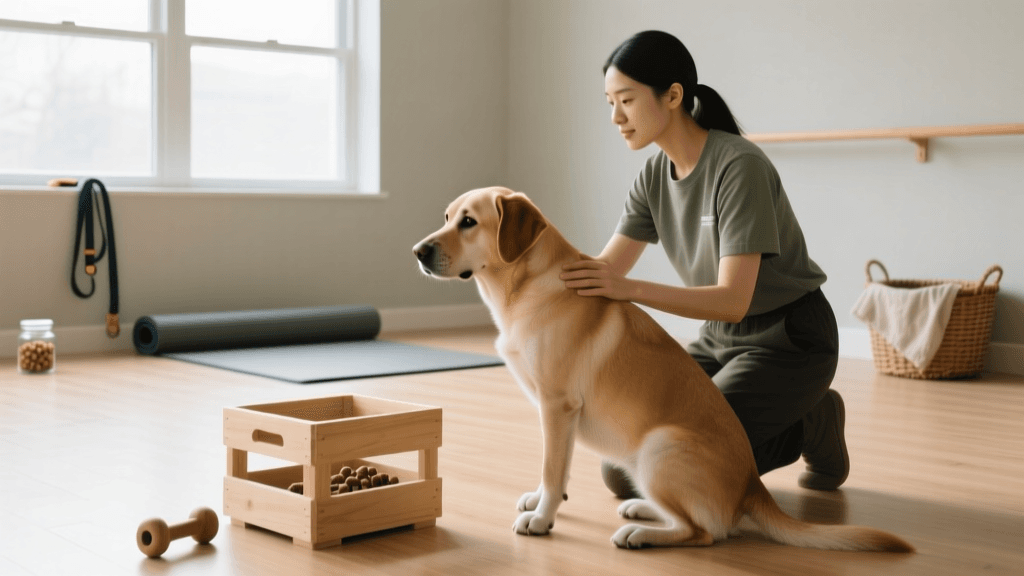
Understanding Your Adolescent Dog: Surviving the Teenage Phase
Discover the psychology behind your adolescent dog's rebellious behavior. Learn actionable training tips, brain games, and routines to survive the teenage phase.
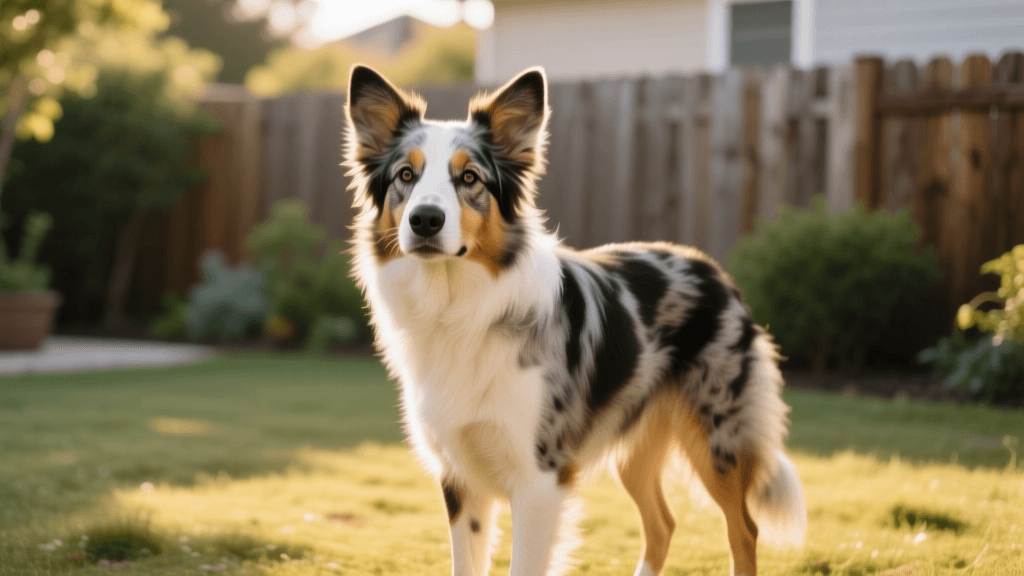
The Canine Teenager: What is Dog Adolescence?
If your once-obedient, velcro puppy has suddenly transformed into a rebellious, easily distracted, and seemingly defiant creature, congratulations: you have entered the canine adolescent phase. Often referred to as the "teenage" stage of dog development, adolescence is arguably the most misunderstood and challenging life stage for dog owners. It is the period where puppyhood ends, but adult maturity has not yet fully set in.
The timeline for this developmental stage varies significantly based on your dog's breed and size. Small breed dogs (under 20 pounds) may enter adolescence as early as 4 to 6 months and reach maturity by 12 months. Medium breeds typically experience this phase between 6 and 14 months. Large and giant breeds, however, can remain in their adolescent stage from 8 months all the way up to 18 or even 24 months. Understanding that this behavior is a biological imperative—not a personal attack or a sign of "bad" training—is the first step in surviving it.
The Psychology and Neurology Behind the Rebellion
To truly understand your adolescent dog, you must look at what is happening inside their brain. During adolescence, a dog's brain undergoes massive synaptic pruning and restructuring. The amygdala, the part of the brain responsible for emotional responses, fear, and arousal, develops much faster than the prefrontal cortex, which is responsible for impulse control and decision-making.
This neurological mismatch is incredibly similar to human teenagers. Your dog literally lacks the fully developed neural pathways required to consistently control their impulses, especially in high-distraction environments. Furthermore, a landmark 2020 study published in Biology Letters and indexed by the NCBI confirmed that adolescent dogs exhibit a specific "attachment-related conflict" with their primary caregivers. The researchers found that dogs in their adolescent phase were significantly more likely to ignore commands given by their primary carers compared to commands given by strangers, mirroring the parent-teen rebellion seen in humans.
Key Takeaway: Your dog is not being stubborn to spite you. Their brain is flooded with hormones and developmental changes that temporarily override their previously learned obedience.
The Second Fear Period: A Crucial Developmental Stage
Between the ages of 6 and 14 months, dogs go through what behaviorists call the "Second Fear Period." During this window, your dog may suddenly develop intense phobias of things they previously ignored. A flapping plastic bag, a specific type of hat, or a noisy garbage truck can suddenly trigger a full-blown panic response.
How you handle these fear responses will shape your dog's adult psychology. Forcing your dog to confront their fear (a technique known as "flooding") will only deepen the neurological trauma and cement the phobia. Instead, practice desensitization and counter-conditioning. If your dog is terrified of a trash can, stop at a distance where they notice the object but remain under their fear threshold. Feed them high-value rewards, such as a 3-ounce bag of freeze-dried beef liver (approx. $12-$15), to build a positive emotional association. Slowly decrease the distance over multiple sessions spanning several weeks.
Managing "Selective Hearing" and Recall Regression
One of the most frustrating aspects of the teenage phase is recall regression. Your dog, who used to come running when called at the dog park, now stares at you blankly before sprinting in the opposite direction to chase a squirrel. This is driven by a sudden spike in prey drive and environmental curiosity.
According to the American Kennel Club (AKC), maintaining recall during adolescence requires managing the environment and utilizing the Premack Principle. The Premack Principle states that a more highly probable behavior (chasing a squirrel) can be used to reinforce a less probable behavior (coming when called).
- Step 1: Call your dog using a high-pitched, exciting voice.
- Step 2: When they return, reward them not just with a treat, but with the environment. Say "Go Sniff!" or "Go Play!" and release them back to the thing they wanted to investigate.
- Step 3: Never call your dog to you just to leash them and end the fun. Approach them, hand-feed a treat, and then leash them to prevent the "recall equals the end of the walk" association.
Actionable Survival Guide: Essential Gear and Costs
Managing an adolescent dog requires the right tools to ensure safety while giving them the freedom to explore. Here is a curated list of actionable gear to help you manage this life stage:
- Biothane Long Line (15 to 30 feet): Cost: $25 - $45. A waterproof, durable long line allows your dog to explore and sniff at a distance while you maintain ultimate control. Avoid retractable leashes, which can snap under the sudden lunging force of a 60-pound teenager.
- Front-Clip No-Pull Harness: Cost: $30 - $50. Adolescent dogs often test their physical strength on the leash. A front-clip harness gently redirects their momentum toward you when they pull, saving your shoulders and preventing tracheal damage.
- Silicone Lick Mats & Snuffle Mats: Cost: $10 - $20 each. Mental fatigue is just as important as physical exercise. Spread plain Greek yogurt and pure pumpkin puree on a lick mat and freeze it. Licking releases endorphins in the canine brain, acting as a natural calming mechanism for an overstimulated teenage dog.
Life Stage Behavioral Comparison Chart
Understanding how your dog's motivations shift across different life stages can help you adjust your training expectations. Refer to the table below to contextualize your dog's current behavior.
| Life Stage | Approximate Age | Primary Motivation | Training Focus & Strategy |
|---|---|---|---|
| Puppyhood | 8 weeks - 6 months | Social bonding, play, basic survival | Socialization, bite inhibition, short positive reinforcement sessions. |
| Adolescence | 6 months - 18 months | Environmental exploration, independence, hormones | Impulse control, long-line management, mental enrichment, patience. |
| Adulthood | 18 months - 7 years | Routine, deep bonding, learned habits | Advanced obedience, dog sports, maintaining physical and mental health. |
The Power of the "Sniffari" Decompression Walk
Many owners try to exhaust their adolescent dogs with endless miles of running or fetch, only to find that the dog is still bouncing off the walls at home. This is because physical exercise alone does not tire out a dog's brain; it merely builds a canine athlete with endless stamina.
Instead, implement the "Sniffari" or decompression walk. According to veterinary behaviorists and resources outlined by organizations like the ASPCA, allowing a dog to engage in natural foraging and sniffing behaviors significantly lowers their heart rate and reduces cortisol (stress hormone) levels. Twenty minutes of dedicated, uninterrupted sniffing in a quiet, natural environment is mentally equivalent to an hour of vigorous physical running. Use your 30-foot long line, walk at your dog's pace, and let them investigate every bush, tree, and blade of grass. This satisfies their intense adolescent need for environmental data gathering without overstimulating their nervous system.
When to Seek Professional Help
While selective hearing, boundary testing, and mild fear responses are normal parts of the teenage phase, true aggression or debilitating anxiety is not. If your adolescent dog displays resource guarding (snapping or growling over food/toys), severe leash reactivity that results in self-injury, or fear that prevents them from eating or sleeping normally, it is time to consult a professional. Look for a certified veterinary behaviorist or a fear-free certified trainer who utilizes force-free, science-based methods to help guide your dog through this turbulent developmental stage.
Conclusion: Patience is Your Greatest Tool
The adolescent phase is temporary. By maintaining consistent boundaries, utilizing management tools like long lines, and prioritizing mental enrichment over purely physical exercise, you will help your dog's prefrontal cortex mature safely. Remember that your dog is navigating a confusing biological transition. Responding to their rebellion with patience, structure, and empathy will ensure that your bond remains strong as they finally cross the finish line into a well-adjusted, obedient adult dog.
beth-carrasco
All our authors care for dogs every day — read more of their work on the authors page.