Understanding the Belgian Malinois: Drive, Psychology, and Care
Discover the psychology behind the Belgian Malinois. Learn how to manage their high drive, prevent behavioral issues, and channel their working instincts.
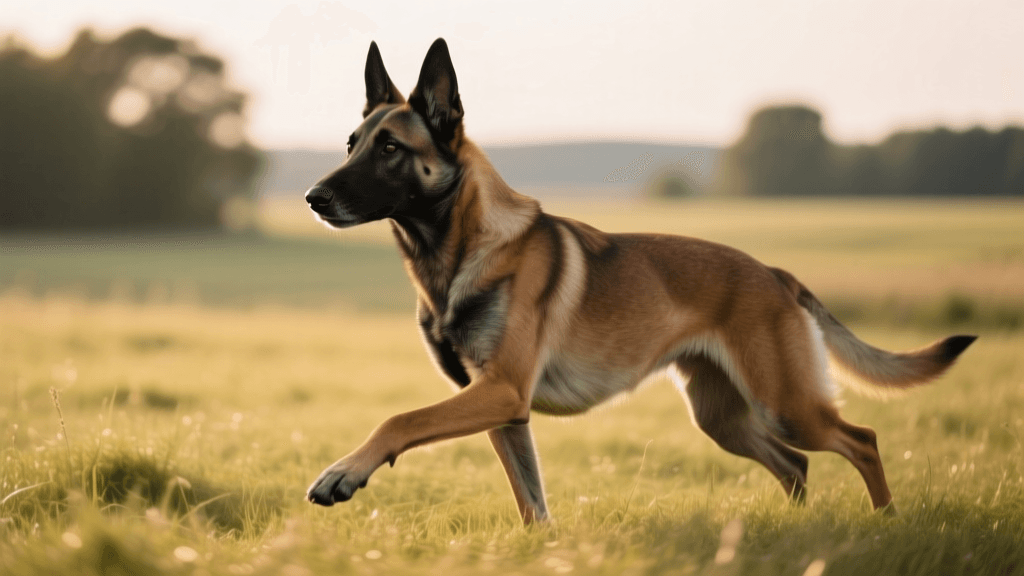
The Belgian Malinois is arguably one of the most misunderstood breeds in the modern canine world. Often colloquially referred to as a 'Maligator' or a 'German Shepherd on espresso,' this breed possesses a psychological makeup and neurological wiring that is entirely unique. While their physical prowess is well-documented in military and police circles, the everyday owner often struggles to decode the intense mental drive of the Malinois. Understanding this breed requires looking past their impressive bite work and agility, diving deep into the psychology of canine drive, hyper-vigilance, and the absolute necessity of structured enrichment.
The Psychology of 'Drive' vs. 'Aggression'
One of the most common misconceptions about the Belgian Malinois is that their intense reactivity is rooted in aggression. In reality, it is rooted in 'drive.' According to the American Kennel Club (AKC), the Malinois is a fiercely loyal working dog bred for endurance, herding, and protection. Drive is the internal, dopamine-fueled motivation to perform a task. When a Malinois stares intensely at a moving bicycle, lunges at a squirrel, or grips a tug toy with bone-crushing force, they are not necessarily being aggressive; they are expressing a deeply ingrained prey and work drive that has been selectively bred into them for over a century.
The Neurology of the Working Dog
To truly understand the Malinois, you must understand their neurology. High-drive working dogs possess a highly reactive dopamine system. When they engage in work, training, or play, their brains release massive amounts of dopamine, which acts as a natural stimulant. This is why a Malinois can run for five miles, do thirty minutes of obedience training, and still look at you as if to ask, 'What is next?' Unlike companion breeds that reach a threshold of physical and mental satiation quickly, the Malinois requires intentional 'down-regulation' training to teach their nervous system how to rest.
Actionable Enrichment: Channeling the Energy
Physical exercise alone will never tire out a Belgian Malinois. In fact, merely running a Malinois without mental engagement can create an canine athlete with endless stamina and zero impulse control. The ASPCA's guidelines on canine enrichment emphasize that mental fatigue is just as crucial as physical exercise for preventing behavioral issues. For a Malinois, 15 minutes of intense cognitive work is often more exhausting than an hour of free running.
Here are specific, actionable enrichment strategies and products tailored to the Malinois psychology:
- Flirt Pole Training (Prey Drive Satisfaction): Use a heavy-duty flirt pole like the Outward Hound Tail Teaser (approx. $25). This allows the dog to satisfy their prey drive in a controlled manner. Crucially, you must incorporate 'out' and 'leave it' commands during the game to build impulse control amidst high arousal.
- Cognitive Puzzle Feeding: Ditch the food bowl. Feed their daily kibble through puzzles like the Nina Ottosson Dog Brick ($15) or the Kong Wobbler ($15). This forces the dog to use problem-solving skills, engaging their prefrontal cortex and burning mental energy.
- GPS Tracking and Decompression Walks: Because their herding instincts can lead to wandering or chasing, a secure GPS tracker like the Fi Series 3 Collar ($129 + subscription) is highly recommended. Pair this with a 15-foot long line and a well-fitted harness ($40 total) to allow for safe, unstructured 'sniffaris' in open fields, which lowers cortisol levels.
- Real Dog Tug Work: Tug is a vital bonding and drive-building exercise. Invest in a durable, real-fleece tug toy like the Real Dog Natural Lamb Tug ($30). Use tug as a high-value reward for obedience rather than just a free-play toy.
Daily Schedule and Exercise Requirements
A Malinois thrives on predictability and purpose. A chaotic household creates a chaotic, hyper-vigilant dog. Below is a structured daily regimen designed to balance physical exertion, mental stimulation, and mandatory rest periods for an adult, healthy Belgian Malinois.
| Time | Activity | Psychological Purpose | Recommended Gear / Est. Cost |
|---|---|---|---|
| 6:00 AM | Structured Scent Walk | Environmental processing, mental fatigue, cortisol reduction | 15ft Long Line & Harness ($40) |
| 8:00 AM | Puzzle Feeding (Breakfast) | Problem-solving, dopamine regulation | Nina Ottosson Dog Brick ($15) |
| 12:00 PM | Mid-Day 'Place' Command Rest | Nervous system down-regulation, enforcing the 'off-switch' | Raised Kuranda Cot ($120) |
| 4:00 PM | Flirt Pole & Impulse Control | Prey drive satisfaction, obedience under high arousal | Outward Hound Tail Teaser ($25) |
| 6:30 PM | Advanced Obedience / Scent Work | Working drive fulfillment, handler bonding | Scent work essential oil kit ($20) |
| 8:00 PM | Kong Wobbler (Dinner) | Independent foraging, winding down for the evening | Kong Wobbler ($15) |
Common Behavioral Pitfalls and How to Avoid Them
When a Malinois does not receive appropriate outlets for their drive, their psychology turns inward, often resulting in severe behavioral pathologies. Understanding these pitfalls is the first step in preventing them.
Hyper-Vigilance and Compulsive Behaviors
Because they were bred to be hyper-aware of their environment to protect flocks and later, human handlers, Malinois are prone to hyper-vigilance. In a suburban home, this can manifest as obsessive barking at windows, shadow-chasing, or tail-biting. The American College of Veterinary Behaviorists (ACVB) notes that compulsive disorders in herding and guarding breeds often stem from a combination of high genetic drive, environmental stress, and a lack of predictable routine. If your Malinois begins staring at shadows or spinning in circles, it is not a 'quirky' behavior; it is a canine manifestation of obsessive-compulsive disorder (OCD) triggered by an under-stimulated but highly aroused brain.
Teaching the 'Off-Switch'
The most vital skill you can teach a Belgian Malinois is how to do absolutely nothing. This is achieved through a protocol known as 'Capturing Calmness.' Keep a jar of high-value treats (like freeze-dried beef liver) in your living room. Whenever your dog voluntarily chooses to lie down on their mat, sigh, and relax without being prompted, quietly walk over and drop a treat between their paws. Do not speak excitedly. Reward the state of calm. Over weeks and months, the dog learns that turning off their internal motor is a highly rewarded, profitable behavior.
Conclusion
Living with a Belgian Malinois is not merely about owning a dog; it is about taking on a working partner. Their psychology is a complex web of high prey drive, intense handler focus, and an unyielding need for a job. By shifting your perspective from simply 'tiring them out' to intentionally 'fulfilling their drive,' you can prevent the behavioral pitfalls that plague this breed. Through structured enrichment, neurological down-regulation, and a deep respect for their working heritage, the Malinois transforms from a chaotic force of nature into an unparalleled, balanced, and deeply devoted companion.
priya-sutaria
All our authors care for dogs every day — read more of their work on the authors page.