The Ultimate Puppy-Proofing Checklist For New Owners
Discover the ultimate room-by-room puppy-proofing checklist. Learn essential safety tips, product recommendations, and costs to protect your new pup.

Why Puppy-Proofing is a Non-Negotiable Step
Bringing a new puppy home is one of the most exciting milestones in a dog owner's life. However, the first year of a puppy's life is marked by intense curiosity, rapid developmental milestones, and a natural instinct to explore the world through their mouths. This behavior peaks during the teething phase, which typically occurs between 3 and 6 months of age. Without a properly prepared home environment, your adorable new companion can quickly turn everyday household items into severe choking hazards, toxic threats, or expensive casualties.
Puppy-proofing is not just about hiding your favorite shoes; it is a critical safety measure that can prevent thousands of dollars in emergency veterinary bills and potential heartbreak. According to the American Kennel Club (AKC), treating your home as if a human toddler is about to move in is the best baseline for preparing your space. This comprehensive, room-by-room guide will walk you through the exact measurements, product recommendations, and actionable steps required to create a safe, enriching environment for your growing pup.
The Kitchen: Securing the Heart of the Home
The kitchen is arguably the most dangerous room for an inquisitive puppy. Between dropped food, accessible trash, and harsh cleaning chemicals, the hazards are abundant.
Food and Trash Hazards
Many common human foods are highly toxic to dogs. Grapes, raisins, onions, garlic, macadamia nuts, and anything containing xylitol (often found in sugar-free gum and certain peanut butters) must be kept in high, closed cabinets. Furthermore, puppies are natural scavengers. A standard open-top trash can is an invitation for a gastrointestinal blockage or toxic ingestion.
- Action Step: Invest in a heavy-duty, step-pedal trash can with a secure latch lid. Brands like Simplehuman offer models that prevent dogs from nudging the lid open.
- Estimated Cost: $60 to $120.
- Measurement Tip: Ensure the can is at least 26 inches tall so a growing medium-to-large breed puppy cannot reach the rim.
Cabinet Security
Puppies can easily learn to nudge open lower cabinets with their noses or paws, gaining access to bleach, dishwasher pods, and floor cleaners.
- Action Step: Install magnetic cabinet locks on all lower kitchen and pantry cabinets. These are invisible from the outside and require a magnetic key to open.
- Estimated Cost: $20 to $30 for a pack of 6-8 locks.
The Living Room: Managing Cords, Plants, and Small Items
The living room is where your puppy will spend most of their waking hours socializing and playing. It is also full of subtle dangers.
Electrical Cords and Wires
Chewing on live electrical cords can result in severe oral burns, electrocution, or even fatal pulmonary edema. During the teething phase, the texture of rubber cords is highly appealing to puppies.
- Action Step: Bundle loose wires and encase them in split loom tubing or rigid PVC cord concealers. You can purchase adhesive cord channels to run TV and lamp wires safely along baseboards.
- Estimated Cost: $15 to $25 for a 50-foot spool of 1/2-inch diameter split loom tubing.
Houseplants
Many popular houseplants are highly toxic to canines. Sago palms, lilies, aloe vera, and pothos can cause symptoms ranging from severe gastrointestinal upset to acute liver failure. Always cross-reference your greenery with the ASPCA Animal Poison Control's Toxic and Non-Toxic Plants list before bringing a puppy home. Move all toxic plants to high, unreachable shelves or rehome them entirely.
Small Objects and Remote Controls
Coins, buttons, children's toys, and remote controls are frequent culprits in puppy intestinal blockages. Implement a strict 'floor sweep' routine every evening to ensure all small items are placed in closed bins or on high tables.
The Bathroom: Medications and Water Hazards
Bathrooms present unique risks, primarily related to human medications and water sources.
- Medications: Never leave vitamins, pain relievers, or prescriptions on the bathroom counter. Puppies can easily chew through plastic pill bottles. Store all medications in high cabinets or a locked medicine box.
- Toilet Water: Puppies often view the toilet as a giant water bowl. However, toilet water harbors bacteria and may contain residual cleaning chemicals like bleach tablets. Rule: Keep the toilet lid closed at all times, or install a childproof toilet lid lock (approx. $10).
- Bath Mats and Sponges: Fluffy bath mats and loofahs are easily shredded and swallowed, leading to surgical emergencies. Roll up bath mats when not in use.
The Bedroom: Laundry and Under-Bed Dangers
Your bedroom smells like you, making it a highly attractive nesting area for your puppy. However, this comfort comes with risks.
Laundry and Shoes
Puppies love the scent of their owners, which makes dirty socks and underwear prime targets for chewing. Swallowed fabric can create a linear foreign body in the intestines, requiring life-saving surgery.
- Action Step: Use a hard plastic hamper with a secure, latching lid. Avoid open wicker baskets or fabric hampers that can be pulled over or chewed through.
- Shoe Storage: Keep all footwear inside a closed closet or on a shoe rack at least 24 inches off the ground.
Under the Bed
The space beneath your bed can accumulate dust bunnies, lost pills, hair ties, and small jewelry. Block access to the space under your bed using under-bed blockers or by storing large plastic bins in the gap.
The Garage and Laundry Room: Lethal Chemicals
If your puppy has access to the garage or laundry room, you must exercise extreme vigilance.
- Antifreeze: Traditional antifreeze contains ethylene glycol, which has a sweet taste that attracts dogs but is lethally toxic, causing rapid kidney failure. Clean up any spills immediately and consider switching to a propylene glycol-based antifreeze, which is significantly safer for pets.
- Rodenticides and Fertilizers: Rat poison and lawn chemicals must be stored in locked metal cabinets. Never use rodenticides in areas where your puppy can roam.
- Laundry Pods: Liquid laundry packets look remarkably like chew toys and are highly concentrated. Store them in high, locked cabinets, never in open baskets on the floor.
The Backyard: Fencing and Landscaping
Your yard should be a safe haven for potty training and burning off energy, but it requires a thorough perimeter check.
- Fence Gaps: Walk your entire fence line. Puppies can squeeze through surprisingly small spaces. Any gap wider than 2 inches must be patched. If your puppy is a digger, bury galvanized chicken wire 12 inches deep along the fence line to prevent escape.
- Toxic Landscaping: Check your outdoor garden for oleander, foxglove, azaleas, and cocoa mulch, all of which are toxic to dogs.
- Pool Safety: If you have a swimming pool, install a secure pool fence. Never leave a puppy unattended near water, and actively teach them where the pool steps are located so they know how to exit if they fall in.
Essential Puppy-Proofing Products & Costs
To help you budget for your home preparation, here is a structured breakdown of the most effective puppy-proofing products on the market.
| Product Category | Primary Purpose | Estimated Cost | Recommended Specifications |
|---|---|---|---|
| Hardware-Mounted Baby Gate | Block stairs and hazardous rooms | $45 - $80 | 28-42 inch width, 30+ inch height, metal construction |
| Split Loom Tubing | Protect electrical cords from chewing | $15 - $25 | 1/2 inch diameter, flexible polyethylene |
| Magnetic Cabinet Locks | Secure cleaning supplies and trash | $20 - $35 | Invisible magnetic release, adhesive or screw mount |
| Heavy-Duty Step Trash Can | Prevent food foraging and toxicity | $60 - $120 | 13+ gallon capacity, fingerprint-resistant steel |
| Metal Exercise Pen (X-Pen) | Create a safe, contained puppy zone | $40 - $90 | 36 inch height (small/med), 42 inch height (large) |
| Bitter Apple Deterrent Spray | Discourage chewing on furniture legs | $10 - $15 | Non-toxic, alcohol-free formula |
Setting Up a Safe 'Puppy Zone'
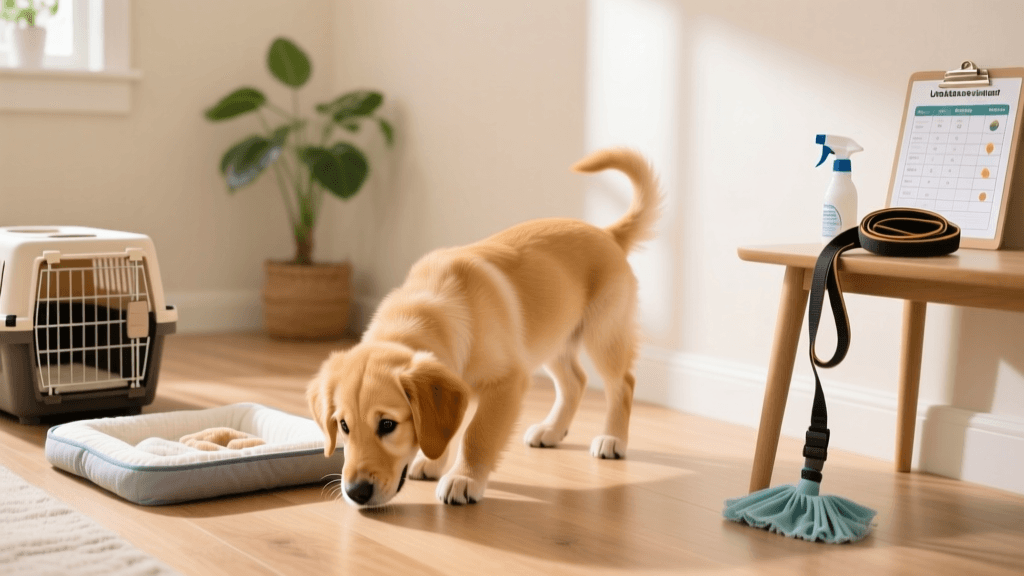
Even with a fully proofed home, a puppy cannot be given free roam of the house on day one. You must establish a designated 'Puppy Zone' using a metal exercise pen or a playpen. This area should be located in a high-traffic room like the living room so the puppy does not feel isolated.
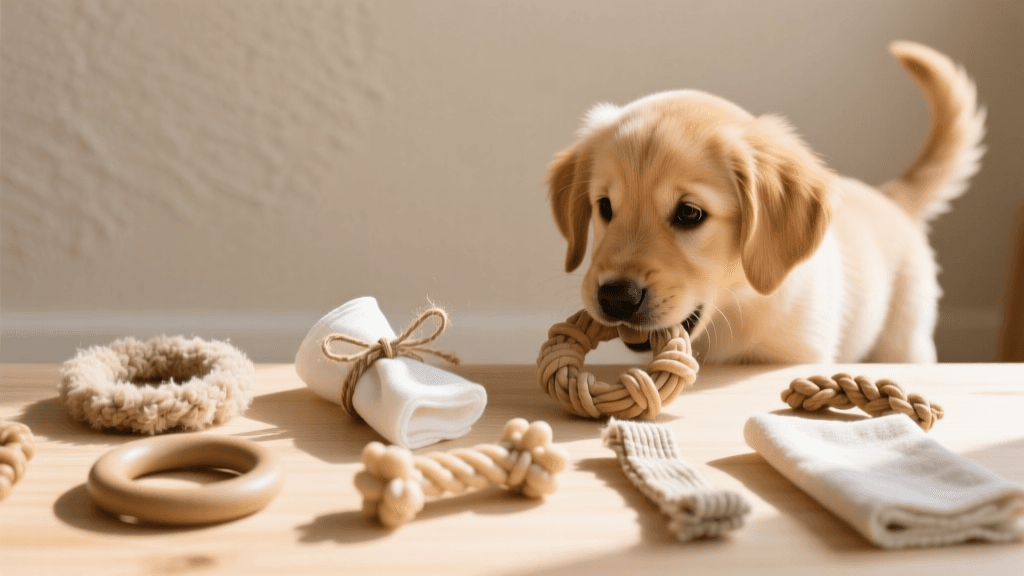
Inside this zone, include their crate (with the door tied open), a water bowl, and safe chew toys like frozen Kongs or Nylabones. This zone serves as a management tool when you cannot actively supervise the puppy, such as when you are cooking, showering, or working from home. It prevents them from practicing bad habits and keeps them safe from household hazards when your eyes are off them.
Conclusion
Puppy-proofing your home is an ongoing process that evolves as your dog grows, learns, and develops new physical capabilities. A hazard that is out of reach for an 8-week-old Labrador might be easily accessible by the time they are 6 months old. By taking the time to systematically secure your kitchen, living spaces, bathrooms, and yard, you are not just protecting your belongings—you are safeguarding your puppy's health and ensuring a smooth, stress-free transition into their forever home. Stay vigilant, supervise closely, and enjoy the incredible journey of your puppy's first year.
marcus-aldridge
All our authors care for dogs every day — read more of their work on the authors page.