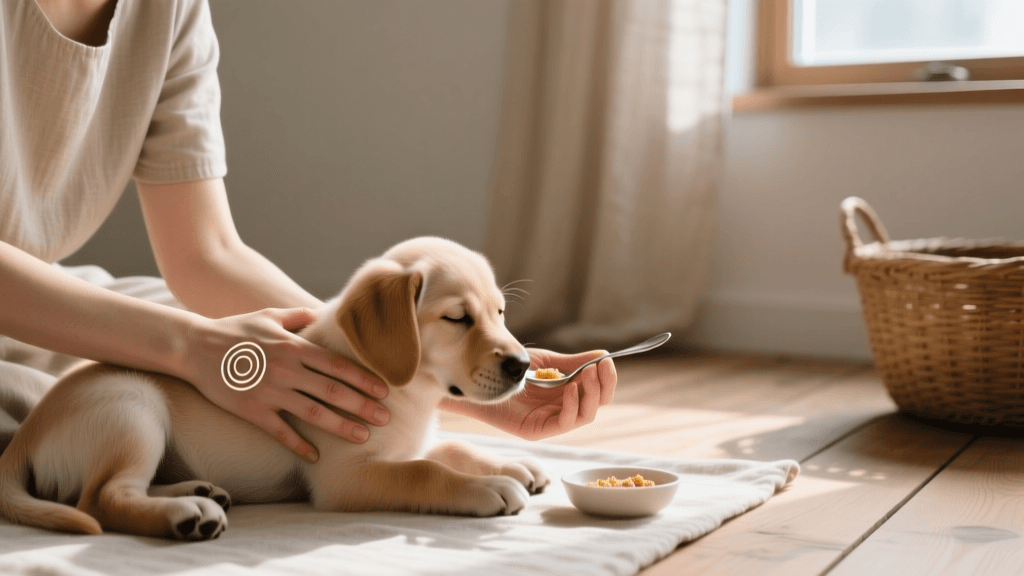
2026 Guide: TTouch Puppy Massage & Hand-Feeding Bonding Routines
Discover 2026 techniques for TTouch puppy massage and hand-feeding routines to build deep trust, reduce anxiety, and strengthen your bond.
Introduction to Puppy Bonding in 2026
Welcoming a new puppy into your home is one of life's most rewarding experiences, but building a deep, unbreakable bond requires intentional effort. As of 2026, veterinary behaviorists and canine psychologists overwhelmingly emphasize force-free, science-backed methods for early relationship building. The first year of a puppy's life is a critical window for socialization, trust-building, and neurological development. Among the most effective techniques championed by experts today are Tellington TTouch (TTouch) massage and structured hand-feeding routines.
Unlike traditional obedience training, which focuses on commands and compliance, these bonding exercises focus on mutual communication, tactile comfort, and resource-based trust. This comprehensive guide will walk you through the exact protocols, 2026 market recommendations, and daily schedules you need to foster a confident, deeply connected companion.
The Science of Canine-Human Bonding
When you engage in gentle tactile contact and hand-feeding with your puppy, both of your brains release oxytocin—often called the "love hormone." This neurochemical response lowers cortisol (the stress hormone) and creates a positive feedback loop of trust. According to the ASPCA Puppy Care Guidelines, early positive associations with human hands are vital for preventing resource guarding and fear-based aggression later in life.
In 2026, the shift away from aversive tools and toward cooperative care means that bonding is no longer just a "nice-to-have"; it is a foundational pillar of behavioral health. Puppies that undergo structured bonding routines during their first six months show significantly lower rates of separation anxiety and reactivity.
The Power of Hand-Feeding for Trust and Impulse Control
Hand-feeding is the practice of giving your puppy their daily kibble or meals directly from your hands rather than a bowl. This transforms you from a mere "food provider" into an interactive, rewarding partner. The American Kennel Club (AKC) highly recommends hand-feeding for building focus, teaching bite inhibition, and establishing a strong bond, especially with high-energy or easily distracted breeds.
Step-by-Step Hand-Feeding Protocol
- Measure the Daily Ration: Calculate your puppy's daily caloric needs based on their 2026 breed-specific growth charts. For a medium-breed puppy, this is typically 1.5 to 2 cups of high-quality kibble per day.
- Use High-Value Upgrades: While kibble forms the base, mix in freeze-dried liver or Zuke's Mini Naturals (retailing around $15.99 per pouch in 2026) to increase engagement.
- The "Say Please" Sit: Before offering a piece of kibble, wait for your puppy to offer a sit or make eye contact. This teaches impulse control without the need for verbal commands.
- Gentle Taking: If the puppy's teeth scrape your skin, immediately close your fist and withdraw your hand for three seconds. This teaches bite inhibition naturally.
"Hand-feeding turns every meal into a training and bonding session. It teaches the puppy that human hands bring good things, effectively neutralizing the root causes of resource guarding."
Introducing Tellington TTouch (TTouch) Massage
Developed by Linda Tellington-Jones, TTouch is a specialized method of bodywork that uses specific, mindful touch to influence the nervous system. Unlike deep tissue massage, TTouch involves gentle, circular movements of the skin that stimulate cellular intelligence and promote deep relaxation. The Tellington TTouch Official Method outlines how these micro-movements can help puppies overcome fear periods, ease teething discomfort, and build profound physical trust.
Core TTouch Techniques for Puppies
- Clouded Leopard: Using the pads of your fingers, gently move the skin in a full, one-and-a-quarter circle. Imagine your hand is resting on a cloud. This is excellent for general relaxation and is best performed along the puppy's back and shoulders.
- Lying Leopard: Similar to the Clouded Leopard, but you rest the back of your hand against the puppy's body, using your knuckles to gently move the skin. This is ideal for sensitive areas like the belly or near the hips.
- Ear Work: Gently sliding your fingers from the base of the ear to the tip. This technique is known to rapidly lower heart rates and is incredibly soothing for puppies experiencing overstimulation or teething pain.
Reading Your Puppy's Body Language
Bonding requires consent. In 2026, modern canine science stresses the importance of observing "calming signals" and stress indicators. During TTouch or hand-feeding sessions, watch for the following:
- Signs of Relaxation (Green Light): Soft, squinty eyes; leaning into your touch; slow, deep breathing; relaxed, floppy ears.
- Signs of Stress (Red Light): Lip licking, yawning when not tired, "whale eye" (showing the whites of the eyes), stiffening of the body, or sudden scratching. If you see these, stop the session, give the puppy space, and try again later with lighter pressure or higher-value treats.
7-Day Bonding and Routine Chart
Consistency is key during the first year. Below is a structured weekly schedule designed to integrate hand-feeding and TTouch into your daily routine without overwhelming your puppy.
| Day | Morning Routine (15 Mins) | Evening Routine (20 Mins) | Focus Area |
|---|---|---|---|
| Monday | Hand-feed breakfast kibble; practice eye contact. | Clouded Leopard TTouch on back and shoulders. | Impulse Control & Back Relaxation |
| Tuesday | Hand-feed in a new room to build environmental confidence. | Gentle Ear Work and Lying Leopard on the chest. | Adaptability & Nervous System Calming |
| Wednesday | Scatter 1/2 cup of kibble in a snuffle mat (scent bonding). | Clouded Leopard down the spine to the tail base. | Scent Engagement & Spinal Awareness |
| Thursday | Hand-feed using a KONG Puppy Teething Stick for chewing. | Paw TTouch (gentle circles on the pads and toes). | Bite Inhibition & Handling Sensitivity |
| Friday | Hand-feed during a slow, sniff-heavy outdoor walk. | Full body Lying Leopard; focus on the belly. | Outdoor Focus & Vulnerability Trust |
| Saturday | Hand-feed mixed with freeze-dried treats for recall practice. | Ear Work combined with gentle neck circles. | Recall Bonding & Tension Release |
| Sunday | Free-feeding from a bowl (to prevent food obsession). | Rest day; passive cuddling and gentle petting only. | Decompression & Rest |
Navigating Developmental Milestones and Fear Periods
During your puppy's first year, they will go through distinct developmental stages that can temporarily disrupt your bonding progress. Understanding these milestones will help you adjust your TTouch and hand-feeding routines appropriately.
The Teething Phase (Months 3 to 6)
As adult teeth push through the gums, puppies experience significant oral discomfort. They may become mouthy or refuse hard kibble during hand-feeding sessions. 2026 Tip: Soak their kibble in warm, low-sodium bone broth for 10 minutes before hand-feeding. Use chilled rubber teething toys to massage their gums before attempting TTouch Ear Work, which can help soothe the connected nerve pathways in the head and jaw.
The Second Fear Period (Months 8 to 11)
Many owners are blindsided when their previously confident puppy suddenly becomes terrified of familiar objects, loud noises, or even strangers. During this window, avoid forcing socialization. Rely heavily on TTouch "Clouded Leopard" circles to ground your puppy's nervous system when they exhibit fear. Use hand-feeding to create positive associations with the environment, but never force them closer to a fear trigger than they are comfortable with.
Conclusion: A Lifetime of Trust
Bonding with your puppy is not a one-time event; it is a daily practice of communication, respect, and mutual reward. By integrating Tellington TTouch massage and structured hand-feeding into your 2026 puppy care regimen, you are doing far more than teaching obedience. You are wiring your puppy's brain for resilience, emotional regulation, and a lifelong, unwavering trust in you. Start slowly, observe their body language, and enjoy the profound journey of growing together.
marcus-aldridge
All our authors care for dogs every day — read more of their work on the authors page.