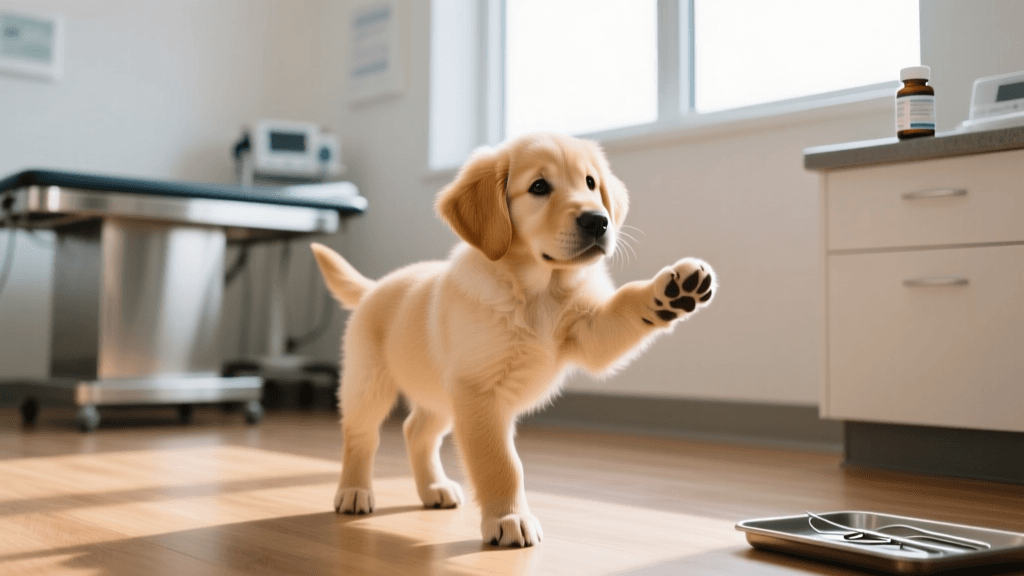
Puppy Osteoarthritis Treatment: 2026 Joint Care Guide
Discover 2026 veterinary protocols for treating early-onset puppy osteoarthritis, including joint supplements, safe NSAIDs, and surgical interventions.
Understanding Early-Onset Osteoarthritis in Puppies
When most pet owners hear the term "osteoarthritis" (OA), they immediately picture senior dogs struggling with stiff joints. However, juvenile-onset osteoarthritis is a significant and often overlooked reality in puppy care. In 2026, veterinary orthopedic specialists emphasize that early cartilage degradation in puppies is almost always secondary to Developmental Orthopedic Diseases (DOD). Conditions such as canine hip dysplasia, elbow dysplasia, osteochondritis dissecans (OCD), and Legg-Calvé-Perthes disease cause abnormal joint mechanics during a puppy's rapid growth phases. This abnormal friction triggers an inflammatory cascade, leading to early-onset osteoarthritis well before the dog reaches its first birthday.
Treating osteoarthritis in a growing puppy requires a radically different approach than treating an adult dog. Because a puppy's skeletal system is still developing, certain medications and surgical interventions must be carefully timed. The 2026 consensus among veterinary orthopedic surgeons focuses on a multimodal approach: slowing joint degradation, managing pain without stunting growth, and optimizing the puppy's environment to prevent irreversible structural damage.
Recognizing the Signs of Juvenile Joint Pain
Puppies are notoriously resilient and often mask their pain through sheer enthusiasm. Recognizing early-onset OA requires keen observation of your puppy's daily movements and play habits. Key clinical signs in puppies under 12 months include:
- The "Bunny Hop" Gait: Using both hind legs simultaneously while running, rather than alternating them.
- Reluctance to Navigate Stairs: Hesitation or whining when asked to climb stairs or jump into a vehicle.
- Morning Stiffness: Visible limping that improves after a few minutes of light movement but worsens after heavy play.
- Asymmetrical Muscle Development: Noticeable muscle wasting in the thighs of one or both hind legs, paired with overdevelopment of the shoulder muscles as the puppy shifts its weight forward.
- Behavioral Shifts: A sudden disinterest in playing with other dogs, unprovoked aggression when touched near the hips, or excessive licking of specific joints.
If you observe any of these signs, immediate consultation with a veterinarian is critical. According to the American College of Veterinary Surgeons, early diagnosis of developmental joint issues dramatically improves the long-term prognosis and expands the window for minimally invasive surgical corrections.
2026 Veterinary Treatment Protocols for Puppies
The treatment landscape for juvenile osteoarthritis has evolved significantly. In 2026, veterinarians rely on a combination of Disease-Modifying Osteoarthritis Drugs (DMOADs), targeted nutraceuticals, and strictly regulated pain management.
Disease-Modifying Osteoarthritis Drugs (DMOADs)
Polysulfated glycosaminoglycans (PSGAGs), commonly known by the brand name Adequan, remain a cornerstone of puppy OA treatment. Administered via intramuscular injection, PSGAGs inhibit the enzymes that break down cartilage while stimulating the synthesis of new joint fluid. Unlike oral supplements, injectable DMOADs bypass the digestive tract, ensuring high bioavailability in growing joints. A standard 2026 loading dose protocol involves twice-weekly injections for four weeks, followed by a monthly maintenance dose tailored to the puppy's weight and response.
Puppy-Safe Pain Management
Managing pain in a growing skeleton is delicate. While Non-Steroidal Anti-Inflammatory Drugs (NSAIDs) like carprofen and meloxicam are standard for adult dogs, their long-term use in puppies under six months is approached with caution due to potential impacts on developing growth plates and renal systems. In 2026, veterinary guidelines recommend using NSAIDs only in short, targeted bursts during acute flare-ups. For daily chronic pain management, veterinarians are increasingly turning to multimodal pain therapies, including veterinary acupuncture, canine massage therapy, and low-level laser therapy (LLLT), which reduce inflammation without systemic side effects.
Early Surgical Interventions
When osteoarthritis is driven by severe hip dysplasia, early surgical intervention can alter the course of the disease entirely. Procedures like Juvenile Pubic Symphysiodesis (JPS) can be performed on puppies as young as 16 to 20 weeks old. By fusing a specific pelvic growth plate, JPS alters the angle of the hip socket as the puppy grows, creating a deeper, more stable joint and significantly delaying or preventing severe OA. For slightly older puppies (typically 5 to 8 months), a Triple Pelvic Osteotomy (TPO) may be recommended to rotate the hip socket over the femoral head. The Orthopedic Foundation for Animals provides extensive databases and breeder resources to help identify genetic predispositions to these conditions before a puppy is even brought home.
Nutritional and Environmental Management
You cannot out-medicate a poor diet or a hazardous environment. Nutritional management is arguably the most critical factor in treating juvenile osteoarthritis.
The Role of Large Breed Puppy Nutrition
For large and giant breed puppies, rapid growth is the enemy of healthy joints. In 2026, board-certified veterinary nutritionists strictly recommend feeding large breed puppies diets formulated to meet the specific calcium and phosphorus ratios required to prevent developmental bone diseases. The calcium content on a dry matter basis should not exceed 1.2%. Furthermore, maintaining a lean body condition score (BCS of 4/9) is non-negotiable. Every extra pound of body fat places exponential mechanical stress on dysplastic joints and releases pro-inflammatory adipokines that accelerate cartilage breakdown.
Targeted Nutraceuticals
High-quality Omega-3 fatty acids (specifically EPA and DHA derived from wild-caught fish oil) are scientifically proven to down-regulate inflammatory pathways in osteoarthritic joints. When combined with undenatured type II collagen (UC-II) or green-lipped mussel extract, these supplements provide a robust, non-pharmaceutical foundation for joint health. Always consult your veterinarian before introducing supplements, as excessive calcium or vitamin D supplementation can actually trigger developmental orthopedic diseases.
Modifying the Puppy Environment
Puppies with early-onset OA need an environment that supports their mobility without encouraging high-impact trauma. Slippery hardwood or tile floors are disastrous for dysplastic hips, as the constant micro-slipping strains the joint capsule. Covering primary walking paths with interlocking foam mats or area rugs provides necessary traction. Additionally, investing in an orthopedic memory foam bed designed specifically for puppies ensures that their joints are properly supported during the 18-20 hours a day they spend sleeping, preventing morning stiffness and pressure sores.
The Role of Canine Rehabilitation and Hydrotherapy
Physical therapy is no longer just for post-operative recovery; it is a frontline treatment for juvenile OA. In 2026, certified canine rehabilitation practitioners utilize underwater treadmills and warm-water hydrotherapy pools to help puppies build crucial supporting musculature. The buoyancy of the water unloads the affected joints, allowing the puppy to walk with a full range of motion without experiencing pain or impact trauma. Strengthening the gluteal and quadriceps muscles creates a "muscular brace" that stabilizes loose joints, significantly reducing the day-to-day friction that causes osteoarthritis to progress. Weekly hydrotherapy sessions, combined with at-home therapeutic exercises like balance discs and cavaletti rails, are highly recommended for puppies showing early signs of joint laxity.
Comparison of 2026 Puppy Joint Therapies
The following table outlines the primary therapeutic options for managing early-onset osteoarthritis in puppies, including their mechanisms and estimated costs as of 2026.
| Therapy Type | Mechanism of Action | Ideal Puppy Age | Estimated 2026 Cost |
|---|---|---|---|
| Juvenile Pubic Symphysiodesis (JPS) | Alters pelvic growth plate to deepen hip socket | 16 - 20 Weeks | $1,500 - $2,500 |
| Adequan (PSGAG) Injections | Inhibits cartilage-degrading enzymes; boosts synovial fluid | 3 Months+ | $60 - $90 per vial |
| Canine Hydrotherapy | Builds supporting muscle mass without joint impact | 4 Months+ (Post-vaccination) | $80 - $120 per session |
| EPA/DHA Omega-3 Therapy | Down-regulates systemic joint inflammation | 8 Weeks+ | $30 - $50 per month |
| Triple Pelvic Osteotomy (TPO) | Surgically rotates hip socket for better femoral coverage | 5 - 8 Months | $3,500 - $5,500 |
Long-Term Prognosis and Monitoring
Managing juvenile osteoarthritis is a marathon, not a sprint. Puppies diagnosed with early-onset OA require bi-annual orthopedic evaluations throughout their first year to monitor joint laxity, muscle mass, and pain levels. As the puppy transitions into adulthood, the treatment protocol will naturally shift. While the cartilage damage incurred during puppyhood cannot be reversed, modern 2026 veterinary interventions can successfully halt the progression of the disease, allowing many dogs to live active, pain-free, and fulfilling lives.
For comprehensive information on genetic screening and developmental orthopedic conditions, resources provided by the Cornell University College of Veterinary Medicine are invaluable for new puppy owners navigating these complex diagnoses. By combining early medical intervention, strict nutritional control, and environmental modifications, you can give your puppy the best possible foundation for lifelong mobility.
aaron-whyte
All our authors care for dogs every day — read more of their work on the authors page.