Separation Anxiety vs Isolation Distress in Dogs: 2026 Guide
Learn the psychological differences between canine separation anxiety and isolation distress, plus 2026 tech and behavioral protocols to help your dog cope.
The Hidden Psychology of Alone Time: Separation Anxiety vs. Isolation Distress
As we navigate the complex landscape of canine psychology in 2026, veterinary behaviorists are increasingly highlighting a critical distinction that many dog owners miss: the difference between true separation anxiety and isolation distress. While the symptoms—destructive chewing, excessive vocalization, inappropriate elimination, and frantic escape attempts—look nearly identical on a smart pet camera, the underlying psychological triggers are vastly different. Misdiagnosing the root cause of your dog's panic can lead to months of failed training protocols and unnecessary stress for both you and your pet.
Understanding the 'why' behind your dog's behavior is the cornerstone of the 'Understanding Your Dog' philosophy. According to leading canine behavior experts, including those at the Malena DeMartini Institute, true separation anxiety is a hyper-attachment to a specific individual. In contrast, isolation distress is a generalized fear of being alone, regardless of who has left the room. By pinpointing which condition your dog suffers from, you can leverage modern 2026 behavioral protocols and smart technology to create a customized, effective treatment plan.
Diagnostic Protocols: How to Tell the Difference in 2026
Before investing in expensive calming supplements or hiring a private trainer, you must accurately diagnose your dog's specific distress type. In 2026, the integration of AI-driven pet cameras, such as the Furbo 4 Pro with its advanced emotion and activity tracking, has made at-home diagnostics more accessible than ever. However, technology is only as good as the tests you run. Here are the two primary diagnostic tests recommended by the ASPCA to differentiate between the two conditions.
1. The Alternate Caregiver Test
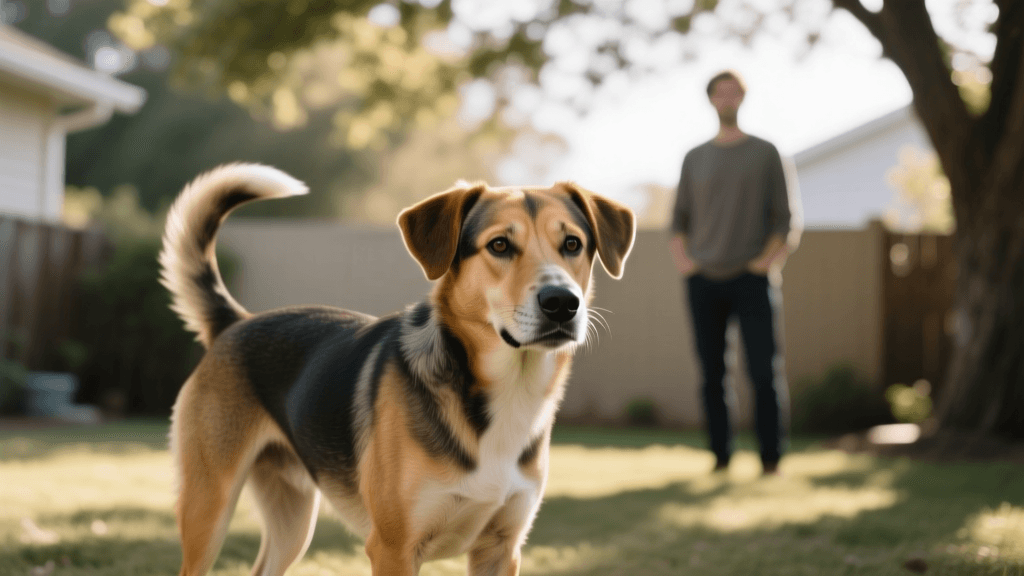
Leave your dog with a trusted friend, a professional pet sitter, or a family member whom the dog likes but is not hyper-attached to. If your dog settles down, plays with toys, and rests while you are gone, but panics when that specific person leaves the room later, you are likely dealing with isolation distress. If the dog panics the moment you walk out the door, even while the trusted friend is sitting right next to them offering high-value treats, you are dealing with true separation anxiety.
2. The Departure Cue Desensitization Observation
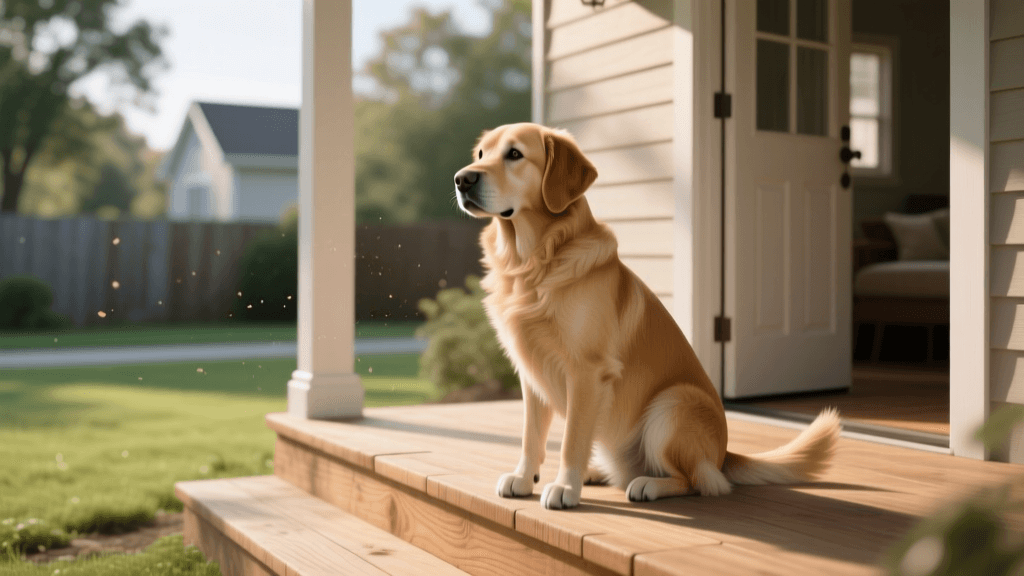
Dogs with true separation anxiety often begin to panic during 'pre-departure cues'—the subtle rituals you perform before leaving. Using your smart camera's motion and sound alerts, observe your dog when you pick up your keys, put on your coat, or lace up your shoes, but then sit back down on the couch. A dog with separation anxiety will show immediate spikes in cortisol-driven behaviors (panting, pacing, whining) at these cues. A dog with mere isolation distress usually remains relaxed until the actual physical separation occurs and the door clicks shut.
Side-by-Side Comparison: Separation Anxiety vs. Isolation Distress
| Behavioral Metric | True Separation Anxiety (SA) | Isolation Distress (ID) |
|---|---|---|
| Primary Trigger | Absence of one specific attachment figure. | Being completely alone (absence of any human/dog). |
| Response to Pet Sitter | Panic persists even if a sitter is present. | Panic subsides once a sitter arrives and engages. |
| Pre-Departure Cues | High reactivity to keys, shoes, and coats. | Low reactivity until the door actually closes. |
| Shadowing Behavior | Velcro dog; follows the specific person everywhere. | Follows anyone who is home; seeks general company. |
| 2026 Treatment Focus | Systematic desensitization to the specific person. | Building independence and general alone-time stamina. |
2026 Behavioral Interventions for Isolation Distress
If your dog has been diagnosed with isolation distress, the prognosis is generally excellent. The goal is to teach your dog that being alone is safe, predictable, and even rewarding. The American Kennel Club (AKC) emphasizes that building 'alone-time stamina' must be done in micro-increments.
Graduated Departure Training
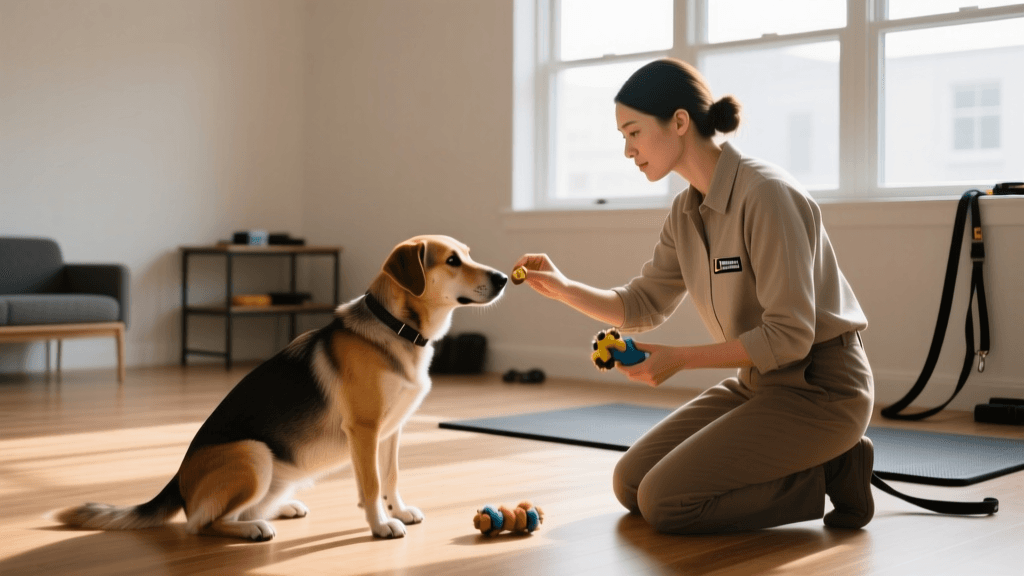
Start by leaving your dog in a safe, dog-proofed room or a comfortable playpen for just 5 seconds. Step out, close the door, and immediately return before the dog can vocalize or pace. Gradually increase the time: 10 seconds, 30 seconds, 1 minute, 5 minutes. If your dog shows signs of stress, you have increased the duration too quickly. Drop back to a shorter time where the dog was successful. In 2026, trainers recommend using automated treat-dispensing cameras like the Petcube Bites 3 Lite to drop a high-value reward exactly at the 4-second mark of a 5-second absence, creating a positive association with the closed door.
Environmental Enrichment and Auditory Masking
Isolation distress is often exacerbated by the eerie silence of an empty house, which amplifies startling outdoor noises. Utilize bioacoustic sound therapy, such as the iCalmDog 5.0 portable speaker, which plays clinically tested, psychoacoustically designed classical music proven to lower canine heart rates. Pair this auditory masking with long-lasting enrichment items. Freeze a Kong Wobbler stuffed with a mixture of plain Greek yogurt, pumpkin puree, and kibble. The act of licking and chewing releases endorphins in the canine brain, naturally soothing the nervous system during your absence.
Targeted Treatments for True Separation Anxiety
True separation anxiety is a clinical panic disorder. It is not a result of poor obedience, spite, or a lack of exercise. Treating it requires a multi-modal approach that often involves veterinary intervention alongside rigorous behavioral modification.
Pharmacological Support
Because a dog in a state of true separation anxiety is experiencing a full-blown panic attack, their brain is flooded with stress hormones, making them incapable of learning or forming new positive associations. In 2026, veterinary behaviorists frequently prescribe SSRIs (Selective Serotonin Reuptake Inhibitors) like fluoxetine or clomipramine as a foundational step. These medications do not 'sedate' the dog; rather, they lower the baseline anxiety threshold, allowing the dog's brain to become receptive to behavioral training. Always consult a board-certified veterinary behaviorist to determine if medication is appropriate for your pet.
Systematic Desensitization to the Attachment Figure
The core protocol for SA involves completely dismantling the dog's predictive triggers associated with the specific owner. This means you must practice 'fake departures' hundreds of times without ever actually leaving. Put on your coat, pick up your keys, walk to the door, and then sit down and read a book. Do this until the dog no longer reacts to the coat and keys. Once the pre-departure cues are neutralized, you can begin the micro-departure protocol mentioned above, but it must be done exclusively by the specific person the dog is hyper-attached to. Hiring a dog walker to exercise the dog before you leave is also crucial, as physical fatigue can slightly lower the intensity of the initial panic response, giving your training a better chance to take root.
The Pitfalls of Smart Tech in Alone Time Training
While 2026's smart home ecosystem offers incredible tools for monitoring our pets, it can inadvertently worsen separation anxiety if used incorrectly. A common mistake owners make is using two-way audio to talk to their dog through the camera when they see the dog pacing or barking on the app. For a dog with true separation anxiety, hearing your voice without being able to find you or touch you can induce severe cognitive dissonance and escalate the panic. It creates a 'ghost' that the dog frantically searches for, increasing frustration.
Instead, use the cameras strictly for data collection and silent treat-tossing during calm moments. If your dog is resting quietly on their mat, toss a treat to reinforce the calm behavior. If the dog is actively panicking, do not use the audio feature, do not toss a treat (which can be interpreted as a reward for panicking), and do not rush home immediately, as this reinforces the cycle of panic leading to your return. Wait for a brief moment of relative quiet before re-entering the home.
Conclusion: Patience and Professional Guidance
Whether your dog is battling isolation distress or true separation anxiety, the journey to a peaceful alone-time routine requires immense patience, consistency, and empathy. By leveraging the diagnostic tests outlined above, utilizing 2026's advanced monitoring technology responsibly, and committing to gradual, science-based behavioral protocols, you can help your dog overcome their fear. Remember, you are not just training your dog to be quiet; you are rewiring their emotional response to solitude, transforming a place of panic into a sanctuary of rest. If you find yourself struggling, do not hesitate to seek out a certified separation anxiety trainer (CSAT) or a veterinary behaviorist to guide you and your dog toward a calmer, happier life.
jonas-cole
All our authors care for dogs every day — read more of their work on the authors page.