Step-by-Step Guide to Training Your Dog for Tooth Brushing
Learn how to train your dog to accept tooth brushing with this step-by-step guide. Protect their dental health and prevent periodontal disease today.
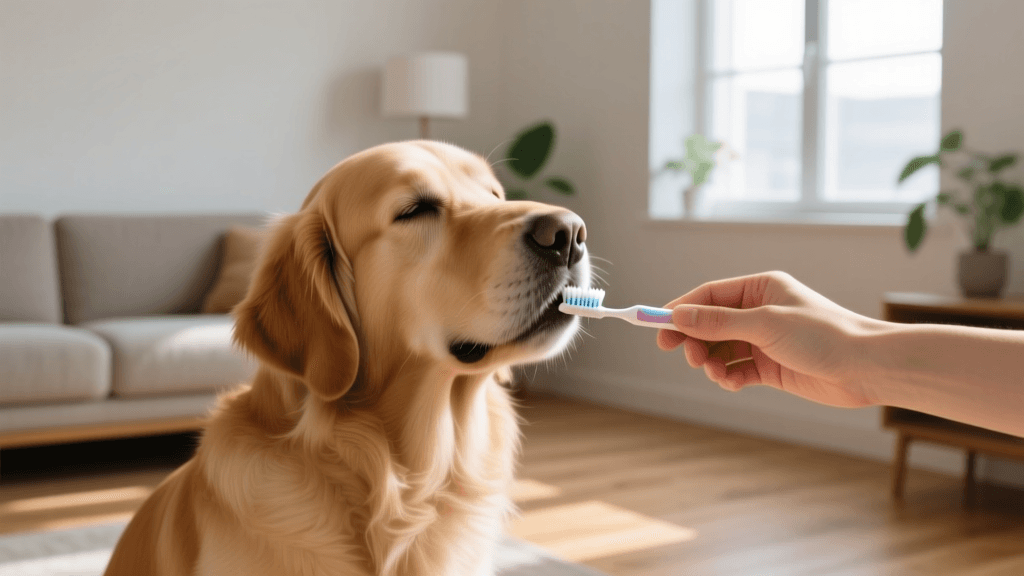
The Hidden Epidemic: Canine Periodontal Disease
When we think about our dogs' health, we often focus on diet, exercise, and joint care. However, one of the most critical—and frequently overlooked—aspects of canine wellbeing is dental health. According to the American Veterinary Medical Association (AVMA), periodontal disease is the most common clinical condition occurring in adult dogs. By the age of three, the vast majority of dogs have some evidence of gum inflammation, plaque buildup, or early-stage tooth decay.
Left untreated, oral bacteria do not just cause bad breath and tooth loss; they enter the bloodstream and can cause severe, irreversible damage to major organs, including the heart, liver, and kidneys. Daily tooth brushing is the gold standard of preventive care. Yet, many dog owners avoid it because their dogs panic, snap, or simply refuse to cooperate. The solution is not physical restraint, but rather a systematic, step-by-step training protocol rooted in cooperative care.
The Philosophy of Cooperative Care
Cooperative care is a Fear-Free training methodology that teaches dogs to voluntarily participate in their own husbandry and medical care. Instead of pinning your dog down—which spikes cortisol levels, creates negative associations, and risks micro-traumas to the gums from a struggling dog—we break the brushing process down into micro-steps. By using high-value rewards and desensitization, we change the dog's emotional response from fear to anticipation. This step-by-step guide will take approximately three to four weeks to complete, requiring only 3 to 5 minutes of training per day.
Gathering Your Dental Care Supplies
Before beginning the training protocol, you must assemble the correct tools. Using the wrong equipment can cause pain or even toxicity. Below is a breakdown of the essential supplies, including specific product recommendations and estimated costs.
| Supply Item | Recommended Brand / Type | Estimated Cost | Purpose |
|---|---|---|---|
| Enzymatic Toothpaste | Virbac C.E.T. or Petrodex (Poultry or Beef flavor) | $10 - $15 | Breaks down plaque biofilm enzymatically without needing aggressive scrubbing. |
| Dual-Head Toothbrush | Virbac Dual-Head or Pet Dentist Finger Brush | $5 - $8 | Reaches the gumline and cleans multiple teeth simultaneously. |
| High-Value Reward Paste | Xylitol-Free Peanut Butter or Cream Cheese | $4 - $6 | Used as a 'jackpot' reward during the initial desensitization phases. |
| Non-Slip Mat | Rubber grooming mat or yoga mat | $15 - $20 | Provides secure footing so the dog feels physically stable during handling. |
Critical Toxicity Warning
Never, under any circumstances, use human toothpaste on a dog. Human toothpastes often contain fluoride, which causes severe gastrointestinal upset when swallowed. More dangerously, many human toothpastes are sweetened with xylitol, an artificial sweetener that is highly toxic to dogs. Even microscopic amounts of xylitol can trigger a rapid, life-threatening drop in blood sugar (hypoglycemia) and acute liver failure.
Phase 1: Taste Desensitization (Days 1–5)
The goal of Phase 1 is to teach your dog that the toothpaste is a high-value treat, not a precursor to an uncomfortable procedure.
- The Setup: Sit on the floor with your dog in a quiet room. Place a pea-sized amount of enzymatic toothpaste on your index finger.
- The Action: Offer your finger to your dog. Let them lick the toothpaste off freely. Do not attempt to touch their teeth or gums.
- The Reward: As soon as they finish licking, offer verbal praise and a secondary treat (like a small piece of boiled chicken).
- Frequency: Repeat this 2 to 3 times a day for five days. By the end of this phase, your dog should show visible excitement (tail wagging, lip licking) when they see the toothpaste tube.
Phase 2: Muzzle Handling and Lip Lifting (Days 6–10)
Now that the toothpaste is a positive trigger, we introduce gentle handling to the muzzle and lips.
- The Setup: Put a small dab of toothpaste on your finger. Let your dog lick it off.
- The Action: While they are licking, use your other hand to gently lift their upper lip for just one second to expose the canine teeth. Immediately release the lip and feed a jackpot reward (a larger portion of chicken or peanut butter).
- Progression: Gradually increase the duration of the lip lift from one second to three seconds. Once they tolerate the upper lip, gently run your finger along the outside of their cheek teeth (premolars and molars) without opening their mouth.
- Consent Test: Always watch for calming signals. If your dog pulls away, freezes, or shows 'whale eye' (showing the whites of their eyes), you have moved too fast. Drop your hand, give them a treat, and try again with a shorter duration.
Phase 3: Introducing the Tool (Days 11–15)
Dogs are often more sensitive to the texture of a brush than the act of handling. We must desensitize them to the bristles.
- The Setup: Apply toothpaste to the bristles of your chosen dual-head toothbrush or finger brush.
- The Action: Allow your dog to lick the toothpaste directly off the brush. This familiarizes them with the hard plastic handle and the texture of the bristles against their tongue and lips.
- Targeting: Once they are comfortable licking the brush, gently touch the bristles to the outside of their closed lips. Reward heavily.
- Progression: Lift the lip and gently press the bristles against the flat surface of the canine teeth for one second, then remove and reward. Do not attempt a brushing motion yet.
Phase 4: The Brushing Technique (Days 16 and Beyond)
Once your dog willingly accepts the brush against their teeth, you can begin the actual brushing technique. Proper biomechanics are essential for removing plaque from the subgingival sulcus (the pocket between the gum and the tooth).
The 45-Degree Angle Method
- Positioning: Stand or kneel beside your dog, facing the same direction they are. This prevents you from looming over them, which can be intimidating.
- Angle: Hold the brush at a 45-degree angle to the tooth surface so the bristles point slightly upward under the gumline.
- Motion: Use gentle, small circular motions. Focus primarily on the outside (buccal) surfaces of the teeth, as this is where plaque accumulates most rapidly and where periodontal disease typically begins. The dog's tongue naturally helps keep the inside surfaces relatively clean.
- Timing: Aim for a total brushing time of 60 to 120 seconds. Spend about 2 to 3 seconds per tooth group.
Tool Comparison Chart
| Brush Type | Best For | Pros | Cons |
|---|---|---|---|
| Finger Brush (Silicone) | Puppies, small breeds, highly sensitive dogs | Excellent tactile feedback; less intimidating; easy to maneuver. | Harder to reach deep into the subgingival sulcus; owner's finger is at risk of accidental bites. |
| Dual-Head Bristle Brush | Adult dogs, medium to large breeds | Cleans inside and outside surfaces simultaneously; bristles reach below the gumline effectively. | Requires more desensitization; bulky for very small mouths (e.g., Chihuahuas). |
Troubleshooting Common Training Hurdles
Even with careful step-by-step training, you may encounter setbacks. Here is how to handle the most common issues:
- The Dog Clamps Their Mouth Shut: Do not pry the jaw open. Prying causes resistance and potential jaw pain. Instead, go back to Phase 2. Smear a tiny bit of peanut butter on the outside of their lips to encourage them to lick and naturally open their mouth.
- The Dog Bites the Brush: Biting is often a sign of teething discomfort in puppies or a misunderstanding that the brush is a chew toy. Switch to a silicone finger brush temporarily, and ensure you are using a calming, low-pitched voice rather than an excited, high-pitched tone that might trigger play-biting.
- Bleeding Gums: If you see a small amount of pink-tinged saliva, do not panic. Inflamed gums (gingivitis) bleed easily when first brushed. Continue brushing gently daily; as the plaque is removed and the gums heal, the bleeding should stop within 7 to 10 days. If bleeding is heavy or persists beyond two weeks, stop brushing and consult your veterinarian.
When to Seek Professional Veterinary Dental Care
Home brushing is a preventive measure, not a cure for existing disease. If your dog already has hardened tartar (calculus)—which looks like brown or yellow cement on the teeth—toothbrush bristles will not remove it. Attempting to scrape tartar off at home with metal tools is incredibly dangerous and can damage the tooth enamel or stab the gums.
According to the American Veterinary Dental College (AVDC), professional dental scaling and polishing must be performed by a veterinarian under general anesthesia to safely clean below the gumline and take dental radiographs. Furthermore, the American Kennel Club (AKC) recommends scheduling a professional veterinary dental exam at least once a year to catch hidden issues like tooth resorption, root abscesses, or oral tumors that are impossible to see during a routine home brushing session.
Conclusion: Building a Lifelong Habit
Training your dog to accept tooth brushing is an investment of time that yields massive dividends for their overall health and longevity. By respecting your dog's boundaries, utilizing high-value rewards, and following this step-by-step cooperative care guide, you transform a dreaded chore into a bonding experience. Remember that consistency is key: brushing for two minutes every single day is vastly superior to brushing for ten minutes once a month. Start today, be patient, and give your dog the gift of a pain-free, healthy smile for life.
robin-maitland
All our authors care for dogs every day — read more of their work on the authors page.