Best Puppy Breeds for Remote Workers in 2026: Top 5 Picks
Discover the best puppy breeds for remote workers in 2026. Find quiet, adaptable WFH companions that thrive in your home office environment.
The Rise of the Home Office Dog in 2026
As hybrid and fully remote work models solidify in 2026, the home office has become a permanent fixture for millions of professionals. For dog lovers, this shift presents a unique opportunity: the chance to raise a puppy while working from home. However, not all puppies are created equal when it comes to sharing a workspace. A high-energy herding breed might view your pacing during a brainstorming session as an invitation to play, while a vocal hound could ruin a crucial client presentation.
Choosing the right breed is about matching a dog's natural temperament with the realities of your daily schedule. Remote workers need companions who are content to snooze under a desk, adaptable to mid-day potty breaks, and relatively quiet during video conferences. In this guide, we explore the best puppy breeds for remote workers, helping you find the perfect co-pilot for your professional and personal life.
What Makes a Breed WFH-Friendly?
Before diving into specific breeds, it is important to understand the traits that make a dog well-suited for a home office environment. When evaluating puppies, look for the following characteristics:
- Low to Moderate Energy: While all puppies require play and exercise, WFH-friendly breeds do not demand hours of intense physical stimulation during the workday.
- Low Vocalization: Breeds that are less prone to alarm barking or howling will save you from awkward interruptions during virtual meetings.
- Independence: A puppy that can entertain themselves with a chew toy or comfortably nap in your peripheral vision is ideal.
- Adaptability: Dogs that adjust well to the sounds of typing, phone calls, and delivery drivers without becoming stressed.
Top 5 Puppy Breeds for Remote Workers
1. Cavalier King Charles Spaniel
The Cavalier King Charles Spaniel is widely considered the ultimate lap dog, making them a premier choice for remote workers. Known for their gentle, affectionate nature, Cavaliers are incredibly attuned to their owners' emotions. If you are stressed over a deadline, your Cavalier is likely to quietly rest their head on your foot to offer comfort.
According to the American Kennel Club, Cavaliers are highly adaptable and do well in both apartments and houses. They require moderate exercise—a brisk morning walk and a mid-day game of fetch in the yard are usually sufficient. During work hours, they are perfectly content to sleep on an orthopedic bed beneath your standing desk. Their lack of excessive barking makes them excellent colleagues for Zoom-heavy roles.
2. Bichon Frise
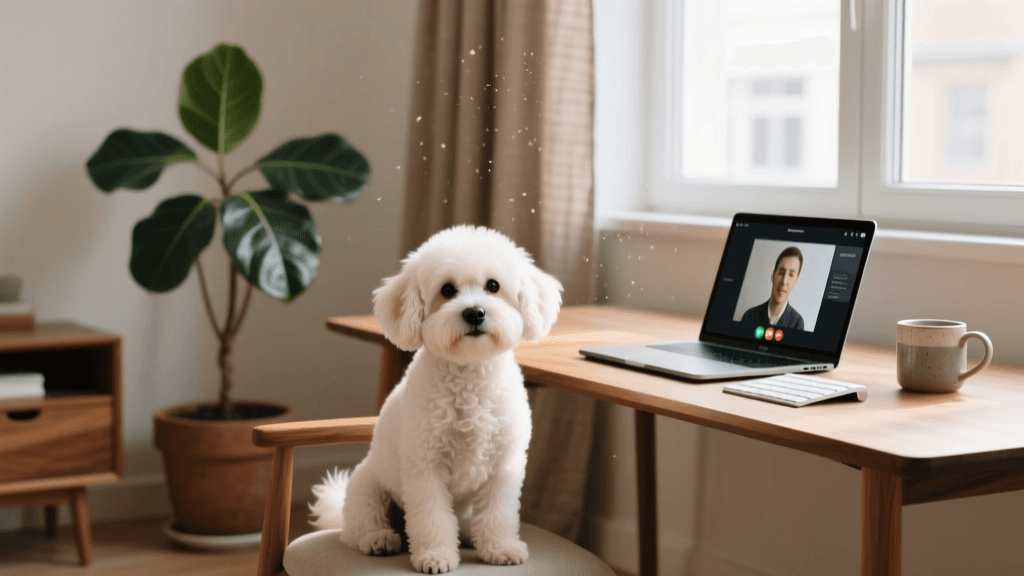
If you want a cheerful, hypoallergenic companion, the Bichon Frise is a fantastic option. Their powder-puff coat sheds minimally, which is a major plus for keeping your home office clean and allergen-free. Bichons are known for their playful yet manageable energy levels. They love to perform tricks, which can be a fun, stress-relieving activity during your lunch break.
While they are social dogs, Bichons can be trained to settle down in a designated 'office zone.' They respond exceptionally well to positive reinforcement training, making it easy to teach them the 'place' command so they stay on their mat during important calls. Keep in mind that their coat requires professional grooming every four to six weeks, so factor that into your monthly budget and schedule.
3. Shih Tzu
Bred specifically for companionship, the Shih Tzu is a low-energy breed that thrives on simply being near their human. Unlike working breeds that need a 'job' to do, a Shih Tzu's only job is to be your friend. They are remarkably quiet dogs, rarely barking without a very good reason, which is a massive advantage for remote workers in shared living spaces or apartments with thin walls.
Shih Tzus require minimal outdoor exercise. A short walk around the block and some indoor play are enough to keep them healthy and happy. They are highly portable, meaning if you decide to work from a local coffee shop or a co-working space that allows pets, your Shih Tzu will easily fit into a pet carrier and nap quietly by your side.
4. Basset Hound
For those who prefer a larger dog but still want a relaxed home office vibe, the Basset Hound is a surprisingly excellent choice. Famous for their droopy eyes and incredible sense of smell, Bassets are notoriously laid-back. Once they have had their morning sniff-walk to satisfy their olfactory needs, they are essentially professional nappers.
Basset Hounds are generally quiet indoors, though they can be vocal if left outside alone for long periods. Inside the home office, they will happily claim a large, plush dog bed in the corner of the room. They are incredibly patient and sturdy, making them great companions if you have children who occasionally interrupt your workday. Note that their short legs and long backs mean you should provide a ramp if they are allowed on your office sofa.
5. Italian Greyhound
The Italian Greyhound is a sleek, elegant, and deeply affectionate breed that forms intense bonds with their owners. They are true 'Velcro dogs' who will want to be in the same room as you at all times. Because they are small and have very low body fat, they love to burrow under blankets. Providing a dedicated, heated pet bed under your desk will keep them happily snoozing through your afternoon spreadsheets.
Italian Greyhounds are sensitive and do not respond well to loud noises or chaotic environments. If your home office is relatively calm, they will flourish. They require short bursts of play and a daily walk, but they are not endurance athletes. Their quiet demeanor and small footprint make them ideal for compact home offices.
WFH Puppy Breed Comparison Chart
To help you make an informed decision, here is a quick comparison of how these breeds stack up against the demands of a remote work lifestyle.
| Breed | Energy Level | Bark Level | Alone Time Tolerance | Grooming Needs |
|---|---|---|---|---|
| Cavalier King Charles Spaniel | Moderate | Low | Low (Needs closeness) | Moderate |
| Bichon Frise | Moderate | Low-Medium | Medium | High |
| Shih Tzu | Low | Low | Medium | High |
| Basset Hound | Low | Low-Medium | High | Low |
| Italian Greyhound | Low-Medium | Low | Low (Velcro dog) | Very Low |
Essential Home Office Gear for Your Puppy
Raising a puppy while working requires the right setup to maintain your productivity and their well-being. In 2026, pet technology has advanced to make this balancing act easier than ever.
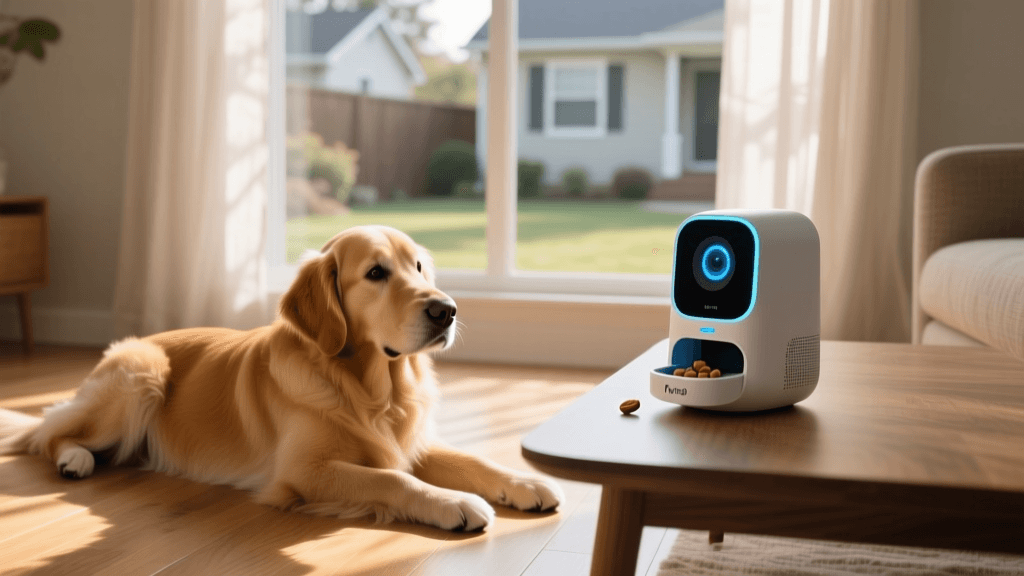
- AI-Enhanced Smart Pet Cameras: Modern pet cameras now feature AI bark detection and automated treat tossing. If your puppy starts to whine during a meeting, you can dispense a treat and use two-way audio to soothe them without leaving your chair.
- Ergonomic Under-Desk Beds: Invest in a low-profile, orthopedic memory foam bed that slides easily under your desk. This gives your puppy a designated 'office spot' that keeps them out of the way of your rolling chair.
- Interactive Puzzle Feeders: To keep your puppy occupied during deep-work sessions, use silent puzzle toys filled with frozen peanut butter or bone broth. This provides mental stimulation without the noise of squeaky toys.
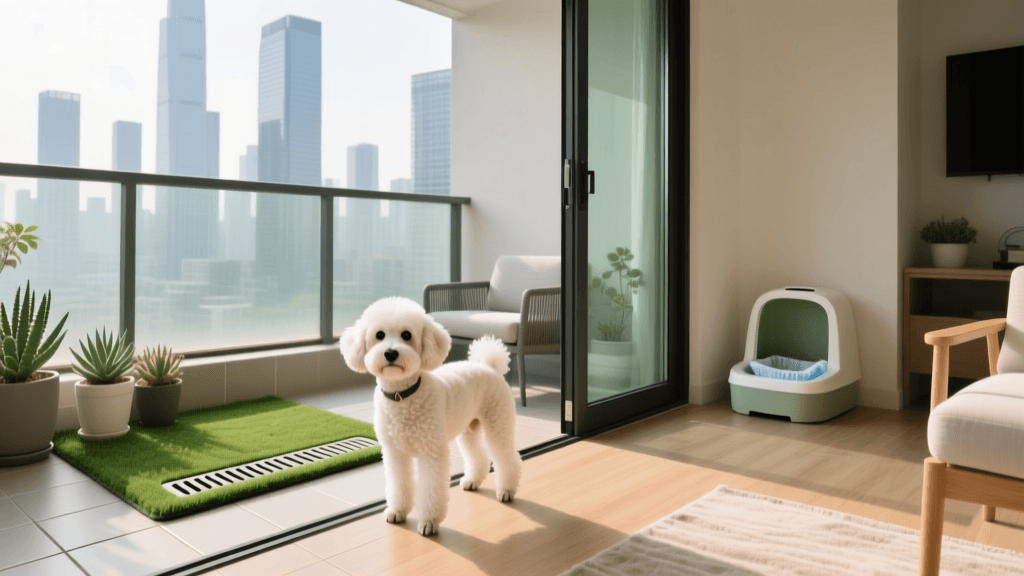
- Indoor Potty Solutions: For apartment dwellers, smart indoor potty systems with UV sanitization and odor control are game-changers, allowing you to manage potty training without rushing outside every hour.
Setting a Schedule: Potty Breaks and Zoom Calls
The ASPCA emphasizes that puppies thrive on routine. When working from home, it is easy to lose track of time, which can lead to potty accidents and a cranky puppy. Block out time on your digital calendar specifically for your dog.
Create a 'Puppy Break' recurring event every two hours. Use this 10-minute window to take your puppy outside for a potty break, engage in a quick training session, or play a game of tug. This not only prevents accidents but also forces you to step away from your screen, reducing eye strain and improving your own mental health.
Pro Tip: Mute your microphone and turn off your camera during scheduled puppy breaks. Let your colleagues know you are stepping away for a 'bio break'—no need to over-explain that you are taking your Basset Hound to the backyard!
Training Your Puppy for Video Conferences
A common challenge for remote workers is the puppy who decides to bark at the delivery driver right as you unmute to speak. Desensitization training is key. Record common household noises—doorbells, sirens, typing, and voices—and play them at a low volume while your puppy is resting. Gradually increase the volume over several weeks, rewarding them with high-value treats for remaining calm.
Additionally, teach a solid 'mat' or 'place' command. Place a comfortable rug or bed just out of the camera's frame. When a meeting starts, direct your puppy to their place and provide a long-lasting chew. Over time, they will associate your video calls with relaxing on their mat and enjoying a treat.
Conclusion
Sharing your home office with a puppy is one of the greatest perks of the modern remote work era. By selecting a breed that aligns with your professional demands—such as the gentle Cavalier, the cheerful Bichon, or the laid-back Basset Hound—you can enjoy the companionship of a dog without sacrificing your productivity. Remember that every puppy requires time, patience, and training, but with the right breed and a structured routine, your new furry co-worker will quickly become the best part of your workday.
priya-sutaria
All our authors care for dogs every day — read more of their work on the authors page.