TikTok Dog Trends: Why Viral Breeds Are A Risky Choice
Discover the truth behind viral TikTok dog breeds. Learn why trending puppies might not fit your lifestyle and how to choose the right dog for you.

The 'TikTok Made Me Get a Dog' Phenomenon
Social media platforms like TikTok and Instagram have fundamentally changed how we discover, research, and ultimately acquire pets. The hashtag #DogTok boasts billions of views, featuring aesthetic apartment tours with French Bulldogs, dramatic Siberian Huskies talking back to their owners, and Belgian Malinois performing jaw-dropping agility routines. While these 15-second clips are undeniably entertaining, they have sparked a dangerous trend: impulse acquisitions based on viral appeal rather than lifestyle compatibility.
When you decide to bring a dog into your home, you are signing up for a 10 to 15-year commitment. Unfortunately, the curated reality of social media rarely shows the 3:00 AM potty breaks, the destroyed baseboards, the expensive veterinary bills, or the intense behavioral training required for high-drive breeds. Before you let an algorithm dictate your next family member, it is crucial to look past the viral trends and understand the hidden realities of owning the internet's most popular dogs.
3 Viral Dog Breeds and the Hidden Realities
1. The Belgian Malinois (The 'Fur Missile')
The Viral Trait: On social media, the Belgian Malinois is often showcased as the ultimate canine athlete. Videos highlight their intense focus, ability to scale walls, and unwavering loyalty, often set to cinematic music.
The Reality: The Malinois is not a standard family pet; they are high-octane working dogs originally bred for herding and protection. They require a minimum of two to three hours of intense physical and mental stimulation every single day. A casual 30-minute walk around the block will result in severe anxiety, destructive behavior, and neurotic tendencies. Furthermore, professional obedience and bite-sport training can cost anywhere from $1,500 to $3,000. If you do not have a structured, active lifestyle, this breed will quickly become unmanageable.
2. The Siberian Husky (The Vocal Escape Artist)
The Viral Trait: Huskies are internet darlings known for their striking blue eyes, dramatic 'talking' back, and goofy, expressive personalities.
The Reality: What makes for a funny video often translates to a frustrating daily reality. Huskies are notoriously vocal, which can lead to noise complaints in apartment complexes or dense suburbs. More importantly, they are elite escape artists with a high prey drive. To safely contain a Husky, you need a minimum 6-foot privacy fence equipped with coyote rollers at the top to prevent them from climbing over. Additionally, their double coat 'blows' twice a year, requiring heavy-duty grooming tools like the Metrovac Air Force Commander high-velocity dryer (retailing around $150) just to manage the shedding.
3. The French Bulldog (The Aesthetic Apartment Dog)
The Viral Trait: Frenchies are the quintessential 'city dog.' They are frequently photographed in designer tote bags, wearing trendy outfits, and snoring adorably on plush dog beds.
The Reality: The French Bulldog's brachycephalic (flat-faced) anatomy makes them highly susceptible to Brachycephalic Obstructive Airway Syndrome (BOAS), heatstroke, and spinal issues. They cannot tolerate rigorous exercise or hot weather. The financial reality of owning a Frenchie is steep; comprehensive pet insurance can average between $80 and $120 per month due to their predisposition to allergies and joint issues. Furthermore, you must invest in a high-quality, front-clip harness like the Ruffwear Front Range to avoid putting any pressure on their fragile tracheas during walks.
Viral Breed Expectations vs. Reality
To help prospective owners visualize the gap between social media perception and actual ownership, here is a comparison chart detailing the realities of trending breeds.
| Breed | Viral Expectation | Daily Reality | Estimated Hidden Costs |
|---|---|---|---|
| Belgian Malinois | Loyal, athletic protector | Requires 2-3 hours of intense daily work | $1,500+ for advanced training |
| Siberian Husky | Goofy, talking companion | Vocal, high prey drive, escape artist | $500+ for fence modifications & grooming tools |
| French Bulldog | Low-energy, aesthetic lap dog | Prone to severe respiratory and skin issues | $100+/month for specialized pet insurance |
| Goldendoodle | Hypoallergenic, easy-going | High grooming needs, prone to matting | $80-$120 per professional grooming session |
The Shelter Surrender Crisis Linked to Social Media
The aftermath of viral dog trends is playing out in animal shelters across the country. According to the ASPCA's shelter intake statistics, approximately 6.3 million companion animals enter U.S. animal shelters nationwide every year. While this number includes cats and other pets, rescue organizations are reporting a specific, heartbreaking influx of 'trendy' breeds and designer mixes.
Many of these dogs are surrendered between the ages of 8 and 18 months. This is the exact window when the 'cute puppy' phase ends, and the dog enters its rebellious teenage stage. Owners who were unprepared for the reality of a Husky's shedding or a Doodle's intense grooming needs simply give up. The Humane Society of the United States strongly advocates for evaluating your daily routine, living space, and financial stability before acquiring a pet, rather than basing your decision on a dog's internet popularity.
How to Choose a Dog Based on Lifestyle, Not Likes
If you are in the market for a new dog, take a step back from your 'For You' page and ask yourself the following practical questions:
- What is my actual daily schedule? Be honest. If you work 9-to-5 and enjoy relaxing on the couch, a high-drive herding breed will make both of you miserable.
- What is my true budget? Factor in high-quality food, routine veterinary care, emergency funds, grooming, and training. A large breed can easily cost $2,000 to $3,000 annually.
- What are my living restrictions? If you rent, check breed and weight restrictions. Many landlords ban Pit Bull mixes, Rottweilers, and German Shepherds, regardless of the dog's actual temperament.
- Am I open to adoption? Shelters and breed-specific rescues are full of wonderful dogs whose previous owners fell victim to impulse buying. Adopting an adult dog (2 years or older) allows you to bypass the destructive puppy phase and adopt a dog whose true personality and energy level are already established. Remember the 3-3-3 rule of rescue decompression: 3 days to decompress, 3 weeks to learn your routine, and 3 months to feel at home.
First-Day Essentials for Your New Companion
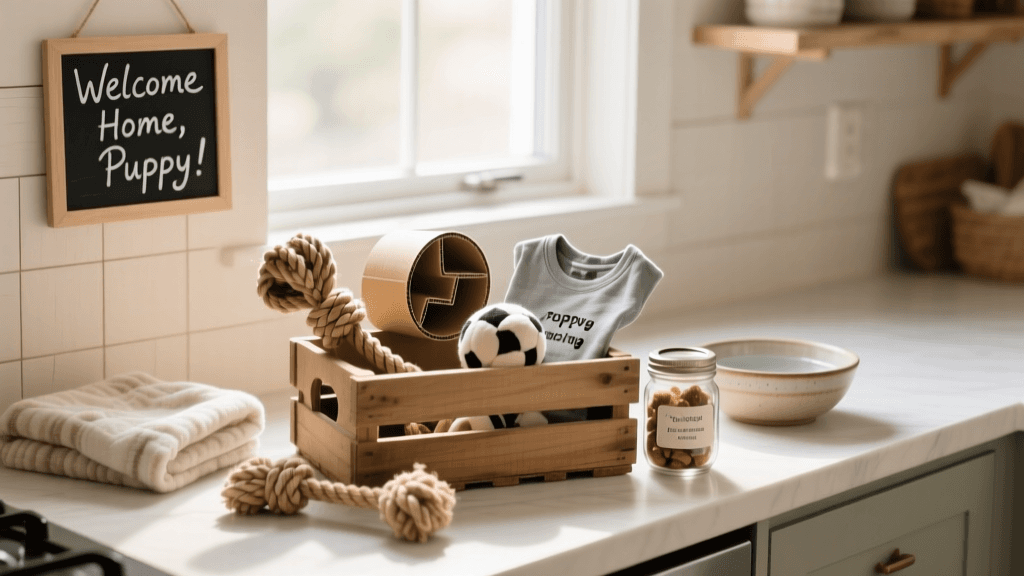
Whether you adopt a senior mixed-breed or purchase a puppy from a reputable breeder, being prepared for day one is critical for a smooth transition. Avoid the panic-buying at the local pet store and have these specific essentials ready in your home:
- The Right Crate: A wire crate like the Midwest iCrate is ideal for house training. If you have a puppy, use the included divider panel so the space is only large enough for them to stand, turn around, and lie down. This prevents them from soiling one corner and sleeping in the other.
- Enzymatic Cleaner: Standard household cleaners will not eliminate the pheromones in dog urine. Stock up on Nature's Miracle Advanced Stain and Odor Eliminator to completely break down biological enzymes and prevent repeat accidents on your rugs and hardwood floors.
- GPS Tracking Collar: For peace of mind, especially with escape-prone breeds or anxious rescue dogs, invest in a GPS-enabled smart collar like the Fi Series 3 or the Whistle Go. These devices track your dog's location via cellular networks and monitor their daily exercise metrics.
- Interactive Chew Toys: Puppies and anxious dogs need an appropriate outlet for their chewing instincts. The classic Kong rubber toy, stuffed with a mixture of plain pumpkin puree and xylitol-free peanut butter, then frozen overnight, provides up to an hour of mental enrichment and soothes teething gums.
- Baby Gates for Decompression: Do not give a new dog free roam of the house on day one. Use hardware-mounted baby gates to restrict them to a single, easily cleanable 'safe room' where their crate, water, and toys are located. This prevents sensory overload and reduces the likelihood of stress-induced chewing.
Final Thoughts: Beyond the Algorithm
A dog is a living, breathing family member, not a prop for social media clout. The viral trends that make us smile on our phones often mask the rigorous demands of responsible dog ownership. By prioritizing your actual lifestyle, budget, and living situation over internet hype, you ensure that your new dog finds a forever home—not just a temporary backdrop for a trending video. Do your research, consult with breed-specific rescues or the American Kennel Club's breed guides, and make a choice that guarantees a lifetime of happiness for both you and your future best friend.
marcus-aldridge
All our authors care for dogs every day — read more of their work on the authors page.