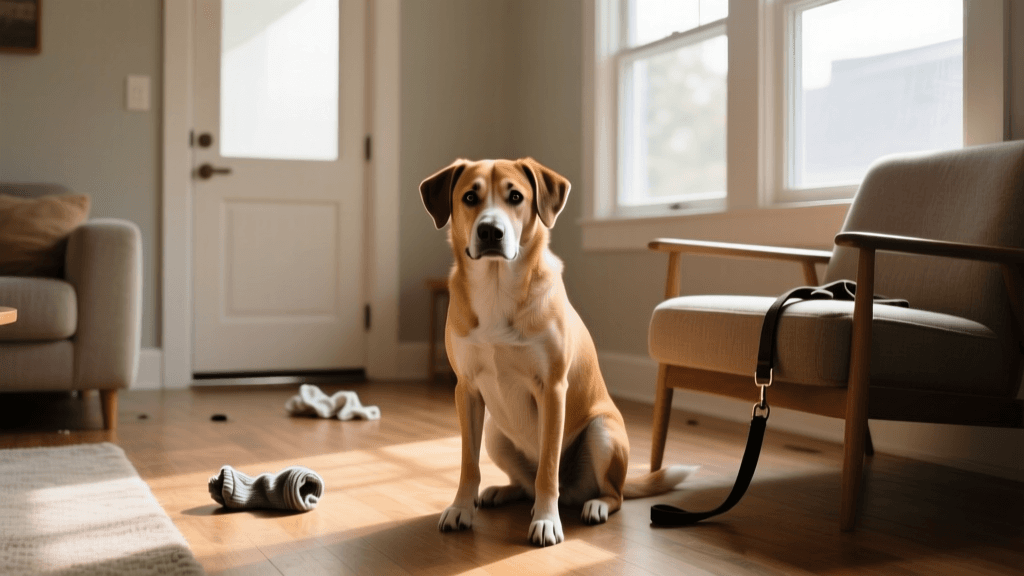
Step-by-Step Guide to Curing Canine Leash Reactivity
Learn the psychology behind canine leash reactivity. Follow our step-by-step counter-conditioning guide to transform your reactive dog into a calm walker.
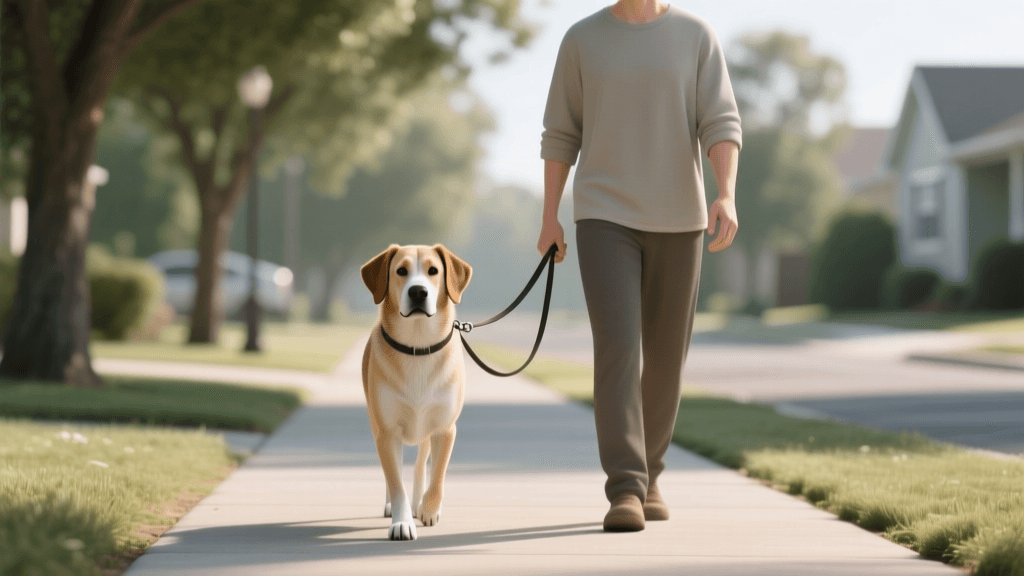
The Psychology Behind Canine Leash Reactivity
Leash reactivity is one of the most common yet profoundly misunderstood behavioral issues in canine psychology. When a dog barks, lunges, or growls at the end of a leash, owners often mislabel the behavior as 'aggression' or 'dominance.' In reality, true aggression is rare; most leash reactivity is rooted in either fear-based anxiety or barrier frustration.
From a psychological standpoint, the leash acts as a physical barrier that restricts a dog's natural 'flight' option in the fight-or-flight response. When an unfamiliar dog, person, or skateboard approaches, a confident, off-leash dog might choose to create distance. A leashed dog, however, feels trapped. This perceived lack of escape routes triggers a spike in cortisol and adrenaline, resulting in a preemptive 'fight' display designed to make the trigger go away. Furthermore, 'trigger stacking'—where multiple minor stressors accumulate over a single day—can lower a dog's reactivity threshold, making them explode over stimuli they might otherwise ignore.
According to behavioral experts at the American Kennel Club (AKC), reactivity is often a learned response: the dog barks, the trigger (e.g., another dog) eventually moves on, and the reactive dog learns that barking is an effective tool for creating distance. To cure this, we must rewrite the dog's emotional response through systematic counter-conditioning.
Essential Gear for Reactivity Training
Before beginning your step-by-step training protocol, you must invest in the proper equipment. Standard flat collars or retractable leashes can cause tracheal damage and offer zero control during a reactive outburst. Budget approximately $80 to $100 for the following foundational gear:
- Front-Clip Harness ($35 - $45): A harness like the Ruffwear Front Range or Kurgo Tru-Fit features a D-ring on the chest. When the dog pulls, the front clip gently redirects their momentum back toward you, preventing them from leaning into their opposition reflex.
- 15-Foot Biothane Long Line ($25 - $30): Biothane is waterproof, easy to clean, and doesn't burn your hands. A 15-foot line gives your dog enough slack to decompress and make choices without feeling trapped by a standard 6-foot leash.
- High-Value Treats ($15 - $20): Kibble will not compete with the adrenaline of a reactive episode. Use single-ingredient, high-value rewards like Stella & Chewy's freeze-dried raw beef liver or Zuke's Mini Naturals. Break them into pea-sized pieces for rapid consumption.
- Mechanical Clicker & Treat Pouch ($10 - $15): A Karen Pryor i-Click provides a distinct, consistent auditory marker. Pair this with a hip-mounted treat pouch (like the PetSafe Treat Pouch) to keep your hands free for leash management.
Step-by-Step Counter-Conditioning Protocol
Counter-conditioning changes the dog's underlying emotional response from 'threat' to 'predictor of good things.' This process requires patience, precise timing, and strict management of the dog's environment.
Step 1: Establish the 'Threshold' Distance
Your dog's threshold is the exact distance at which they notice a trigger but remain under their cognitive limit (meaning they can still hear you and eat treats). If your dog is staring hard, freezing, or refusing a treat, you are over threshold. Find a controlled environment, such as a quiet park bench or a friend's fenced yard, where you can observe triggers from 50 to 100 feet away.
Step 2: The 'Engage/Disengage' Game
This game teaches your dog that looking at a trigger yields a reward, rather than an outburst.
- Engage: The moment your dog looks at the trigger (e.g., a distant dog), mark the behavior with a click or a verbal 'Yes!' within a 0.5-second window. This precise timing is critical for the canine brain to associate the visual stimulus with the marker.
- Disengage: Immediately follow the marker with a high-value treat. Initially, your dog may snatch the treat while still staring at the trigger. That is okay.
- The Shift: After several repetitions, your dog will begin to anticipate the treat. They will look at the trigger, and then voluntarily turn their head back to you (disengage) before you even click. When this happens, click the voluntary head turn and reward heavily. You are now rewiring their neuroplasticity.
Step 3: The Emergency U-Turn
Real-world environments are unpredictable. A dog may suddenly round a corner, breaching your safe threshold. Teach an 'Emergency U-Turn' in a sterile environment first. Say 'Let's go!', pivot 180 degrees, pat your leg enthusiastically, and scatter a handful of treats on the ground when your dog follows. This creates a conditioned reflex to flee toward you and engage in sniffing (which naturally lowers a dog's heart rate) when surprised.
Reactivity Troubleshooting and Body Language Chart
Understanding canine body language is vital to preventing a reactive episode before it starts. As noted by the stress-reduction experts at Fear Free Pets, dogs exhibit subtle calming signals long before they bark or lunge. Use the following data chart to assess your dog's emotional state and adjust your training accordingly.
| Trigger Distance | Canine Body Language Signals | Cognitive State | Required Handler Action |
|---|---|---|---|
| Over Threshold (Too Close) | Hard staring, whale eye, raised hackles, closed mouth, freezing, refusing treats. | Operating on adrenaline; learning is neurologically blocked. | Execute Emergency U-Turn immediately. Do not attempt to train or lure. Increase distance. |
| At Threshold (Edge) | Ears pinned back, lip licking, yawning, panting, slow tail wag, takes treats roughly. | Mildly stressed; capable of associative learning but easily pushed over the edge. | Increase rate of reinforcement (treat every 2 seconds). Move further away or use a visual barrier. |
| Under Threshold (Safe) | Loose body posture, soft eyes, open mouth, relaxed ears, voluntarily offers eye contact. | Calm and receptive; prefrontal cortex is engaged and ready for counter-conditioning. | Play Engage/Disengage. Slowly decrease distance by 5 feet if the dog remains relaxed for 3+ minutes. |
The Role of Decompression Walks
A reactive dog cannot heal if they are constantly subjected to stressful walks. While you are actively training, replace one or two daily leash walks with 'decompression walks' or 'sniffaris.' Attach your 15-foot biothane long line to the dog's harness and take them to a quiet, low-traffic field or wooded area.
Allow the dog to dictate the pace and direction. Sniffing is a highly complex cognitive task that mimics foraging; it engages the dog's olfactory bulb and releases dopamine, actively counteracting the cortisol built up from previous stressful encounters. A 20-minute sniffari can be as mentally exhausting—and as beneficial for behavioral rehabilitation—as a 2-mile physical run. Never use this time to practice obedience commands; the sole objective is environmental enrichment and nervous system regulation.
'Patience is not just waiting; it is actively managing the environment so your dog never has to practice the unwanted behavior. Every time your dog reacts, the neural pathway for reactivity is strengthened. Every time you successfully manage the distance, you protect their peace and your progress.'
When to Seek Professional Help
While counter-conditioning is highly effective, severe reactivity—especially cases involving a history of biting, redirected aggression toward the handler, or extreme panic—requires the guidance of a certified professional. If your dog's reactivity is severely impacting your quality of life or posing a safety risk, do not rely solely on internet guides.
Seek out a professional who utilizes force-free, science-based methodologies. You can locate a vetted, certified behavior consultant in your area through the Certification Council for Professional Dog Trainers (CCPDT) directory. A professional will help you read micro-expressions you might miss, provide a safe setup with neutral 'helper dogs,' and offer the emotional support necessary to navigate the often-stressful journey of rehabilitating a reactive dog.
Remember, curing leash reactivity is not an overnight fix. It is a gradual process of building trust, advocating for your dog's boundaries, and consistently proving to them that the world is a safe place when you are holding the other end of the leash.
robin-maitland
All our authors care for dogs every day — read more of their work on the authors page.