Spring Dog Training: Desensitize to Loud Seasonal Triggers
Learn how to use desensitization and counter-conditioning to train your dog to ignore loud spring triggers like lawnmowers, bikes, and thunderstorms.
The Arrival of Spring: New Sights, Sounds, and Reactivity
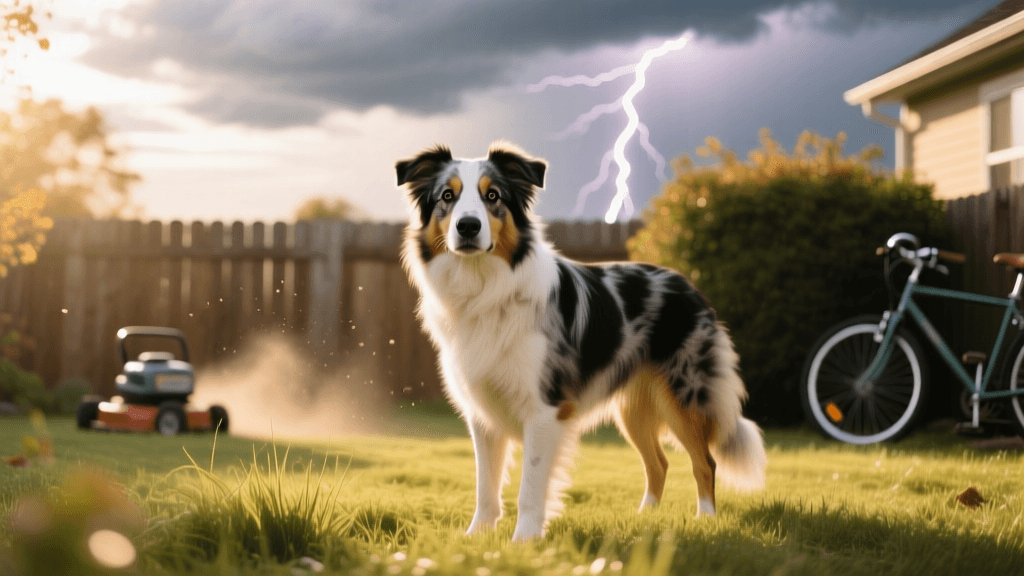
Spring is a season of renewal, blooming flowers, and longer days. However, for dog owners, it also marks the return of seasonal triggers that can turn a peaceful walk into a stressful ordeal. Lawnmowers roaring in suburban neighborhoods, bicycles zooming past on newly cleared trails, and sudden spring thunderstorms can all provoke intense fear, anxiety, or reactivity in our canine companions. As a senior dog trainer, I frequently see an influx of clients in April and May struggling with leash reactivity and noise phobias. The good news? With structured training, you can teach your dog to remain calm and focused amidst these seasonal disruptions.
Understanding Desensitization and Counter-Conditioning (DSCC)
Before diving into specific exercises, it is crucial to understand the psychological framework we use to treat fear and reactivity. According to the ASPCA, Desensitization and Counter-Conditioning (DSCC) is the gold standard for modifying unwanted emotional responses. Desensitization involves exposing your dog to the trigger at a level so low (sub-threshold) that it does not provoke a fearful or reactive response. Counter-conditioning pairs that low-level exposure with something the dog loves, such as high-value food, to change their underlying emotional response from negative to positive.
It is important to note that DSCC is not about forcing your dog to 'tough it out.' If your dog is barking, lunging, or trembling, they are over threshold, and learning cannot occur. Your primary metric for success is your dog's body language. Relaxed ears, a loose wagging tail, and a willingness to take treats gently are indicators that you are at the correct working distance.
Step-by-Step Guide to Lawnmower and Machinery Desensitization
Gas-powered lawnmowers and leaf blowers are notoriously loud and emit strange vibrations that can terrify sensitive dogs. Here is a practical, actionable protocol to help your dog tolerate neighborhood yard work.
Phase 1: Finding the Sub-Threshold Distance
Identify a location where you can observe a lawnmower from a safe distance. For many reactive dogs, this starting distance may be 100 to 150 feet away. If your dog notices the lawnmower but can still eat treats and look back at you, you are at the right distance. If they freeze, bark, or refuse treats, calmly increase the distance by 20 feet until they relax.
Phase 2: The Engage-Disengage Game
This game teaches your dog that looking at a trigger predicts a reward. You will need a clicker or a verbal marker word like 'Yes!', and a pouch filled with high-value, pea-sized treats. I recommend using Stella & Chewy's Freeze-Dried Raw Beef Liver or Zuke's Mini Naturals (costing roughly $15 to $20 per bag), as their strong scent cuts through environmental distractions.
- Engage: The moment your dog looks at the distant lawnmower, mark the behavior with your clicker or 'Yes!' within one second.
- Disengage: Deliver the treat to your dog's mouth. They will naturally turn away from the trigger to eat.
- Repeat: Do this for 5 to 10 minutes. Over time, your dog will begin to voluntarily look at the lawnmower and then immediately look back at you in anticipation of the treat. This is a massive breakthrough in behavioral conditioning.
Managing Noise Aversion: Spring Thunderstorms
Spring showers often bring sudden barometric pressure drops and booming thunder. Noise aversion is a clinical condition that affects a significant portion of the canine population. The American Kennel Club (AKC) notes that thunderstorm phobia can escalate into severe panic, leading to destructive behavior or injury if left unmanaged.
To prepare for spring storms, create a 'safe haven' in an interior room without windows, such as a walk-in closet or a basement. Soundproof this area using heavy blankets and a white noise machine (like the Marpac Dohm, approximately $50) to muffle the sound of thunder. Introduce your dog to this space during calm weather by feeding them their meals and offering long-lasting chews like Bully Sticks or frozen KONG Classic toys stuffed with peanut butter inside the room. When a storm hits, your dog will already associate the space with safety and high-value rewards.
For dogs with mild anxiety, compression garments like the ThunderShirt ($40-$45) can provide soothing, continuous pressure. However, for severe phobias, consult a veterinary behaviorist who may prescribe anti-anxiety medications like Trazodone or Gabapentin to be used in conjunction with your training protocol.
Seasonal Trigger Training Matrix
Use the following table as a quick-reference guide to structure your spring training sessions based on the specific seasonal trigger you are addressing.
| Seasonal Trigger | Starting Distance | Recommended High-Value Treat | Session Duration |
|---|---|---|---|
| Gas Lawnmower | 100 - 150 feet | Freeze-Dried Beef Liver | 5 - 10 minutes |
| Fast-Moving Bicycles | 50 - 75 feet | Boiled Chicken Breast | 10 - 15 minutes |
| Spring Thunderstorms | Interior Safe Room | Frozen KONG w/ Peanut Butter | Duration of storm |
| Landscaping Leaf Blowers | 150+ feet | String Cheese or Hot Dogs | 3 - 5 minutes |
Essential Gear for Spring Reactivity Training
Having the right equipment is critical for maintaining safety and control during outdoor desensitization exercises. Avoid retractable leashes, which offer poor control and can snap under the sudden force of a lunging dog.
- Front-Clip Harness: A harness like the Ruffwear Front Range ($40-$45) features a front chest attachment point that gently redirects your dog's momentum toward you if they pull, making it easier to manage sudden reactions.
- Biothane Long Line: A 15-foot Biothane long line ($30-$40) is waterproof, mud-proof, and provides enough slack for your dog to sniff and decompress while maintaining a safe boundary.
- Treat Pouch: A dedicated treat pouch with a magnetic closure (such as the Ruffwear Treat Trader, $25) allows for rapid treat delivery, which is essential for precise timing during the Engage-Disengage game.
Indoor Alternatives for High-Trigger Days
There will be days in spring when the environmental triggers are simply too intense or unpredictable for outdoor training. On days when neighborhood landscapers are using heavy machinery or severe weather is rolling in, pivot to indoor mental stimulation. Mental fatigue is just as effective as physical exercise in lowering a dog's overall arousal levels.
Invest in a Snuffle Mat ($20-$30) to encourage natural foraging behaviors. Scatter your dog's daily kibble ration into the mat's fabric strips, forcing them to use their nose to hunt for their meal. Alternatively, practice trick training indoors. Teaching complex behaviors like 'spin', 'weave through legs', or 'fetch a specific named toy' engages your dog's prefrontal cortex, building confidence and reinforcing your bond without the stress of outdoor triggers.
Conclusion: Patience and Consistency
Training your dog to navigate the chaotic sights and sounds of spring is a marathon, not a sprint. Behavioral modification requires immense patience, consistency, and a commitment to keeping your dog under their reactivity threshold. By utilizing structured desensitization protocols, managing their environment, and investing in the proper training gear, you can help your dog transition from a state of seasonal panic to one of calm confidence. Remember, if your dog's reactivity poses a danger to themselves or others, always seek the guidance of a certified professional dog trainer or a veterinary behaviorist to ensure a safe and effective rehabilitation process.
tom-renshaw
All our authors care for dogs every day — read more of their work on the authors page.