2026 Sniffari Walk Guide: Building Trust With Long Lines
Discover how 2026 Sniffari decompression walks and biothane long lines reduce canine anxiety, build deep trust, and strengthen your bond through scent work.
The Psychology of the Sniffari: Why Letting Your Dog Lead Builds Trust
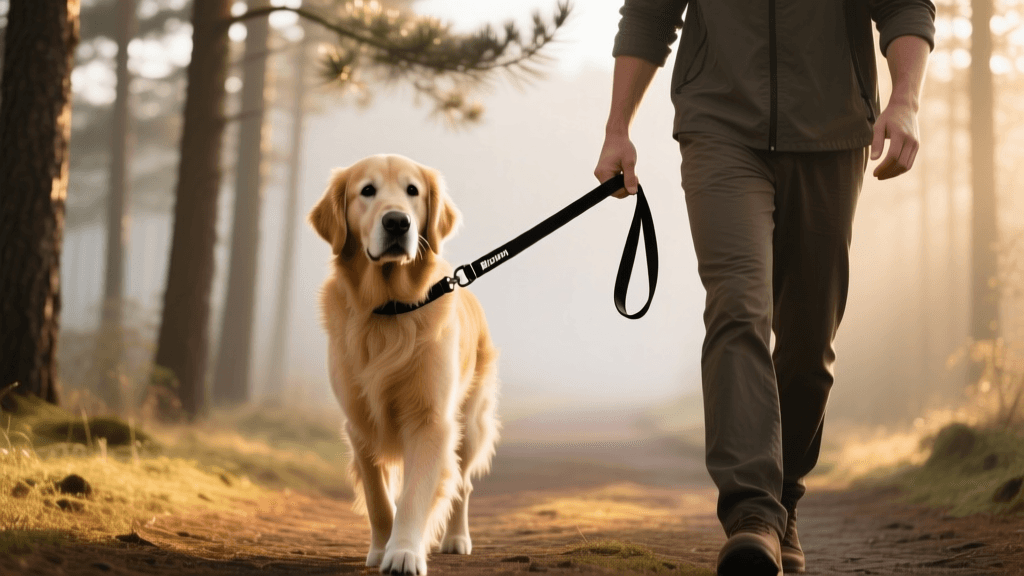
In 2026, the conversation around canine mental health and relationship building has shifted dramatically from simple physical obedience to deep, trust-based enrichment. At the forefront of this movement is the 'Sniffari' or decompression walk. Unlike structured heel walks designed for urban navigation, a Sniffari is a dog-led expedition where the primary goal is olfactory exploration. This practice is not just a luxury; it is a fundamental bonding exercise that lowers canine cortisol levels and fosters a profound sense of security between you and your dog.
Dogs experience the world primarily through their noses. While humans have roughly 6 million olfactory receptors, dogs possess up to 300 million, and the part of their brain dedicated to analyzing odors is proportionally 40 times greater than ours. When you allow your dog to dictate the pace and direction of a walk, you are validating their natural instincts. According to the ASPCA's comprehensive dog care guidelines, providing species-appropriate enrichment is critical for preventing behavioral issues rooted in frustration and anxiety. By holding the other end of a long line and simply observing, you transition from a 'dictator' of the walk to a supportive partner, which is the ultimate foundation for relationship building.
Essential 2026 Gear for Decompression Walks
To execute a safe and effective Sniffari, you must abandon restrictive walking gear. The objective is to provide a 'bubble' of freedom while maintaining a safety net. Here is the exact gear setup recommended by canine behaviorists in 2026.
1. The Y-Shaped Harness
A Y-shaped harness is non-negotiable for decompression walks. Unlike step-in or vest-style harnesses that can restrict shoulder extension and alter a dog's natural gait, a Y-harness sits below the trachea and allows full range of motion. Brands like the Haqihana Y-Harness or the Ruffwear Front Range (specifically the 2026 updated breathable mesh models) are excellent choices. Cost: Expect to invest around $45 to $75. Fit Check: You should be able to slide two fingers flat under the girth strap, and the chest plate must rest completely clear of the dog's armpits to prevent chafing during prolonged sniffing sessions.
2. The 30-Foot Biothane Long Line
Nylon long lines are notorious for absorbing water, mud, and bacteria, leading to foul odors and painful leash burns if your dog suddenly bolts. In 2026, Biothane—a coated polyester webbing that mimics leather but is entirely waterproof and easy to sanitize—is the gold standard. Sizing: Choose a 3/8-inch width for dogs weighing 15 to 30 lbs, and a 5/8-inch width for dogs between 30 and 80 lbs. A 30-foot length provides the perfect balance between exploration space and manageable handling. Cost: $35 to $55 depending on hardware (opt for brass or matte black stainless steel to prevent rust).
3. Scent-Enhanced Treat Pouch and 'Sniff' Cue
While the walk is about sniffing the environment, you still need to maintain a bonding loop. Carry a high-value treat pouch filled with single-ingredient freeze-dried liver or salmon. This is used exclusively for voluntary 'check-ins' when your dog looks back at you from the end of the long line, reinforcing the idea that staying connected to you yields positive rewards.
Step-by-Step Guide to the Perfect Sniffari
- Select the Right Environment: Avoid high-traffic urban sidewalks. Opt for quiet wooded trails, overgrown fields, or designated off-peak park zones where the scent profile is rich and diverse.
- The 'Release' Cue: Put on the harness and long line. Give a specific release word, such as 'Go Sniff' or 'Free Time.' This verbal cue signals to your dog that the rules of the structured walk are suspended, and they are now in charge of the route.
- Manage the 30-Foot Bubble: Do not reel the leash in like a fishing pole. Instead, let the line drag on the ground if the environment is safe and clear of hazards, or use the 'hand-over-hand' looping technique to manage slack. Never wrap the long line around your wrist or fingers, as a sudden chase instinct could result in severe injury.
- Practice Active Observation: Watch your dog's body language. Loose, sweeping tail wags, relaxed ears, and deep, prolonged inhales indicate a healthy decompression state. If your dog freezes, tucks their tail, or stares intently at a specific bush, give them time. Do not rush them.
- Reward Voluntary Engagement: If your dog stops sniffing, turns around, and makes eye contact with you from 20 feet away, toss a treat toward them or praise them warmly. This builds a powerful bond, teaching them that even when given total freedom, you are a source of good things.
Gear Comparison Chart: Standard Walk vs. Sniffari Setup
| Feature | Standard Urban Walk | Sniffari Decompression Walk |
|---|---|---|
| Primary Goal | Physical exercise, potty, obedience | Mental stimulation, stress reduction, bonding |
| Restraint | Collar or Front-Clip Harness | Y-Shaped Harness (No restriction) |
| Leash Type | 4 to 6-foot Nylon or Leather | 20 to 30-foot Biothane Long Line |
| Pace | Human-led, steady rhythm | Dog-led, erratic, frequent stops |
| Mental Fatigue | Low to Moderate | Extremely High (20 mins = 1 hr running) |
Troubleshooting Common Sniffari Challenges
My Dog Won't Sniff and Just Pulls
If your dog is used to high-adrenaline walks, they may initially treat the long line as an invitation to sprint. To counter this, start the Sniffari in a familiar, low-stimulation area like your backyard or a quiet cul-de-sac. Scatter high-value treats in the grass before bringing the dog out to encourage nose-to-ground behavior. As the American Kennel Club's expert training resources frequently note, scent work naturally lowers a dog's heart rate, so encouraging the physical act of sniffing will eventually trigger the psychological state of calm.
The Leash Keeps Tangling in Brush
This is a common issue in wooded areas. To mitigate this, stick to cleared trails but allow your dog to veer 30 feet off-trail into the brush. If you must go deep into the woods, shorten your grip to 15 feet and use a 'follow the leader' technique where you walk parallel to your dog's chosen path, keeping the line elevated above low-hanging branches.
Encountering Off-Leash Dogs
Always carry a pet-safe deterrent spray (like citronella-based Shield Spray) on your belt, not in your pocket. If an unknown dog approaches, calmly step on the long line about 5 feet from your dog's harness. This anchors your dog securely without applying tension to their neck or back, freeing your hands to manage the approaching dog or communicate with the owner.
Weekly Sniffari Schedule for Optimal Bonding
Integrating decompression walks into your 2026 routine doesn't require abandoning structure; it requires balance. The Fear Free Pets initiative emphasizes that predictable routines combined with enriching activities create the most resilient, securely attached dogs.
- Monday & Wednesday: Standard 30-minute structured heel walks for physical potty routines and urban navigation practice.
- Tuesday & Thursday: 45-minute Sniffari sessions in a local nature reserve or quiet field. Focus entirely on letting the dog lead and rewarding check-ins.
- Friday: Indoor scent-work games or puzzle toys to maintain the olfactory bonding without leaving the house.
- Saturday: The 'Mega Sniffari.' A 90-minute excursion to a novel environment (a new trail, a dog-friendly botanical garden, or a beach). Bring water, a portable mat, and practice 'settle' commands after the dog has exhausted their scent-processing drive.
- Sunday: Rest day with light, 10-minute potty walks and evening couch-cuddle sessions to reinforce tactile bonding.
Conclusion: The Ultimate Investment in Your Relationship
Transitioning to a Sniffari-based walking routine is one of the most profound ways to communicate respect and empathy to your dog. By investing in the proper Biothane long line and Y-harness, and by consciously stepping back to let your dog process their environment, you are telling them that their needs matter. In return, you will find a dog that is calmer in the home, more attentive to your cues, and deeply bonded to the human who gives them the world to explore.
marcus-aldridge
All our authors care for dogs every day — read more of their work on the authors page.