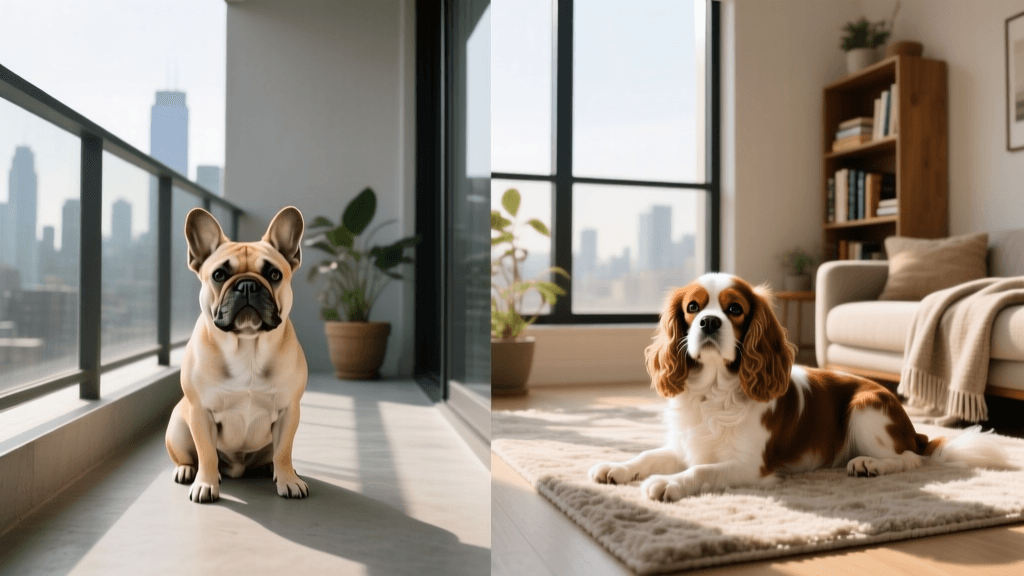
Apartment Dog Living: Balcony Potty Setup and Enrichment
Master apartment dog living with our guide to balcony potty setups, indoor grass patches, and space-saving enrichment for high-rise canines.

The High-Rise Hound: Navigating Urban Dog Ownership
Living in a bustling city or a high-rise apartment with a dog is a uniquely rewarding experience, but it comes with a distinct set of logistical hurdles. Without a sprawling fenced backyard, everyday tasks like late-night potty breaks, managing pent-up energy, and dealing with shared-wall acoustics require strategic planning. According to the American Veterinary Medical Association, establishing a predictable routine and a safe environment is the cornerstone of canine behavioral health, a principle that becomes even more critical when square footage is limited.
Whether you are raising a rambunctious puppy on the fourteenth floor or sharing a studio with a senior rescue, optimizing your space is essential. This guide dives deep into the practicalities of urban dog ownership, focusing on creating a functional balcony potty station, maximizing indoor enrichment without cluttering your living space, and maintaining harmony with your neighbors.
Mastering the Balcony Potty Setup
One of the most significant advantages of having a balcony is the potential to create an emergency or primary potty area. This is a game-changer during torrential rain, blizzards, or those inevitable 3:00 AM wake-up calls. However, dogs do not naturally associate concrete or wooden decking with a bathroom area; they must be taught, and the right equipment is mandatory for odor control and hygiene.
Choosing the Right Balcony Potty System
Selecting the appropriate surface depends on your dog's size, your balcony's drainage capabilities, and your budget. Below is a comparison of the most popular urban potty solutions.
| System Type | Popular Examples | Pros | Cons | Estimated Monthly Cost |
|---|---|---|---|---|
| Real Grass Subscriptions | DoggieLawn, Fresh Patch | Natural scent attracts dogs; fully biodegradable; zero cleaning required. | Requires recurring deliveries; can attract gnats if left too long. | $30 - $45 |
| Synthetic Turf with Grate | Pet Zen, SavvyGrow | Highly durable; easy to hose off; one-time purchase. | Requires manual washing; retains odor if not cleaned with enzymes. | $5 (enzyme cleaners) |
| Grate & Pad Systems | IRIS USA Square Pet Trainer | Affordable; keeps paws dry; utilizes standard pee pads. | Less eco-friendly; pads can blow away in high winds; unnatural feel. | $15 - $20 (pads) |
Step-by-Step Balcony Potty Training
Transitioning a dog to use a balcony requires patience and positive reinforcement. Follow this protocol to build a reliable habit:
- Step 1: Scent Transfer. If your dog is already trained to go outside, place a soiled pee pad or a piece of grass with their scent onto the new balcony system. Dogs rely heavily on olfactory cues to identify appropriate elimination zones.
- Step 2: Leash Guidance. Even on a small balcony, keep your dog on a short 4-foot leash during the first two weeks of training. This prevents them from wandering off to chew on balcony furniture and keeps them focused on the designated potty patch.
- Step 3: Command Association. Use a consistent verbal cue like "Go potty" the moment they begin to eliminate. Reward immediately with a high-value treat (such as freeze-dried liver) the second they finish.
- Step 4: Enzymatic Maintenance. For synthetic systems, spray the turf daily with an enzymatic cleaner like Nature's Miracle to break down uric acid crystals. This prevents the lingering ammonia smell that can bother neighbors on adjacent balconies.
Space-Saving Indoor Enrichment
In an apartment, physical space for fetch or zoomies is severely restricted. A lack of physical and mental stimulation often leads to destructive chewing, separation anxiety, and excessive barking. The Humane Society of the United States emphasizes that mental enrichment is just as tiring for a dog as physical exercise, making it the perfect tool for small-space living.
Top Enrichment Tools for Small Spaces
Instead of bulky agility equipment, utilize compact, high-impact enrichment tools that can be easily stored in a closet or under a sofa.
- Snuffle Mats (e.g., Paw5 Wooly Snuffle Mat, ~$45): These fabric mats mimic the act of foraging. By hiding kibble or small treats deep within the fleece strips, you force your dog to use their nose. A 15-minute snuffling session can burn as much mental energy as a one-mile walk.
- Lick Mats (e.g., Hyper Pet IQ Treat Mat, ~$10): Smear these textured silicone mats with plain Greek yogurt, pumpkin puree, or xylitol-free peanut butter, and freeze them. Licking releases endorphins in a dog's brain, making this an excellent calming tool during noisy thunderstorms or when guests are over.
- Interactive Puzzle Toys (e.g., Outward Hound Dog Brick, ~$15): These compact wooden or plastic puzzles require dogs to slide compartments and lift flaps to reveal treats. They measure roughly 12x11 inches, making them easy to slide under a coffee table when not in use.
Pro Tip for Apartment Dwellers: Ditch the traditional food bowl entirely. Feeding your dog their daily kibble allowance exclusively through puzzle toys, snuffle mats, and training sessions ensures they are working for their food, drastically reducing boredom-related behavioral issues in confined spaces.
Managing Noise and Being a Good Neighbor
Shared walls, thin doors, and echoing hallways mean your dog's vocalizations are easily heard by neighbors. Alert barking triggered by footsteps in the hall or the ding of the elevator is one of the most common complaints in urban multi-family housing.
Sound Masking Techniques
To combat hallway noise, invest in a high-quality white noise machine. Devices like the LectroFan (~$40) produce non-repeating audio frequencies that effectively mask sudden, sharp sounds like doors slamming or dogs barking in the corridor. Place the machine on a console table directly adjacent to your front door to create an acoustic buffer before the sound reaches your dog's resting area.
Desensitization to Hallway Traffic
For long-term behavioral modification, you must change your dog's emotional response to hallway triggers. The American Kennel Club's training hub advocates for counter-conditioning to alter a dog's reaction to environmental stimuli. Keep a jar of high-value treats near your door. Every time you hear a neighbor walking by or the elevator chiming, immediately toss a treat to your dog's mat before they have the chance to bark. Over time, the dog will associate the sound of approaching footsteps with the arrival of a reward, replacing the urge to bark with an expectation of a treat.
Creating a Vertical and Cozy Environment
When floor space is at a premium, look upward. While dogs are not cats, many small to medium breeds (like Dachshunds, Terriers, and Pugs) enjoy elevated vantage points where they can observe their domain safely. Investing in a set of pet-friendly foam stairs or a carpeted ramp allows your dog to safely access the couch or a designated window perch without risking joint injuries from jumping up and down on hard apartment flooring.
Furthermore, crate training is highly recommended for apartment dogs. A properly sized crate (where the dog can stand, turn around, and lie down, but no larger) serves as a den. Placing the crate in a quiet corner of the bedroom, draped with a breathable cotton cover, provides a sensory-deprivation sanctuary where your dog can decompress from the overwhelming visual and auditory stimuli of city life.
Conclusion
Urban dog ownership requires a blend of creativity, consistency, and proactive management. By installing a reliable balcony potty system, prioritizing daily mental enrichment over sheer physical space, and actively managing acoustic triggers, you can create a thriving environment for your canine companion. Apartment living does not mean compromising on your dog's quality of life; rather, it encourages a deeper, more intentional bond between you and your high-rise hound.
beth-carrasco
All our authors care for dogs every day — read more of their work on the authors page.