2026 Sniffari Guide: Bonding With Your Dog On Decompression Walks
Discover how 2026 sniffari decompression walks and biothane long lines reduce canine stress and deepen your bond. Expert tips and gear inside.
The Science Behind the Sniffari: Why Decompression Walks Build Trust
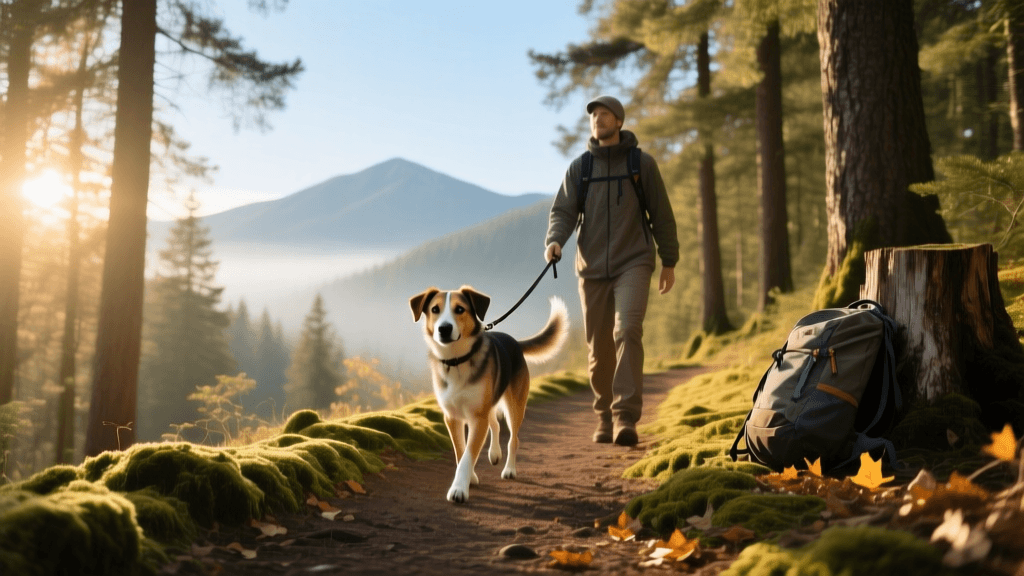
In the evolving landscape of modern dog ownership, the metric of a "good walk" has fundamentally shifted. As we navigate 2026, veterinary behaviorists and canine enrichment experts overwhelmingly agree that physical mileage is secondary to mental stimulation. Enter the "Sniffari" or decompression walk: a dedicated outing where your dog is granted the autonomy to explore, sniff, and process their environment at their own pace. This practice is not merely a trend; it is a cornerstone of canine relationship building and stress reduction.
To understand why decompression walks forge such a profound bond between you and your dog, we must look at canine biology. A dog's olfactory system is astonishingly complex. According to detailed biological overviews like Wikipedia: Olfaction in Dogs, canines possess up to 300 million olfactory receptors in their noses (compared to our mere 6 million), and the portion of their brain dedicated to analyzing odors is proportionally 40 times greater than ours. When your dog sniffs, they are not just smelling; they are reading the neighborhood newspaper, processing pheromones, and engaging in a deeply calming cognitive exercise.
Studies in canine cognition have shown that continuous sniffing actually lowers a dog's heart rate and reduces cortisol levels. When you facilitate this experience by providing a safe environment and the freedom to explore, you transition from being a "dictator" of the walk to a trusted advocate and partner. This autonomy builds immense trust, which is the bedrock of any strong human-canine bond.
Essential 2026 Gear for Sniffari Success
To execute a proper decompression walk, you must abandon restrictive, short leashes and aversive equipment. The goal is to provide a "bubble of freedom" while maintaining safety. Here is the essential gear recommended by force-free trainers in 2026.
The Y-Shaped Harness
A proper Y-shaped harness is non-negotiable for decompression walks. Unlike step-in or restrictive harnesses that sit across the shoulder joint, a Y-harness allows for a full, natural range of motion. When your dog leans in to investigate a scent cone, the harness should not pinch or restrict their gait.
- Top 2026 Pick: The Hurtta Weekend Warrior or the Ruffwear Front Range.
- Fit Check: Ensure you can slide two fingers flat under the chest strap. The center ring should sit above the sternum, not on the dog's throat.
- Cost: Expect to invest between $50 and $95 for a high-quality, padded Y-harness.
The Biothane Long Line
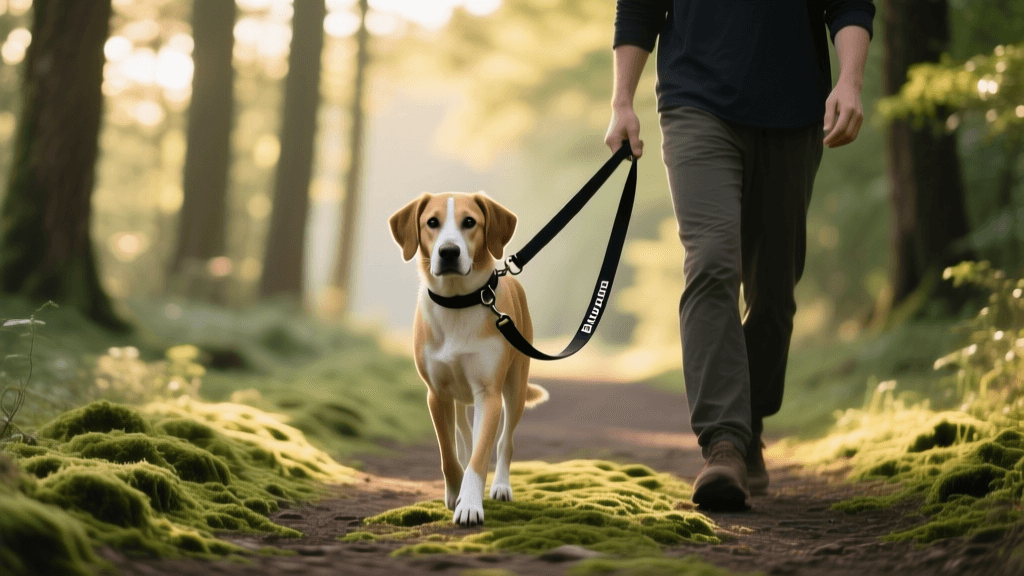
A standard 6-foot nylon leash severely limits a dog's ability to decompress. A long line (15 to 30 feet) gives your dog the radius needed to make choices and follow scent trails. In 2026, Biothane is the undisputed material of choice over cotton or nylon.
- Why Biothane? It is waterproof, mud-proof, and does not absorb odors or freeze in winter weather. It glides through your hands without causing rope burn.
- Width Guidelines: Use a 3/8-inch width for small dogs (under 20 lbs), a 1/2-inch width for medium dogs (20-50 lbs), and a 5/8-inch width for large, powerful breeds (50+ lbs).
- Length: A 20-foot line is ideal for wooded trails, while a 30-foot line is better for open fields.
- Hardware: Ensure the brass or stainless steel snap hook is lightweight so it does not weigh down your dog's neck. Custom makers often drill out the hardware to reduce weight by up to 40%.
Step-by-Step: Executing the Perfect Decompression Walk
Transitioning from a structured neighborhood heel to a decompression walk requires a shift in your own mindset. You are no longer marching to a destination; you are accompanying your dog on their expedition.
1. Location Scouting
The American Veterinary Medical Association (AVMA) emphasizes the importance of safe, low-stress environments for canine mental health. Avoid high-traffic sidewalks, crowded dog parks, or areas with heavy off-leash dog populations. Seek out quiet nature trails, empty sports fields, or overgrown meadows where your dog can safely explore without sudden, stressful encounters.
2. The Slack-Leash Technique
Hold the long line in loose loops. Do not wrap it around your wrist or fingers, which can cause severe injury if your dog suddenly bolts after a squirrel. Let the line drag on the ground if the environment is entirely enclosed and safe, or keep a gentle, smiling "U" shape in the line between you and your dog. If the line goes tight, stop walking and wait for your dog to release the tension before following them.
3. Embrace the "Boring" Moments
Your dog may spend five solid minutes sniffing a single patch of weeds. Resist the urge to say "Let's go" or pull them away. This deep processing is where the mental fatigue and stress relief occur. A 30-minute Sniffari can leave your dog as physically and mentally satisfied as a two-mile run.
Comparison Chart: Standard Walk vs. Sniffari Decompression Walk
| Feature | Standard Neighborhood Walk | Sniffari Decompression Walk |
|---|---|---|
| Primary Goal | Physical exercise, potty break | Mental enrichment, stress reduction |
| Pace | Human-led, steady rhythm | Dog-led, erratic, frequent stops |
| Equipment | Collar or standard harness, 6ft leash | Y-Harness, 15-30ft Biothane long line |
| Environment | Sidewalks, paved paths, urban areas | Quiet woods, fields, low-traffic nature |
| Canine Autonomy | Low (human dictates route and speed) | High (dog chooses scents and pace) |
| Bonding Impact | Maintenance of routine | Deepens trust and advocacy |
Reading Your Dog: Calming Signals and Autonomy
A massive component of relationship building is learning your dog's language. During a Sniffari, you will have the quiet time necessary to observe your dog's "calming signals"—subtle body language cues used to self-soothe and communicate peaceful intentions. These include ground-sniffing, lip-licking, yawning, and doing a full-body shake-off.
When you see your dog do a vigorous "shake-off" after encountering a novel stimulus (like a strange noise or a distant dog), they are literally shaking off adrenaline. By giving them the space on a long line to process this and return to sniffing, you are validating their coping mechanisms. According to modern behavioral frameworks highlighted in American Kennel Club (AKC) Expert Advice, allowing dogs to make choices and self-regulate their emotions in safe environments drastically reduces reactivity and anxiety over time. You become their safe haven because you do not force them into overwhelming situations.
Tracking Bonding and Stress Metrics in 2026
Technology has caught up to force-free training methodologies. In 2026, smart collars and health trackers are no longer just for GPS location; they are vital tools for monitoring your dog's baseline stress and recovery. Devices like the latest iterations of the Fi Smart Collar or the Whistle Health tracker can monitor your dog's rest patterns and activity intensity.
After incorporating three Sniffari walks a week into your routine, check your dog's health app data. Many owners report a significant increase in deep sleep duration and a lower resting heart rate on days following heavy olfactory enrichment. Tracking these metrics provides tangible proof that your bonding efforts are improving your dog's overall physiological well-being.
Conclusion: A Deeper Connection
The Sniffari is more than just a walk; it is an exercise in empathy. By stepping back, loosening the Biothane long line, and allowing your dog to experience the world through their primary sense, you are offering them a profound gift. In a fast-paced, human-centric world, giving your dog 30 minutes of pure, unadulterated autonomy is one of the most powerful ways to say, "I understand you, and I am here to support you." As you continue your journey through 2026, prioritize these decompression walks, and watch as your dog's trust, confidence, and bond with you flourish in the quiet moments between the trees.
hannah-wickes
All our authors care for dogs every day — read more of their work on the authors page.