Best Apartment Dog Breeds: A Complete Comparison Guide
Discover the best apartment-friendly dog breeds. Compare sizes, energy levels, and costs to find the perfect canine companion for your city living space.
The Reality of Urban Dog Ownership
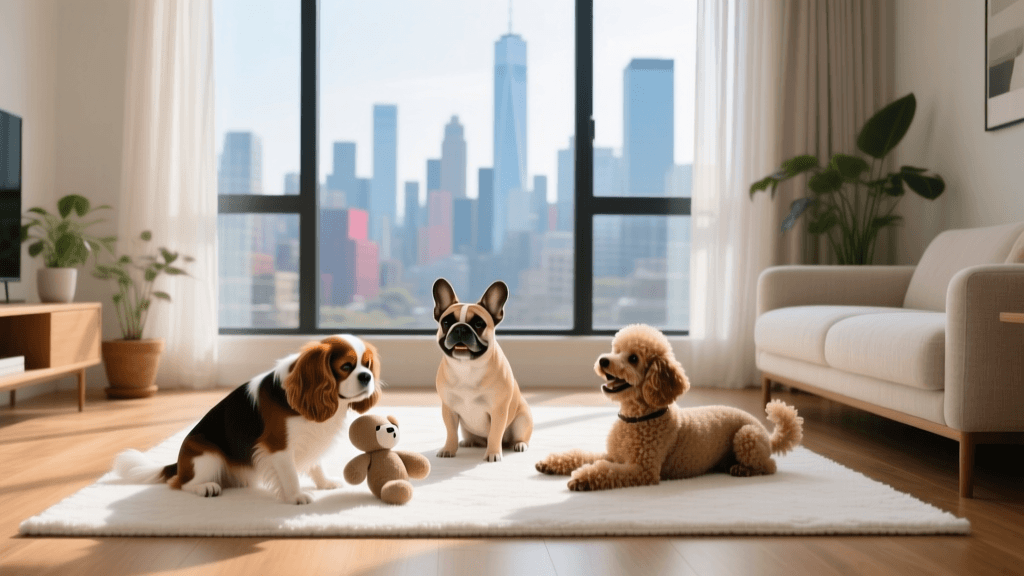
Moving to a bustling city or living in a cozy apartment does not mean you have to abandon your dream of dog ownership. However, the confined spaces, shared walls, and lack of a private backyard mean that selecting the right breed is not just a preference—it is a necessity for your sanity and your neighbor's peace. According to the American Kennel Club (AKC), energy level and temperament are often far more critical than physical size when selecting an apartment dog. Many prospective owners mistakenly believe that smaller dogs are automatically better suited for apartments, but a tiny terrier may require more active engagement and space to run than a massive, laid-back hound.
Choosing the right companion requires a careful evaluation of your daily routine, your living space dimensions, and your financial readiness to handle urban pet care costs. In this comprehensive guide, we will compare the best apartment-friendly dog breeds, break down the hidden costs of city dog ownership, and provide actionable advice on preparing your space for a new furry roommate.
Size vs. Energy: The Great Misconception
When browsing listings or visiting shelters, the square footage of your apartment often dictates your initial search parameters. A studio or one-bedroom apartment typically ranges from 400 to 700 square feet. While it seems logical to seek out a toy breed for a small footprint, canine behaviorists emphasize that energy level and barking tendency are the true make-or-break factors for apartment living.
For example, a Jack Russell Terrier weighs a mere 15 pounds but possesses the stamina of a marathon runner. Confined to an apartment without two hours of vigorous daily exercise, they are prone to destructive chewing and excessive barking. Conversely, a Greyhound can weigh up to 70 pounds but is famously known as a '45-mph couch potato.' They require a short daily sprint or a brisk 30-minute walk, spending the rest of the day curled up on a dog bed. Therefore, matching the dog's exercise requirements to your willingness to visit local dog parks and go on neighborhood walks is paramount.
Top Apartment-Friendly Breeds Compared
Below is a structured comparison of five highly recommended breeds for apartment dwellers. This chart evaluates them across critical metrics for city living, including weight, energy, vocalization, and grooming needs.
| Breed | Avg. Weight | Energy Level | Barking Tendency | Grooming Needs | Ideal Indoor Space |
|---|---|---|---|---|---|
| Greyhound | 60-70 lbs | Low (Sprinters) | Very Low | Low | Large orthopedic bed |
| Cavalier King Charles Spaniel | 12-18 lbs | Moderate | Low | Moderate | Cozy rug or bed |
| Bichon Frise | 12-18 lbs | Moderate | Moderate | High | Small playpen area |
| Pug | 14-18 lbs | Low | Moderate | Low | Climate-controlled bed |
| Basenji | 22-24 lbs | High | Low (Yodels) | Low | Enrichment play zone |
1. Greyhound
Despite their racing background, retired Greyhounds are incredibly docile and quiet. They are highly sensitive to cold and hard floors, so investing in a large, supportive orthopedic bed (like the Big Barker 7-inch Orthopedic Dog Bed, approx. $250) is essential. They rarely bark, making them excellent neighbors in buildings with thin walls.
2. Cavalier King Charles Spaniel
Cavaliers are affectionate, adaptable, and thrive on human companionship. They are small enough to travel easily in a city-approved pet carrier (such as the Sherpa Original Deluxe, approx. $65) for subway rides or outdoor cafe visits. Their moderate energy is easily satisfied with a 30-minute neighborhood walk and some indoor fetch.
3. Bichon Frise
Bichons are cheerful and highly trainable, but they require significant grooming to prevent matting. Expect to pay $75 to $120 every four to six weeks for professional grooming in an urban environment. They are also prone to separation anxiety, so they are best suited for owners who work from home or can afford mid-day doggy daycare.
4. Pug
Pugs are sturdy, low-energy companions that do not require vast amounts of space. However, their brachycephalic (flat-faced) anatomy means they are highly sensitive to heat and humidity. If you live in a city apartment without central air conditioning, you must budget for cooling mats and strict climate control during the summer months.
5. Basenji
The Basenji is unique because it does not bark; instead, it makes a yodeling sound. While this saves you from noise complaints, their high energy and cat-like independence require dedicated mental stimulation. They are escape artists and must be kept on a secure harness, like the Ruffwear Front Range ($40), when navigating busy city hallways.
Managing Noise and Neighbor Relations
Excessive barking is the leading cause of neighbor disputes and lease violations in apartment complexes. The ASPCA notes that understanding the root cause of barking—whether it is territorial, alarm-based, or driven by boredom—is the first step in mitigation. For apartment dwellers, alarm barking triggered by hallway footsteps or elevator dings is the most common issue.
Living in an apartment with a dog is less about the square footage of your home and more about the daily routine and environmental management you build outside of it.
To combat noise triggers, consider the following actionable steps:
- White Noise Machines: Place a device like the LectroFan Classic ($40) near your front door to mask the sounds of neighbors walking by.
- Window Film: If your dog barks at pedestrians or other dogs through the ground-floor window, apply a static-cling frosted window film ($15) to block the visual trigger while still letting in light.
- Camera Treat Dispensers: The Furbo 360 Dog Camera ($199) allows you to monitor your dog's vocalizations via smartphone and toss treats to redirect their attention before a barking frenzy begins.
Financial Costs of City Dog Ownership
Owning a dog in an urban environment carries unique financial overhead compared to suburban living. Before signing a lease or adopting, you must budget for the following city-specific expenses:
- Pet Rent and Deposits: Most apartment buildings charge a non-refundable pet fee ($200 to $500) and a monthly pet rent ranging from $25 to $75.
- Dog Walkers: If you work long hours in an office, a mid-day dog walker is mandatory. Urban rates typically range from $20 to $35 per 30-minute walk.
- Indoor Potty Solutions: For high-rise dwellers, taking the elevator down 20 floors during a winter storm or a puppy's potty emergency is difficult. Subscription services like Fresh Patch (real grass delivered to your door) cost about $35 per shipment, while reusable systems like the UGODOG cost around $45 upfront.
- Doggy Daycare: Urban daycare facilities charge between $35 and $60 per day to provide socialization and exercise in the absence of a backyard.
Elevator and Hallway Etiquette
Navigating shared spaces requires strict training and the right equipment. Retractable leashes are highly discouraged in apartment buildings; they offer zero control in a confined 6x6 elevator cab and can easily tangle around a neighbor's legs. Instead, use a sturdy 4-foot or 6-foot leather or nylon leash. When the elevator doors open, command your dog to 'wait' or 'sit' until the hallway is clear. The Humane Society of the United States strongly recommends evaluating a dog's baseline behavior and leash manners before bringing them into a high-density living environment, as poor leash reactivity can make daily exits incredibly stressful.
Indoor Enrichment for Confined Spaces
Because apartment dogs cannot simply wander a fenced yard to burn off energy, you must bring the enrichment indoors. Mental stimulation tires a dog out just as effectively as physical exercise. Incorporate these specific products into your daily routine:
- Puzzle Toys: The Outward Hound Nina Ottosson Dog Brick ($30) forces your dog to use their nose and paws to uncover hidden kibble, providing 15 to 20 minutes of intense mental focus.
- Snuffle Mats: A $25 snuffle mat mimics the act of foraging in tall grass. Scatter your dog's daily meal across the mat to slow down eating and engage their primary scent senses.
- Lick Mats: Spread plain pumpkin puree or dog-safe peanut butter on a silicone lick mat and freeze it. Licking releases endorphins in a dog's brain, making this an excellent tool to keep them calm during thunderstorms or when guests are visiting your small space.
Conclusion
Selecting the right dog for apartment living requires looking beyond the puppy's size and focusing on their energy output, vocalization habits, and adaptability to confined spaces. Breeds like the Greyhound, Cavalier King Charles Spaniel, and Basenji prove that you do not need a sprawling suburban estate to provide a happy, fulfilling life for a canine companion. By budgeting for urban pet fees, investing in noise-mitigation tools, and committing to daily mental enrichment, you can create a harmonious environment for yourself, your dog, and your neighbors.
aaron-whyte
All our authors care for dogs every day — read more of their work on the authors page.