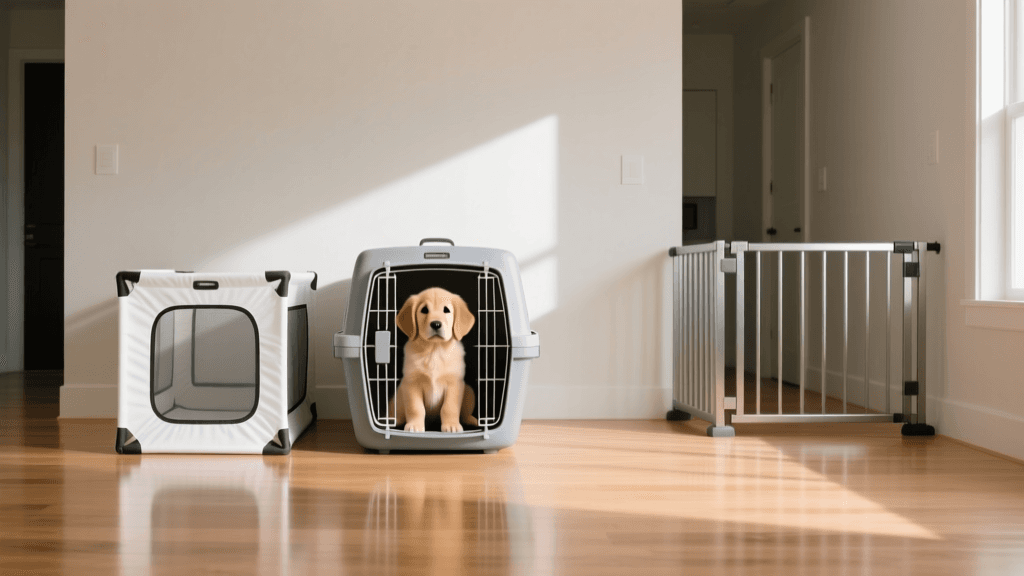
Essential Smart Tech and GPS Gear for New Dog Owners
Discover the best smart tech, GPS trackers, and pet cameras to keep your new dog safe, entertained, and on a healthy routine from day one.

Why Invest in Dog Tech on Day One?
Bringing a new dog or puppy into your home is one of life’s most rewarding experiences, but it also comes with a unique set of challenges. From potty training and separation anxiety to ensuring your new escape artist doesn’t bolt out the front door, the first few months require constant vigilance. Fortunately, the modern pet care market is overflowing with smart technology designed to ease this transition. According to the Humane Society of the United States, establishing a predictable routine and a safe environment are the most critical steps when bringing a new dog home. Smart gear and tech equipment can automate routines, monitor behavior, and provide a safety net that gives new owners unparalleled peace of mind.
Whether you are adopting a rescue with an unknown history or bringing home a purebred puppy, integrating the right technology into your home setup can prevent bad habits, ensure physical safety, and drastically reduce the stress of early dog ownership. Below, we break down the essential gear, tech, and equipment you should consider investing in before your new dog crosses the threshold.
GPS Trackers: The Ultimate Safety Net
One of the greatest fears for any new dog owner is their pet slipping out of an open gate or bolting when the front door is left ajar. While microchipping is essential for permanent identification, it only helps if someone finds your dog and takes them to a scanner. A GPS tracker provides real-time location data directly to your smartphone, allowing you to track your dog’s movements instantly.
Modern GPS collars and attachments use a combination of GPS satellites, Wi-Fi positioning, and cellular networks to pinpoint your dog's location. Many also offer 'safe zone' geofencing, which sends an instant push notification to your phone if your dog leaves your yard or a designated park area.
Top GPS Tracker Comparison
| Brand & Model | Battery Life | Monthly Subscription | Key Features |
|---|---|---|---|
| Fi Series 3 Smart Collar | Up to 3 months | $8 - $12/month | Integrated collar, activity tracking, escape alerts, rugged design. |
| Whistle Go | Up to 20 days | $8 - $10/month | Attaches to existing collar, health monitoring, lightweight. |
| Tractive GPS | 2 to 5 days | $6 - $8/month | Live tracking, virtual fences, worldwide coverage, budget-friendly. |
Pro Tip: When setting up your GPS tracker, be sure to test the geofence boundaries while walking your dog on a leash to ensure the push notifications trigger accurately before letting them roam off-leash in an unfenced area.
Pet Cameras: Easing Separation Anxiety and Mischief
Leaving a new dog home alone for the first time is nerve-wracking. Will they cry? Will they chew the baseboards? Pet cameras have evolved far beyond simple security feeds; they are now interactive tools for training and behavioral monitoring. Separation anxiety is incredibly common in newly adopted dogs, and the ASPCA notes that monitoring your dog's behavior when alone is crucial for diagnosing and treating anxiety-related issues.
Features to Look for in a Pet Camera
- Two-Way Audio: Allows you to speak to your dog to soothe them or issue a 'leave it' command if they approach the trash can.
- Treat Tossing: Cameras like the Furbo 360 allow you to remotely toss treats, which is excellent for rewarding quiet behavior and creating positive associations with your departure.
- Bark Alerts: Smart AI can differentiate between a dog barking and other household noises, sending you a notification so you can intervene before the neighbors complain.
- Pan and Tilt: A 360-degree rotating lens ensures you can follow your dog around the room rather than just staring at an empty sofa.
For budget-conscious owners, the Wyze Cam v3 is an excellent, low-cost alternative that offers crisp video and two-way audio, though it lacks the specialized treat-tossing mechanics of premium pet-specific brands.
Smart Feeders and Hydration Stations: Building a Routine
Dogs thrive on routine, and nowhere is this more evident than in their digestive and potty schedules. Free-feeding (leaving a bowl of kibble out all day) is generally discouraged by veterinarians and trainers because it makes potty training unpredictable and can lead to obesity. A smart automatic feeder solves this by dispensing precise portions at exact times.
Why Smart Feeders are a Game Changer
Devices like the PETLIBRO Granary Smart Feeder or the PetSafe Smart Feed allow you to schedule meals via a smartphone app. This is particularly useful for new owners who work long hours or have unpredictable schedules. By feeding your dog at the exact same time every morning and evening, you can accurately predict when they will need to go outside to relieve themselves, drastically reducing indoor accidents.
Furthermore, smart feeders often feature stainless steel bowls and anti-jam mechanisms, ensuring your dog gets their food even if the Wi-Fi drops, as most operate on battery backups. Pairing a smart feeder with a smart water fountain (like the Catit or PetSafe Drinkwell) ensures your dog has access to filtered, circulating water, which encourages hydration and supports kidney health.
Microchip-Activated Smart Doors
If you have a fenced yard or a secure catio-style enclosure for your dog, a pet door offers them the freedom to potty on demand. However, traditional flap doors are a massive security risk, allowing neighborhood stray cats, raccoons, or even wildlife to enter your home.
A microchip-activated smart door, such as the SureFlap Microchip Pet Door, reads your dog’s existing veterinary microchip (or a provided RFID collar tag) and only unlocks the flap for your specific pet. The ASPCA strongly advocates for microchipping as a primary form of identification, and smart doors leverage this technology to keep your home secure while granting your dog autonomy. This is especially helpful for potty training puppies or rescue dogs who may be anxious about holding it until you return home.
Budgeting for Dog Tech: What to Buy First
Outfitting your home with smart gear can get expensive quickly. If you are on a budget, it is important to prioritize equipment based on safety and immediate training needs. Here is a phased approach to purchasing dog tech:
Phase 1: Day One Essentials (Safety & Monitoring)
- GPS Tracker: Non-negotiable for safety. Buy this before the dog arrives.
- Basic Pet Camera: A standard Wi-Fi camera (like Wyze or Ring) is sufficient for the first few weeks to monitor crying or destructive behavior.
Phase 2: Week Two (Routine & Training)
- Smart Feeder: Once you know your dog's caloric needs and feeding schedule, invest in an automatic feeder to lock in their potty routine.
- Interactive Treat Camera: Upgrade to a treat-tossing camera if you notice mild separation anxiety that requires positive reinforcement while you are away.
Phase 3: Month One and Beyond (Convenience)
- Smart Pet Door: Once your dog is fully vaccinated and your yard is secure, install a microchip door to give them outdoor access.
- Smart Water Fountain: A great addition for long-term health and hydration tracking.
Conclusion
Integrating smart tech and GPS gear into your home isn't about replacing the love, attention, and training your new dog needs; it is about enhancing your ability to provide a safe, structured, and enriching environment. By investing in a reliable GPS tracker, an interactive camera, and automated feeding systems, you are setting the stage for a smoother transition, faster training, and a lifetime of security for your newest family member. Take the time to research the specific needs of your dog's breed and size, set up your devices before their arrival, and enjoy the peace of mind that modern pet technology provides.
hannah-wickes
All our authors care for dogs every day — read more of their work on the authors page.