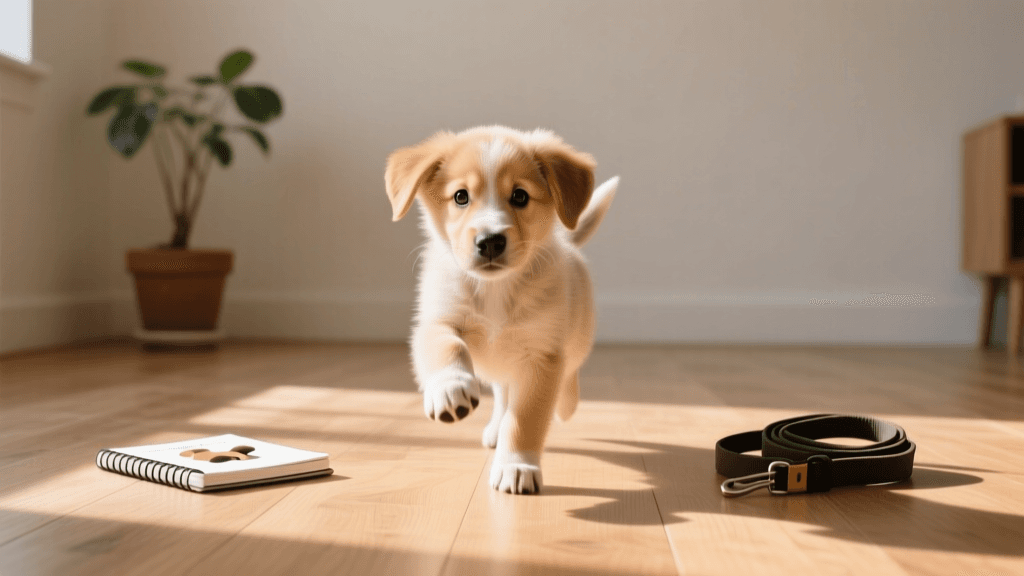
Best Smart Puppy Gear: GPS Trackers and Potty Tech
Discover the best smart puppy gear, including GPS trackers, pet cameras, and automated potty solutions to keep your new puppy safe and accelerate training.

The Modern Puppy Parent: Why Tech Matters in Year One
Raising a puppy during their first year is a whirlwind of developmental milestones, from teething and potty training to early socialization and boundary testing. While traditional training methods, patience, and positive reinforcement remain the foundation of good dog ownership, modern technology has introduced a suite of tools that can drastically reduce the stress of puppy rearing. Smart gear is no longer just a luxury; it is a practical asset for busy pet parents who want to ensure their puppy's safety, monitor their health, and maintain consistent routines.
In this comprehensive gear and tech guide, we will explore the most effective smart devices for puppy care. We will cover specific product recommendations, exact measurements, timing schedules, and costs to help you build the ultimate tech-enabled puppy survival kit.
GPS Trackers: Keeping Your Escape Artist Safe
Puppies are notoriously curious and lack a developed sense of danger or spatial awareness. A momentary lapse in attention at an open front door or a loose fence panel can result in a lost puppy. While physical tags are essential, they rely on a Good Samaritan finding your dog. GPS trackers provide real-time location data directly to your smartphone.
Top Pick: Fi Series 3 Smart Dog Collar
- Cost: ~$149 upfront + $8/month subscription
- Battery Life: Up to 3 months in safe mode, 3 days in lost dog mode
- Key Features: LTE-M tracking, daily step goals, sleep monitoring, and escape alerts.
The Fi Series 3 is widely regarded as the gold standard for canine GPS tracking. Unlike Bluetooth trackers that only work within a 100-foot radius, Fi uses cellular networks to pinpoint your puppy's location anywhere. The collar also tracks your puppy's daily activity levels, which is crucial for ensuring your growing dog is getting the right amount of exercise without overexerting their developing joints.
Alternative: Whistle Go Explore
- Cost: ~$129 upfront + $5/month subscription
- Key Features: Health monitoring, scratch detection, and waterproof design.
Actionable Advice: When fitting a GPS collar on a puppy, always use the 'two-finger rule.' You should be able to comfortably slide two fingers between the collar and your puppy's neck. Puppies grow rapidly, so check the fit weekly. Furthermore, technology can fail. The ASPCA strongly recommends microchipping as a permanent, non-removable backup to any electronic tracking device.
Smart Pet Cameras: Tackling Separation Anxiety and Potty Monitoring
The first few months of a puppy's life require near-constant supervision. When you must leave for work or run errands, a smart pet camera allows you to monitor your puppy's behavior, ensuring they aren't chewing on baseboards or having accidents in their crate.
Top Pick: Furbo 360 Dog Camera
- Cost: ~$210 (No mandatory subscription for basic features)
- Key Features: 360-degree auto-rotation, treat tossing, bark alerts, and crying detection.
The Furbo 360 is particularly useful for puppies prone to separation anxiety. The treat-tossing feature allows you to reward your puppy remotely when they settle down in their crate or playpen, reinforcing calm behavior.
Budget Pick: Wyze Cam Pan v3
- Cost: ~$40 (Optional cloud storage subscription)
- Key Features: Pan and tilt functionality, color night vision, and sound detection.
Actionable Advice: Use your camera to identify your puppy's natural potty schedule. According to the Humane Society of the United States, a general rule of thumb is that a puppy can control their bladder for one hour for every month of age. If you have a three-month-old puppy, use your camera to anticipate their need to go out every three hours, preempting accidents before they happen.
Automated Smart Feeders: Mastering the Puppy Feeding Schedule
Puppies require strict feeding schedules to aid in digestion, potty training predictability, and housebreaking. Puppies under six months typically need three to four meals a day. An automated smart feeder ensures your puppy is fed at the exact same times daily, even if your schedule changes.
Top Pick: PETLIBRO Automatic Pet Feeder with Camera
- Cost: ~$140
- Key Features: Built-in camera, app-controlled portion sizing, and voice recording.
Actionable Advice: Do not rely on 'cup' measurements, as kibble sizes vary wildly between brands. Weigh your puppy's daily food requirement in grams using a kitchen scale, then divide that total by the number of meals. Program the PETLIBRO to dispense these exact gram portions. For a four-month-old puppy, a sample schedule might be: 7:00 AM, 12:00 PM, 5:00 PM, and 9:00 PM. Consistent feeding leads to consistent potty breaks, usually 15 to 30 minutes after eating.
Smart Potty Training Gear: Bells and Sensors
Teaching a puppy to signal when they need to go outside is a major milestone. Traditional jingle bells tied to a doorknob can be too quiet to hear from another room or can become a nuisance if the puppy plays with them.
Top Pick: Mighty Paw Smart Bell 2.0
- Cost: ~$40
- Key Features: Wireless, plug-in chime receiver, adjustable volume, and 38 ringtones.
The Mighty Paw Smart Bell uses a wireless activator that you place on the floor or mount low on the door. When the puppy touches it, a chime sounds in a receiver you plug in anywhere in your house.
Training Protocol: For the first week, every time you take the puppy out, guide their nose or paw to touch the activator right before opening the door. Reward immediately with a high-value treat outside. Keep the receiver volume on a moderate setting to avoid startling a timid puppy.
Interactive Tech Toys for Teething and Enrichment
Between 3 and 6 months of age, puppies will chew relentlessly as their adult teeth come in. Providing appropriate, engaging outlets for this behavior saves your furniture and keeps your puppy mentally stimulated.
Top Pick: Cheerble Smart Ball
- Cost: ~$40
- Key Features: Self-rolling, obstacle avoidance, and intermittent rest modes.
This durable, silicone-coated smart ball moves on its own, triggering a puppy's natural prey drive. It is an excellent tool for burning off excess energy on rainy days when outdoor socialization walks aren't possible.
Pro Tip: Always supervise your puppy with electronic or motorized toys. Once the play session is over, store the tech toys out of reach to prevent the puppy from chewing through lithium-ion batteries or wiring.
Comparison Chart: Top Puppy Tech Gear at a Glance
| Gear Category | Top Product Pick | Est. Cost | Subscription | Best For |
|---|---|---|---|---|
| GPS Tracker | Fi Series 3 Collar | $149 | $8/month | Escape artists & active pups |
| Pet Camera | Furbo 360 | $210 | None required | Separation anxiety & treat tossing |
| Smart Feeder | PETLIBRO w/ Camera | $140 | None required | Strict potty & feeding schedules |
| Potty Bell | Mighty Paw Smart Bell | $40 | None required | Housetraining communication |
| Teething Toy | Cheerble Smart Ball | $40 | None required | Mental enrichment & teething |
Integrating Tech with Traditional Puppy Training
While smart gear provides incredible support, it is vital to remember that technology cannot replace the bond you build with your puppy. The Centers for Disease Control and Prevention (CDC) emphasizes that proper socialization, physical handling, and direct interaction are critical for a dog's behavioral development and mental well-being.
Use GPS trackers to give yourself peace of mind during off-leash training in fenced areas. Use cameras to understand your puppy's triggers and body language. Use automated feeders to establish a biological rhythm that makes potty training easier. By blending the best of modern pet technology with dedicated, hands-on training sessions, you will set your puppy up for a lifetime of health, safety, and good behavior.
marcus-aldridge
All our authors care for dogs every day — read more of their work on the authors page.