Smart Collars and GPS Tech for Modern Dog Recall Training
Discover how GPS trackers and smart collars revolutionize recall training. Learn actionable, tech-driven methods for reliable, modern canine obedience.

The Evolution of Recall Training in the Digital Age
Recall training is arguably the most critical safety command you can teach your dog. In the past, achieving a bulletproof recall required long-lines, extensive field work, and a heavy reliance on physical boundaries. Today, the intersection of technology and modern dog care has introduced a new paradigm. GPS trackers, smart collars, and virtual geofencing systems have transformed how we approach behavioral conditioning and boundary training. However, technology is not a magic wand; it is a sophisticated tool that must be paired with foundational behavioral science to be effective and humane.
According to the American Kennel Club (AKC), a reliable recall is built on positive reinforcement, consistency, and gradually increasing distractions. Modern smart collars enhance this process by providing real-time telemetry, precise boundary enforcement, and customizable feedback mechanisms that bridge the communication gap between handler and hound, especially in off-leash environments.
Understanding the Hardware: Trackers vs. Smart Training Collars
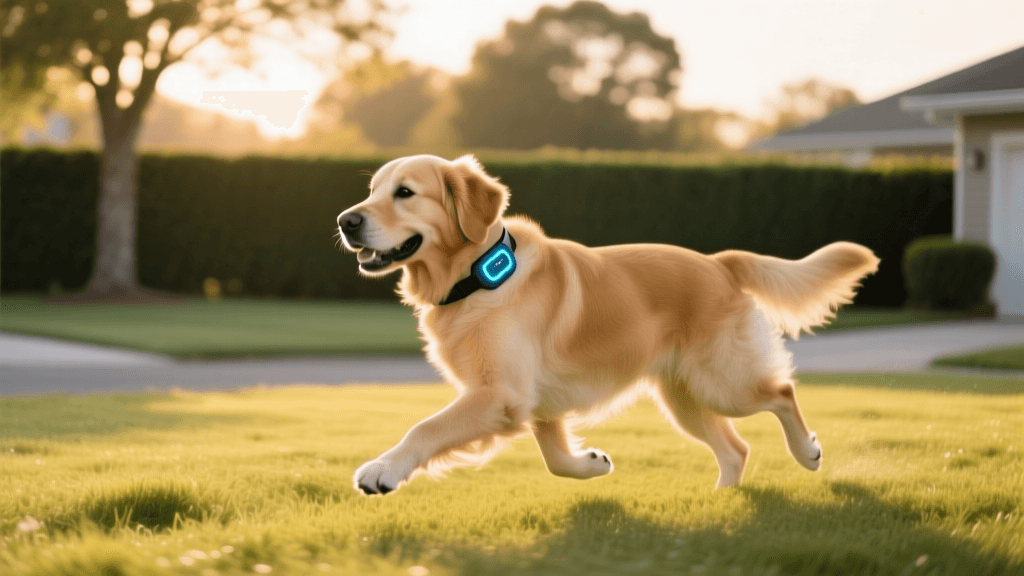
Before integrating technology into your training regimen, it is vital to distinguish between passive GPS trackers and active smart training collars. Passive trackers are primarily designed for location monitoring and activity tracking. They alert your smartphone if your dog escapes a predefined safe zone but offer no direct physical or auditory feedback to the dog. Active smart collars, on the other hand, utilize GPS to create virtual fences, delivering haptic (vibration), auditory, or static feedback to condition the dog to stay within boundaries or return to the handler.
Selecting the right device depends on your specific training goals, your dog's temperament, and your environment. Below is a comparison of popular devices currently dominating the canine tech market.
| Device | Category | Feedback Type | Battery Life | Avg. Cost (USD) |
|---|---|---|---|---|
| Fi Series 3 | Passive GPS Tracker | None (App Alerts Only) | Up to 3 months | $129 + Subscription |
| Whistle Go | Passive GPS Tracker | None (App Alerts Only) | Up to 20 days | $100 + Subscription |
| Halo Collar 3 | Smart GPS Fence | Haptic, Audio, Static | 12-16 hours | $399 + Subscription |
| Garmin Sport Pro | Traditional E-Collar | Haptic, Audio, Static (No GPS) | Up to 60 hours | $299 (No Sub) |
A Tech-Integrated Protocol for Bulletproof Recall
Integrating a smart collar into your recall training requires a systematic approach rooted in classical and operant conditioning. You must never introduce a smart collar's corrective feedback without first teaching the dog what the feedback means. Here is a comprehensive, step-by-step protocol for using GPS boundaries and haptic feedback to condition a reliable recall.
Phase 1: Baseline Mapping and Digital Geofencing
Begin by mapping your training environment using the collar's companion app. Whether you are using a Halo Collar or a similar GPS-enabled system, walk the perimeter of your yard or local park with your smartphone to establish a precise digital boundary. Ensure the boundary is at least 15 feet away from physical hazards like roads or steep drop-offs to account for standard GPS drift, which can vary from 3 to 10 meters depending on satellite coverage and tree canopy.
During this phase, the collar should be turned off or set to 'monitor only.' Allow your dog to wear the device for 30-minute intervals over three consecutive days to acclimate them to the physical weight and bulk of the hardware. The fit should follow the 'one-finger rule'—snug enough that the contact points touch the skin through the coat, but loose enough to slide one finger underneath the strap.
Phase 2: Classical Conditioning of Haptic and Auditory Cues
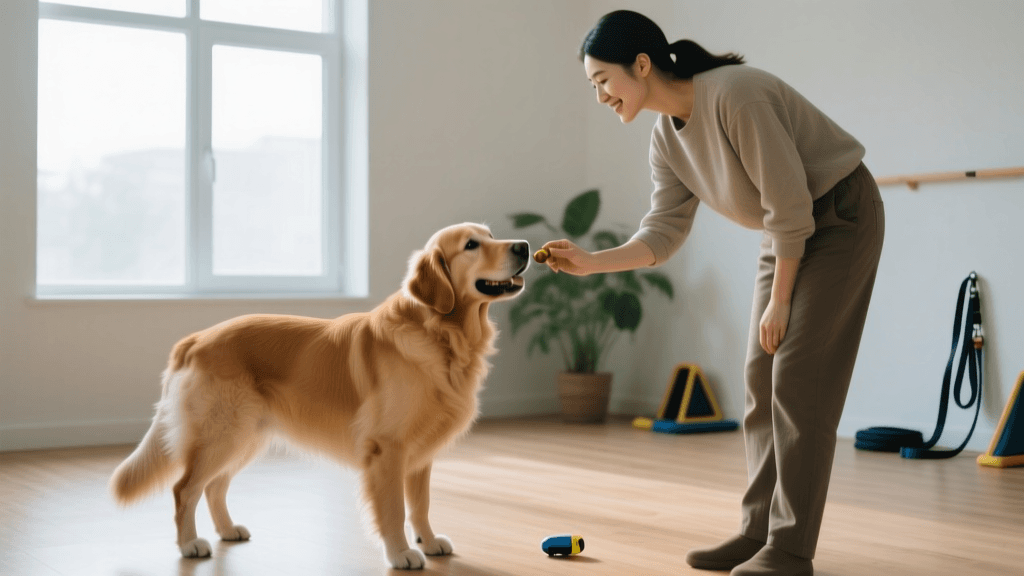
The core of modern tech-assisted training is replacing physical leash pressure with digital cues. Start indoors or in a highly controlled, low-distraction environment. Set the collar to deliver a mild haptic vibration (often labeled as 'tap' or 'vibration' in the app) followed immediately by a high-value reward, such as freeze-dried liver or boiled chicken.
- Press the haptic button on your app or remote.
- The moment the dog feels the vibration, mark the behavior with a verbal 'Yes!' or a clicker.
- Immediately deliver the treat.
Repeat this 15 to 20 times per session, twice a day, for one week. The goal is to create a Pavlovian response where the dog interprets the haptic tap not as a punishment, but as a 'treat dispenser' button. Once the dog visibly perks up and looks for a treat upon feeling the tap, you have successfully conditioned the cue.
Phase 3: Proofing the Recall in High-Distraction Zones
Move to your mapped outdoor geofence. With the collar active, allow your dog to explore. As they approach the digital warning zone (usually a 5-foot buffer before the actual boundary), the collar will emit a warning tone. If they continue forward, they will receive the conditioned haptic tap. The moment they feel the tap and turn back toward you, use your verbal recall cue ('Come!'), praise enthusiastically, and reward heavily.
The ASPCA emphasizes that positive reinforcement is the cornerstone of effective dog training. The technology merely serves as an invisible long-line, providing a gentle interrupter that breaks the dog's focus on the distraction and redirects it back to the handler. Over a period of 4 to 6 weeks, you will notice the dog beginning to self-correct and initiate the recall upon hearing the warning tone, long before the haptic feedback is ever triggered.
Interpreting Telemetry Data for Behavioral Insights
One of the most underutilized aspects of modern dog tech is the behavioral data collected by the companion apps. Devices like the Fi Series 3 or Whistle Go track daily step counts, active minutes, and sleep cycles. This telemetry is invaluable for optimizing your training schedule.
- Activity Baselines: If your dog's app shows they have only achieved 30% of their daily active minutes, they are likely to exhibit hyperactive, easily distracted behavior during recall training. Use this data to initiate a 15-minute vigorous play session or sniffari before beginning formal obedience work.
- Escape Alerts and Heat Maps: GPS apps generate heat maps showing where your dog spends the most time. If you notice your dog is constantly hovering near a specific corner of the geofence, it indicates a high-value environmental distraction (e.g., a neighbor's dog, wildlife scent). This allows you to target that specific area for intensive, high-reward recall proofing.
- Sleep Tracking: Cognitive fatigue impairs a dog's ability to learn. If the app indicates poor sleep quality or shortened rest cycles, pivot from active recall training to passive mental enrichment, such as snuffle mats or lick mats, to avoid frustrating the dog.
Ethical Considerations and Safety Guidelines
While technology offers unprecedented control, it must be wielded responsibly. Static correction should always be a last resort, utilized only when a dog's safety is in immediate jeopardy and after extensive positive reinforcement and haptic conditioning have failed. The vast majority of modern recall training can be achieved using only auditory warnings and haptic taps paired with high-value rewards.
Expert Insight: 'A smart collar is a communication device, not a containment solution. If you rely solely on the hardware to keep your dog safe without building a foundational relationship and a positive emotional response to the recall cue, the dog will eventually learn to tolerate the correction or simply outrun the battery life. Tech should supplement your bond, not replace it.'
Furthermore, always carry a physical backup leash and a traditional flat collar when training in unfenced areas. GPS signals can be obstructed by heavy cloud cover, dense forestry, or solar flares, leading to boundary drift. By combining the precision of modern GPS technology with the time-tested principles of positive reinforcement, you can achieve a level of off-leash freedom and safety that was unimaginable just a decade ago. Consistency, patience, and data-driven adjustments are your keys to success in the modern era of canine obedience.
anouk-beaumont
All our authors care for dogs every day — read more of their work on the authors page.