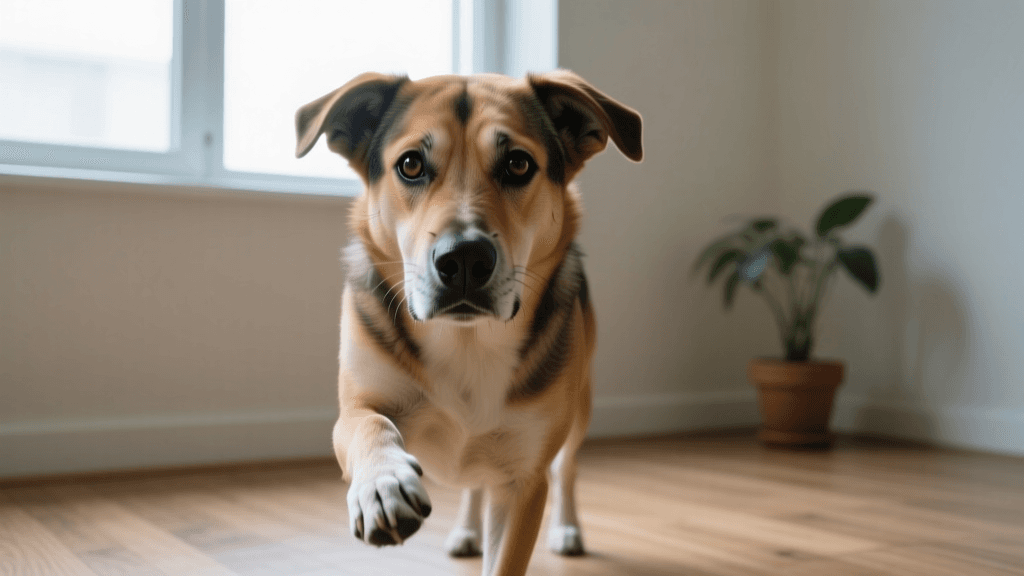
Decoding Separation Anxiety Using Smart Dog Cameras
Discover how smart dog cameras help decode separation anxiety, reveal hidden canine behaviors, and guide effective training for a calmer, happier pup.

The Hidden World of Your Dog's Alone Time
Leaving your dog home alone is one of the most stressful aspects of modern pet ownership. You close the front door, walk away, and immediately wonder: Are they sleeping peacefully? Are they barking at the window? Or are they experiencing the silent panic of separation anxiety? For decades, dog owners had to rely on guesswork, neighbor complaints, or the aftermath of destroyed furniture to understand what happened while they were away. Today, the intersection of canine behavioral psychology and consumer technology has given us a powerful tool: the smart dog camera.
However, simply buying a camera and watching your dog is not enough. To truly benefit from this technology, you must learn to decode your dog's body language, understand the psychological triggers of isolation distress, and use the camera's features to implement targeted behavioral modification. This guide bridges the gap between high-tech gear and deep canine understanding, helping you transform raw video footage into actionable behavioral insights.
Separation Anxiety vs. Isolation Distress: What the Camera Reveals
Before you can analyze the footage, you must understand the psychology behind your dog's behavior. True separation anxiety is a panic disorder triggered specifically by the absence of a primary attachment figure. Isolation distress, on the other hand, is a milder form of anxiety triggered simply by being left alone, regardless of who left. According to the ASPCA, true separation anxiety affects a significant portion of the canine population and requires careful, structured intervention.
A smart camera allows you to differentiate between the two based on timing and intensity. A dog with isolation distress may whine for the first ten minutes after you leave, pace the living room, and eventually settle down on their bed to sleep. A dog with true separation anxiety will exhibit escalating panic that does not resolve on its own, often beginning the exact second the door clicks shut and lasting for hours.
Key Behavioral Indicators to Monitor on Camera
When reviewing your camera's motion-activated clips or live feed, look for these specific micro-behaviors that indicate psychological distress rather than simple boredom:
- Stereotypic Pacing: Repetitive, fixed-path walking (e.g., walking in tight circles or pacing the exact same line by the door) is a coping mechanism for severe stress.
- Whale Eye and Lip Licking: If your dog is staring at the door with the whites of their eyes showing and licking their lips repeatedly, they are exhibiting classic calming signals that indicate high anxiety.
- Door Scratching and Digging: Destruction that is localized strictly to exit points (doors, window sills) is a desperate escape behavior, not a lack of chew toys.
- Panting and Drooling: In a climate-controlled home, heavy panting and sudden drooling are physiological responses to a spike in cortisol and adrenaline.
Top Smart Dog Cameras for Behavioral Monitoring
Not all cameras are created equal when it comes to behavioral analysis. While a basic security camera can show you if your dog is on the couch, a dedicated pet camera offers features specifically designed to help you understand and interact with your dog's psychological state. Below is a comparison of the top gear for canine behavioral monitoring.
| Feature | Furbo 360 Dog Camera | Petcube Bites 2 Lite | Wyze Cam v3 |
|---|---|---|---|
| Approximate Cost | $210 | $100 | $35 |
| Field of View | 360-degree rotating | 165-degree wide angle | 130-degree standard |
| Treat Tossing | Yes (Adjustable distance) | Yes (Fixed distance) | No |
| Smart Alerts | Bark, vomiting, crying | Sound and motion | Sound, motion, smoke |
| Best Behavioral Use | Tracking pacing & counter-conditioning | General monitoring & mild boredom relief | Budget continuous recording |
Furbo 360: The Behavioral Analyst's Choice
The Furbo 360 is widely considered the gold standard for owners dealing with severe anxiety. Its 360-degree rotating lens is crucial for tracking stereotypic pacing, ensuring you can see exactly where your dog is hiding or circling. More importantly, its specialized "Dog Crying" and "Bark" alerts use AI to differentiate between a dog barking at the mailman and a dog whining in distress, sending you a push notification so you can intervene before the anxiety escalates into a full panic attack.
Wyze Cam v3: The Continuous Recording Workhorse
While it lacks treat-tossing capabilities, the Wyze Cam v3 is invaluable for behavioral consultants who need continuous, unedited footage. Because it supports local microSD storage without a mandatory subscription, you can review hours of uninterrupted video to pinpoint the exact "departure cue" (like picking up your keys or putting on shoes) that triggers your dog's initial spike in heart rate and anxiety.
The Two-Way Audio Dilemma: To Speak or Not to Speak?
One of the most heavily marketed features of smart pet cameras is two-way audio. The assumption is that hearing your voice will soothe an anxious dog. However, canine psychology tells a different, more complex story. For a dog with mild boredom or isolation distress, hearing your voice and receiving a treat can be a positive distraction. But for a dog with true separation anxiety, two-way audio can actually be detrimental.
Behaviorists refer to this as "barrier frustration." When a severely anxious dog hears their owner's voice coming from a plastic box but cannot see, smell, or physically reach them, it can cause profound confusion and escalate their panic. They may begin barking at the camera, scratching the wall behind it, or experiencing increased stress because the auditory cue of their owner's presence contradicts the physical reality of their absence. Before using the speaker feature, test it during a short absence. If your dog's pacing worsens or they begin frantically searching the room for you after you speak, disable the audio and rely solely on treat-tossing or automated desensitization protocols.
How to Use Camera Data to Modify Behavior
The American Kennel Club emphasizes that treating separation anxiety requires systematic desensitization and counter-conditioning. Your smart camera acts as the ultimate feedback loop for this training. Here is a practical, actionable protocol to implement using your gear:
Step 1: Identify the Trigger Threshold
Use the camera's continuous recording to identify your dog's trigger. Does the anxiety start when you put on your coat, or only when the door locks? Once you know the exact trigger, you can begin desensitizing your dog to that specific action without actually leaving.
Step 2: The Treat-Tossing Counter-Conditioning
If your camera features a treat tosser (like the Furbo or Petcube), use it to change your dog's emotional response to your absence. Set a schedule to toss a high-value treat every 15 minutes during the first hour you are away. This creates a positive association with your absence and breaks the cycle of continuous pacing by forcing the dog to engage in foraging behavior, which naturally lowers canine stress levels.
Step 3: Graduated Absences with Live Monitoring
Begin leaving the house for micro-durations: one minute, three minutes, five minutes. Watch the live feed on your phone from your car. The moment your dog shows signs of settling (lying down, resting their chin on their paws), return home quietly. If they begin to panic, wait for a brief moment of calm before re-entering so you do not reward the panic. The camera allows you to time your returns perfectly, which is critical for neurological rewiring.
Conclusion: Technology as a Window into the Canine Mind
Smart dog cameras are far more than digital babysitters; they are sophisticated diagnostic tools that allow us to peer into the hidden emotional lives of our pets. By combining the high-definition optics, AI-driven alerts, and interactive features of modern pet tech with a deep, empathetic understanding of canine body language and psychology, you can move beyond guesswork. Whether you are dealing with mild isolation distress or severe separation anxiety, leveraging the right equipment with the right behavioral knowledge is the first step toward giving your dog the peace of mind they deserve when you are away.
marcus-aldridge
All our authors care for dogs every day — read more of their work on the authors page.