How Diet Affects Dog Behavior: The Canine Gut-Brain Link
Discover how the canine gut-brain axis affects your dog's behavior and anxiety. Learn actionable nutrition tips to improve your dog's mood and focus.

The Hidden Driver of Canine Behavior: The Gut-Brain Axis
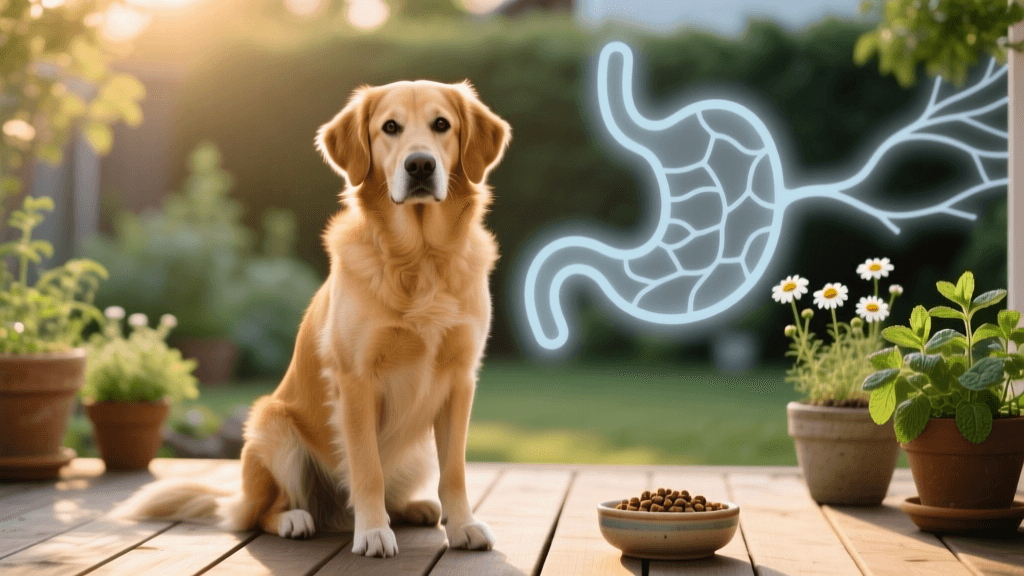
When we attempt to understand our dogs, we often look at their environment, training history, and breed instincts. However, one of the most profound influences on canine psychology and behavior originates entirely out of sight: the gastrointestinal tract. The "gut-brain axis" is a complex, bidirectional communication network that links the enteric nervous system (the gut) with the central nervous system (the brain). In dogs, this connection is primarily facilitated by the vagus nerve, the immune system, and microbial metabolites.
Remarkably, up to 90% of the body's serotonin—the neurotransmitter responsible for regulating mood, anxiety, and happiness—is produced in the gut, not the brain. When a dog suffers from gut dysbiosis (an imbalance of intestinal bacteria), it directly impacts their neurochemistry. This can manifest as unexplained anxiety, hyperactivity, noise phobias, or even aggression. Understanding this biological link is crucial for pet owners who are struggling to correct behavioral issues through training alone.
Recognizing Diet-Induced Behavioral Issues
How do you know if your dog's reactivity or lack of focus is rooted in nutrition rather than a lack of obedience? Veterinary behaviorists increasingly recognize that physical discomfort often masquerades as "bad" behavior. Dogs cannot verbally communicate nausea, bloating, or cramping. Instead, they exhibit avoidance behaviors, resource guarding, or irritability when touched near the abdomen. A dog that suddenly becomes reactive when handled may not be developing dominance or aggression; they may be experiencing severe gastrointestinal distress. Recognizing this distinction is a cornerstone of modern, empathetic dog psychology.
Here are the primary behavioral signs that may indicate a nutritional deficiency or microbiome imbalance:
- Post-Meal Hyperactivity: Diets high in simple carbohydrates and sugars cause rapid blood glucose spikes followed by severe crashes, leading to erratic, hyperactive behavior and an inability to settle.
- Chronic Anxiety and Pacing: A lack of essential amino acids, particularly L-Tryptophan, limits serotonin production, leaving the dog in a constant state of low-grade stress.
- Coprophagia (Eating Feces): While often behavioral, coprophagia can stem from severe malabsorption issues or a lack of specific digestive enzymes and B-vitamins in the gut.
- Poor Impulse Control: Neuroinflammation caused by poor-quality fats (like excess Omega-6 without balancing Omega-3) impairs the brain's frontal lobe function, making impulse control and training retention incredibly difficult.
Key Nutrients for a Calm, Focused Dog
To support a healthy gut-brain axis, specific nutrients must be present in your dog's diet. Below is a structured guide to the most impactful behavioral nutrients, including recommended dosages and estimated costs.
| Nutrient/Supplement | Behavioral Benefit | Recommended Dosage/Type | Estimated Monthly Cost |
|---|---|---|---|
| Omega-3 Fatty Acids (EPA/DHA) | Reduces neuroinflammation, supports cognitive function and focus. | 50-100mg combined EPA/DHA per kg of body weight daily (Fish Oil). | $15 - $35 |
| L-Tryptophan | Precursor to serotonin; promotes relaxation and reduces fear-based aggression. | 10-15mg per kg of body weight (Consult your veterinarian first). | $10 - $25 |
| Bifidobacterium longum (BL999) | Clinically shown to reduce anxiety-like behaviors and improve socialization. | 1 sachet (10^9 CFU) daily (e.g., Purina Calming Care). | $35 - $50 |
| Prebiotic Fiber (Pumpkin/Inulin) | Feeds beneficial gut bacteria, stabilizes blood sugar to prevent mood swings. | 1 teaspoon per 10 lbs of body weight daily (Plain canned pumpkin). | $5 - $15 |
Actionable Diet Changes for Behavioral Modification
1. Audit and Transition the Base Diet
Begin by evaluating your dog's current food. Look for a diet where the primary energy source is complex carbohydrates and high-quality proteins, rather than high-glycemic fillers like corn syrup or excessive white rice. If you decide to switch to a gut-friendly, high-protein, or limited-ingredient diet, you must transition slowly to avoid worsening gastrointestinal distress. Use the 7-to-10-day transition method:
- Days 1-3: 25% new food, 75% old food.
- Days 4-6: 50% new food, 50% old food.
- Days 7-9: 75% new food, 25% old food.
- Day 10: 100% new food.
2. Introduce Targeted Behavioral Supplements
For dogs exhibiting severe noise phobias (like thunderstorms or fireworks) or separation anxiety, targeted probiotics can be life-changing. According to research highlighted by the Purina Institute, the specific probiotic strain Bifidobacterium longum BL999 has been shown to reduce cortisol levels and anxiety-related behaviors in dogs. Products like Purina Pro Plan Veterinary Supplements Calming Care typically cost around $40 for a 30-day supply. It is vital to administer this supplement daily, as the behavioral benefits compound over 4 to 6 weeks of consistent use.
3. Stabilize Blood Sugar with Fiber and Fats
If your dog struggles with impulse control during training sessions, stabilize their blood sugar. Adding a teaspoon of plain, unsweetened canned pumpkin (a rich prebiotic fiber) and a pump of high-quality Omega-3 fish oil (such as Nordic Naturals Omega-3 Pet, approx. $25) to their morning meal can provide sustained mental energy. The American Kennel Club (AKC) notes that maintaining a healthy gut flora through prebiotics and probiotics is essential for overall immune and neurological health.
The Science of Nutrition and Canine Psychology
"Behavior is not just a product of the mind; it is a product of the entire biological system. When the gut is inflamed, the brain is inflamed. We cannot expect a dog to exhibit behavioral flexibility if their neurochemistry is compromised by poor nutrition."
— Consensus perspective from modern veterinary behaviorists.
Experts at the Tufts University Cummings Veterinary Medical Center emphasize that the gut microbiome plays a foundational role in a dog's systemic health, which inherently includes behavioral stability. The bacteria in your dog's gut produce short-chain fatty acids (SCFAs) like butyrate, which cross the blood-brain barrier and directly influence brain function and stress responses. A diet lacking in fermentable fibers starves these beneficial bacteria, leaving the dog biologically predisposed to stress.
Monitoring Progress and Knowing When to Pivot
Nutritional interventions for behavior are not overnight fixes. The canine microbiome takes roughly 4 to 6 weeks to shift and stabilize after a dietary change or the introduction of a new probiotic. Keep a "Behavior and Food Journal" to track your dog's daily reactivity, focus during training, and stool quality. Rate their daily anxiety on a scale of 1 to 10.
Stool quality is your most immediate window into the gut-brain axis. Ideal stool should be firm, moist, and easy to pick up (often scored as a 2 or 3 on the 9-point Purina Fecal Scoring System). Chronic soft stools, excessive gas, or straining indicate that the gut lining is compromised, meaning neurotransmitter production is likely suboptimal.
If, after 6 weeks of consistent, high-quality nutritional support and targeted supplementation, you see no improvement in your dog's anxiety or reactivity, it is time to pivot. At this stage, consult a board-certified veterinary behaviorist. They can rule out underlying medical conditions, such as hypothyroidism or neurological disorders, and work in tandem with your diet to create a comprehensive behavior modification plan. Understanding your dog means recognizing that their mind and body are one interconnected system, and true behavioral healing often begins in the bowl.
jonas-cole
All our authors care for dogs every day — read more of their work on the authors page.