Small vs. Large Breed Puppy Care: First Year Guide
Discover key differences in small vs large breed puppy care. Compare feeding, potty training, teething, and socialization milestones for year one.
Introduction: Why Size Matters in Puppy Care
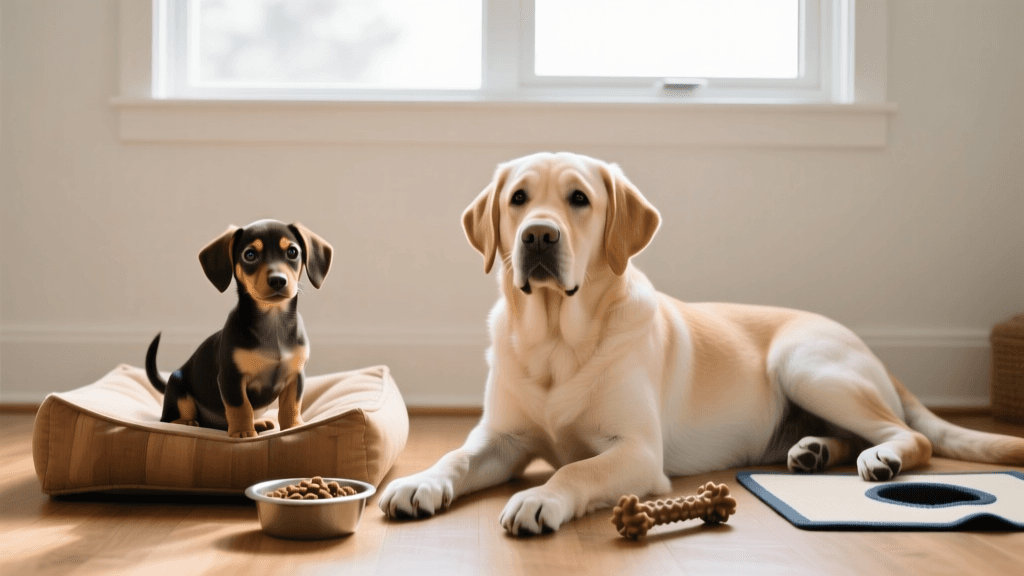
Welcoming a new puppy into your home is an exhilarating milestone, but the care required during their first year varies drastically depending on their expected adult size. Whether you are bringing home a pint-sized Chihuahua or a towering Great Dane, understanding the physiological and developmental differences between small and large breed puppies is critical. From metabolic rates and potty training timelines to teething habits and joint-safe socialization, a one-size-fits-all approach simply does not work. This comprehensive guide breaks down the essential first-year care requirements, comparing small breeds (under 20 lbs) and large breeds (over 55 lbs) to help you navigate your puppy's crucial developmental milestones.
Feeding Schedules and Nutritional Needs
Nutrition is the foundation of your puppy’s first year, and size dictates both the type of food and the feeding schedule. The metabolic rates and growth velocities of small and large breeds are polar opposites.
Small Breed Feeding Requirements
Small and toy breed puppies possess incredibly fast metabolisms but minuscule stomachs. Because they burn through calories rapidly, they are highly susceptible to hypoglycemia (dangerously low blood sugar). To prevent this, small breed puppies should be fed three to four times a day using a calorie-dense, small-kibble formula specifically designed for toy breeds, such as Royal Canin Size Health Nutrition Small Puppy or Purina Pro Plan Toy Breed Puppy. The smaller kibble size accommodates their tiny jaws and helps prevent choking. Expect to spend approximately $40 to $60 per month on premium small-breed puppy food. Remember the 10% rule: treats should never exceed 10% of their daily caloric intake to prevent obesity, which is devastating to tiny joints.
Large Breed Feeding Requirements
Conversely, large and giant breed puppies grow at an explosive rate, making them prone to developmental orthopedic diseases like hip dysplasia and osteochondrosis. The ASPCA emphasizes that large-breed puppies require diets with strictly controlled calcium and phosphorus levels to ensure their bones grow at a safe, steady pace. You must select a food labeled specifically for "Large Breed Puppies," such as Hill's Science Diet Large Breed Puppy. Feed them three times a day until they are six months old, then transition to twice a day. Overfeeding is a common and dangerous mistake; follow the feeding chart on the bag based on their projected adult weight, not their current weight. Due to their massive appetites, expect monthly food costs to range from $90 to $150.
Potty Training Timelines and Bladder Capacity
Potty training tests the patience of every new owner, but your puppy's physical size determines their biological limitations.
The general rule of thumb for bladder control is that a puppy can hold it for one hour per month of age, plus one. However, this rule applies more accurately to medium and large breeds. A two-month-old Labrador Retriever might manage three hours between potty breaks. A two-month-old Yorkshire Terrier, with a bladder the size of a walnut, may need to eliminate every 45 to 60 minutes.
Small Breed Potty Tips:
- Indoor Options: Because toy breeds cannot hold it long and are highly sensitive to cold or heavy rain, consider setting up an indoor potty station using washable pee pads or a real-grass patch like DoggieLawn.
- Crate Sizing: Use a 24-inch crate. If the crate is too large, they will instinctively soil one corner and sleep in the other.
Large Breed Potty Tips:
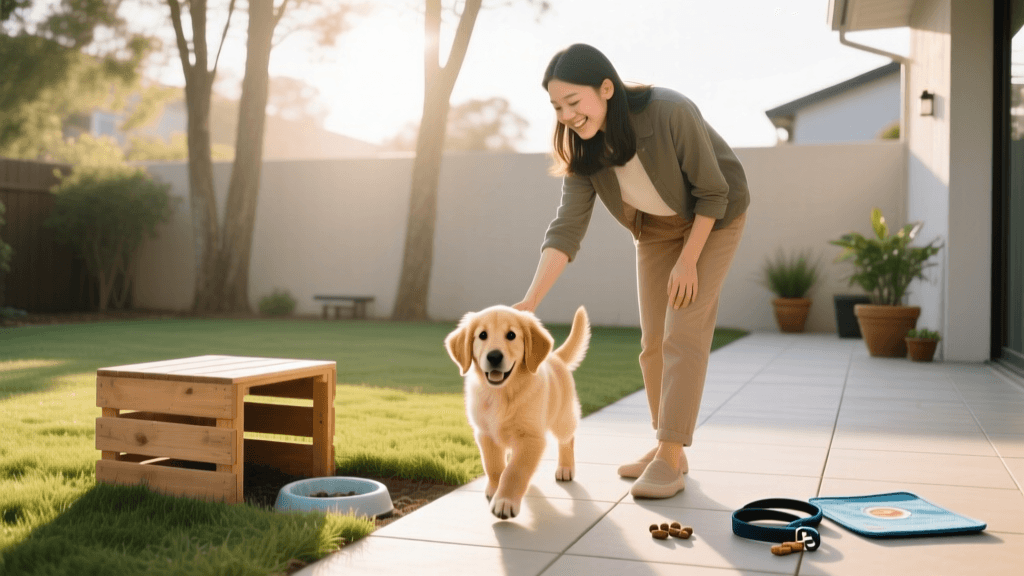
- Outdoor Focus: Large breeds should be trained to go outside exclusively to avoid the logistical nightmare of an 80-pound dog using an indoor pee pad.
- Crate Sizing: Purchase a 42-inch or 48-inch wire crate with an adjustable divider panel. Expand the space only as the puppy grows to maintain the den instinct that discourages soiling.
- Cleanup: Accidents will be voluminous. Keep an enzymatic cleaner like Nature's Miracle Advanced Stain and Odor Eliminator on hand to completely break down uric acid crystals and prevent repeat offenses.
Teething and Chew Toy Selection
Puppies begin losing their deciduous (baby) teeth around 12 to 16 weeks of age, with the teething process concluding by 6 to 7 months. While the timeline is similar across breeds, the physical impact and risks vary dramatically by size.
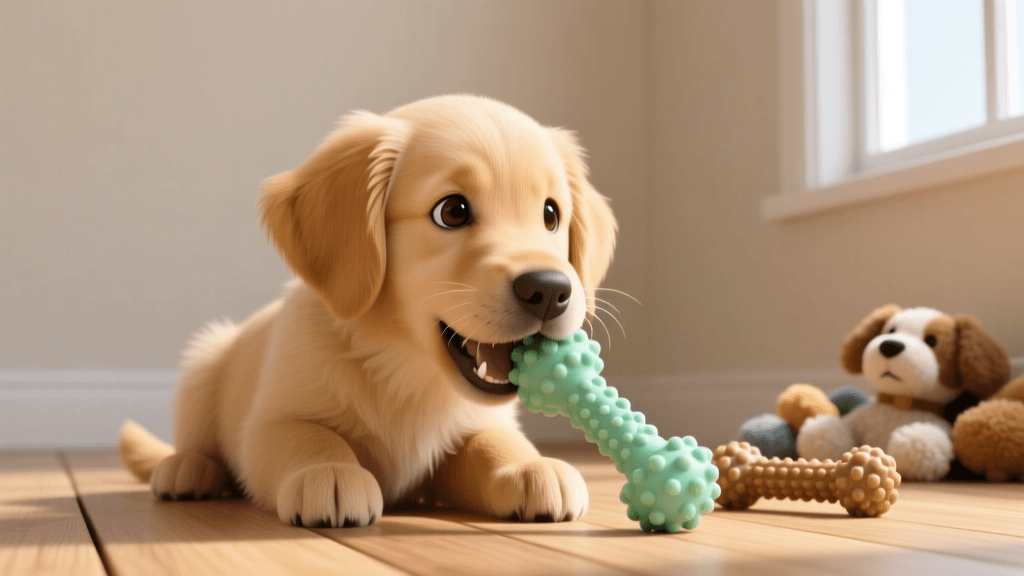
Small breed dogs, particularly brachycephalic (flat-faced) breeds and toys, often suffer from retained deciduous teeth because their adult teeth crowd their small jaws. Daily tooth brushing with an enzymatic poultry-flavored toothpaste like Virbac CET should start at 8 weeks to build a habit and monitor tooth eruption. For chewing, opt for softer, flexible toys like the KONG Puppy (Pink or Blue) to avoid fracturing their delicate teeth.
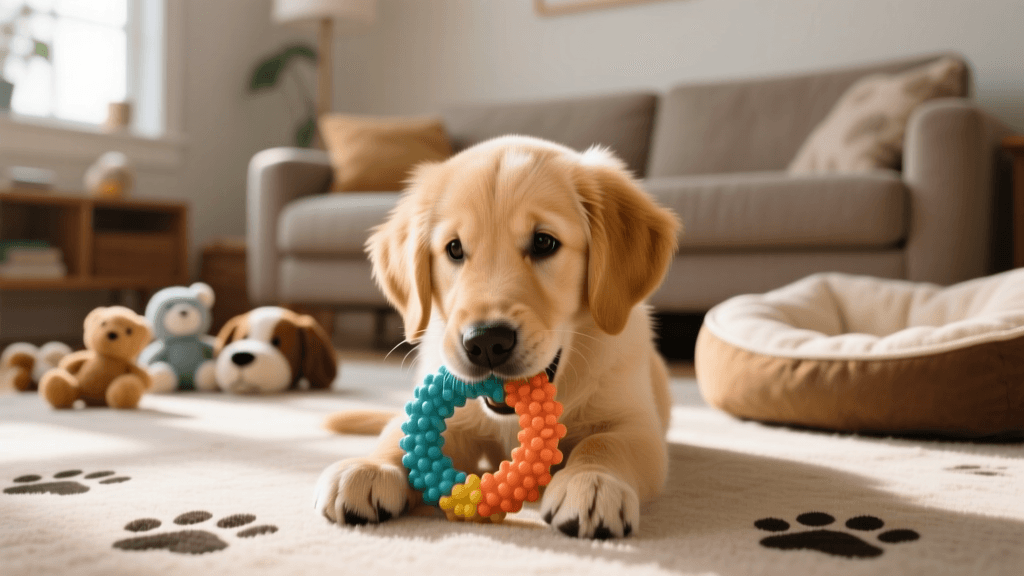
Large breed puppies have immense jaw strength and a relentless urge to chew that can quickly destroy baseboards, shoes, and expensive furniture. You must provide heavy-duty, safe alternatives. The KONG Extreme (Black) or Nylabone Power Chew are excellent for large breed teenagers. Avoid rawhide, which poses a severe intestinal blockage risk for large dogs that tend to "gulp" rather than chew. Instead, offer frozen carrots or ice cubes to soothe inflamed gums safely.
Early Socialization and Joint Health
The primary socialization window closes between 12 and 16 weeks of age. According to the American Kennel Club (AKC), exposing your puppy to diverse environments, sounds, and people during this window is vital for long-term behavioral health. However, how you socialize them must respect their physical vulnerabilities.
"Proper socialization is not just about meeting other dogs; it is about teaching your puppy how to remain calm, neutral, and confident in a chaotic world."
Before completing their core vaccine series (usually around 16 weeks), puppies are highly vulnerable to Parvovirus. For small breed puppies, you can safely socialize them by carrying them in a sling or placing them in a pet stroller, allowing them to observe the world without their paws touching contaminated public soil. Large breed puppies, which cannot easily be carried past 20 lbs, must be socialized in controlled, private environments or carried into pet-friendly hardware stores in a shopping cart.
Furthermore, physical exercise must be strictly monitored to protect developing growth plates. The American Veterinary Medical Association (AVMA) warns against forced, repetitive exercise (like jogging or fetching on hard surfaces) for large breed puppies. Stick to the "5-minute rule": 5 minutes of structured walking per month of age, twice a day. A 4-month-old Great Dane should only have 20 minutes of structured leash walking at a time, focusing heavily on loose-leash training rather than distance.
Comparison Chart: Small vs. Large Breed Milestones
| Care Aspect | Small Breeds (Under 20 lbs) | Large Breeds (Over 55 lbs) |
|---|---|---|
| Weaning to Solid Food | 4 to 6 weeks (requires kibble soaked in warm water) | 3 to 5 weeks (larger litters may wean slightly faster) |
| Feeding Frequency (2-6 mos) | 3 to 4 times daily (prevent hypoglycemia) | 3 times daily (prevent rapid bone growth) |
| Potty Training Duration | 4 to 8 months (smaller bladders take longer to mature) | 2 to 4 months (larger capacity, faster physical control) |
| Teething Risks | Retained baby teeth, crowded adult teeth | Destructive chewing, swallowing large toy pieces |
| Growth Plate Closure | 8 to 12 months | 18 to 24 months (strict exercise limits required) |
Conclusion
Raising a puppy is a profound commitment that requires tailored strategies based on their unique genetic blueprint. By understanding the distinct nutritional needs, potty training realities, teething hazards, and socialization requirements of small versus large breeds, you set the stage for a healthy, well-adjusted adult dog. Always consult with your veterinarian to establish a personalized care and vaccination plan, ensuring your new companion thrives through their critical first year and beyond.
hannah-wickes
All our authors care for dogs every day — read more of their work on the authors page.