Shikoku Inu Instincts & Body Language: 2026 Owner Guide
Discover the unique psychology, primitive instincts, and body language of the Shikoku Inu. Essential 2026 training and care tips for this rare Japanese breed.
The Rise of the Shikoku Inu in 2026
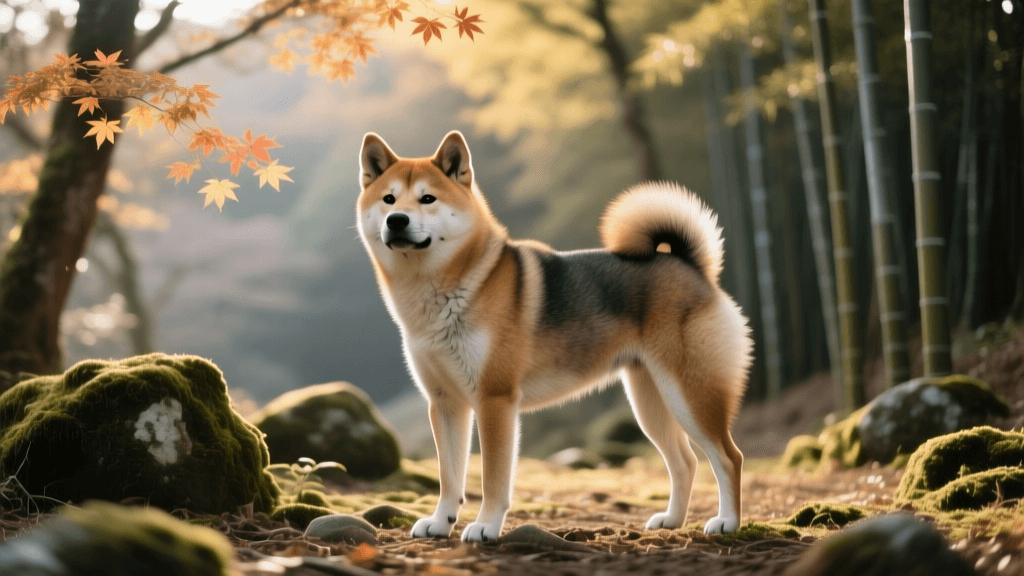
As global interest in rare, primitive dog breeds continues to surge in 2026, the Shikoku Inu has captured the attention of experienced canine enthusiasts. Originating from the mountainous Kochi Prefecture in Japan, this medium-sized spitz breed was historically used for hunting wild boar and deer. Unlike highly domesticated companion breeds, the Shikoku retains a raw, untamed edge that requires a deep understanding of canine psychology. To live harmoniously with a Shikoku, owners must look beyond basic obedience and delve into the ancient instincts, unique body language, and specialized care requirements that define the breed today.
The Psychology of the Nihon Ken
The Shikoku belongs to the prestigious Nihon Ken (Japanese Dog) family, which also includes the Shiba Inu, Akita, Kishu, Shikoku, and Kai Ken. The psychology of these breeds is governed by three core tenets established by the Nihon Ken Hozonkai (NIPPO): Kan-i (spirit and alertness), Ryosei (loyalty and obedience), and Soboku (natural, rustic beauty). Understanding these tenets is crucial for modern owners.
Kan-i dictates the Shikoku’s intense environmental awareness. In 2026, where urban environments are highly stimulating, a Shikoku’s Kan-i manifests as hyper-vigilance. They are not nervous dogs; rather, they are constantly processing sensory data. Ryosei means their loyalty is fiercely directed toward their immediate family, often resulting in aloofness or outright indifference toward strangers. They do not seek the approval of the general public, making them poor candidates for therapy work but exceptional, devoted home companions. Finally, Soboku reflects their unrefined, primitive nature. They do not possess the eager-to-please biddability of a Golden Retriever; instead, they operate with a feline-like independence, making choices based on logic and instinct rather than a desire to obey.
Decoding Primitive Body Language
Reading a Shikoku Inu requires abandoning typical domestic dog expectations. Their communication is subtle, swift, and deeply rooted in their spitz heritage.
The Ears: Radar Dishes of the Mountain
Unlike the floppy ears of hounds or the perpetually pinned-back ears of submissive breeds, the Shikoku’s ears are highly mobile. When relaxed, they may swivel independently to track the sound of a squirrel three blocks away. When alert, they prick sharply forward. However, a Shikoku greeting a beloved owner will often pin their ears flat against their skull while squinting their eyes—a gesture that, in other breeds, might indicate fear, but in the Nihon Ken, is a profound display of affection and submission.
The Tail: More Than Just a Curl
The Shikoku’s tail is a thick, curled plume that serves as a counterbalance when navigating steep, rocky terrain. According to the FCI breed standard, the tail must be carried over the back. However, the type of curl matters. A maki (full curl) indicates a relaxed, confident state. A sashi (sickle or semi-curl) often appears when the dog is focused or on the move. If a Shikoku suddenly drops its tail while on a hike, it is an immediate red flag indicating either the detection of a large predator (like a bear or cougar) or severe environmental stress.
The Eyes and the 'Shikoku Smile'
The Shikoku possesses dark, triangular, deeply set eyes that give them a piercing, almost wolf-like gaze. When they are happy or anticipating a hunt, they exhibit what breed enthusiasts call the 'Shikoku Smile'—the lips are pulled back slightly, the eyes squint, and the ears drop. It is a joyful expression, but to an untrained eye, it can mistakenly look like a snarl.
Vocalizations: The Quiet Communicators
Prospective owners researching breeds in 2026 will be relieved to know that the Shikoku is remarkably quiet. They are not nuisance barkers. Instead, they utilize a range of primitive vocalizations. They may 'grumble' or 'talk' when they are annoyed or disagree with a command. When they do vocalize an alert, it is a sharp, single, piercing bark designed to warn the family of an intruder or to signal the location of cornered boar. They also utilize a high-pitched whine when frustrated by a barrier, such as a fence separating them from a passing deer.
Essential 2026 Gear for High-Prey Drive Hounds
Managing a Shikoku’s explosive prey drive requires modern technology and specialized gear. Their instinct to chase is hardwired, and their speed is astonishing. Here is the essential 2026 gear setup for Shikoku owners:
- GPS Tracking Collar: The Fi Series 4 GPS Collar (retailing at $149 in 2026) is mandatory. Its satellite-backed tracking and escape alerts provide peace of mind if your Shikoku slips the leash to chase a rabbit.
- Long Line Training: A 30-foot Biothane tracking leash ($65) is essential. Biothane is waterproof, dirt-proof, and won't burn your hands during a sudden lunge. Avoid retractable leashes entirely, as they encourage pulling and can snap under the force of a 45-pound dog hitting top speed.
- Secure Fencing: A standard 4-foot privacy fence is insufficient. Shikokus are athletic climbers and jumpers. A minimum 6-foot fence equipped with inward-facing coyote rollers (approx. $25 per linear foot) is required to prevent them from scaling the perimeter.
- Mental Enrichment: Because they are primitive hunters, physical exercise is not enough. The Outward Hound Nina Ottosson Dog Brick puzzle toy ($18) forces them to use their problem-solving skills to extract high-value treats, mimicking the mental exertion of tracking and foraging.
Breed Comparison: Shikoku vs. Shiba Inu vs. Kishu Ken
To truly understand the Shikoku, it helps to compare them to their more famous cousins. The following table highlights the behavioral and physical distinctions among the Nihon Ken breeds.
| Trait | Shikoku Inu | Shiba Inu | Kishu Ken |
|---|---|---|---|
| Primary Historical Prey | Wild Boar, Deer | Small Game, Birds | Deer, Boar |
| Prey Drive Intensity | Extreme (Explosive) | High (Persistent) | Very High (Stalking) |
| Aloofness with Strangers | Moderate to High | Very High | Moderate |
| Average Weight | 35 - 55 lbs | 17 - 23 lbs | 30 - 60 lbs |
| Trainability / Biddability | Low (Independent) | Very Low (Stubborn) | Low (Handler-Focused) |
Training Strategies for the Independent Mind
Training a Shikoku Inu is an exercise in negotiation rather than dictation. Because they lack the innate desire to please humans simply for the sake of praise, positive reinforcement must be high-value and strategic.
The Reality of Recall Training
According to the American Kennel Club's Shikoku breed profile, this breed is intensely focused on its environment, making off-leash recall notoriously difficult. In 2026, expert consensus dictates that a Shikoku should never be trusted off-leash in an unenclosed area, regardless of how much recall training they have completed. The sight of a fleeing deer will instantly override years of conditioning. Instead of fighting their nature, owners should focus on 'check-in' behaviors on a long line, rewarding the dog heavily every time they voluntarily look back at the handler while exploring.
Socialization vs. Habituation
Traditional socialization—forcing a dog to interact with strangers and other dogs—can backfire with a Shikoku, causing them to become defensive. Instead, focus on habituation. Take your Shikoku to busy environments, sit on a bench at a distance, and reward them for remaining calm and neutral. The goal is not to make them love everyone; the goal is to make them indifferent to the chaos of the modern world. This respects their Kan-i while ensuring they are safe and manageable in public spaces.
Conclusion
The Shikoku Inu is not a dog for the faint of heart, nor is it a beginner's pet. They are a living piece of Japanese history, possessing a wild spirit and a deeply ingrained hunting psychology. By understanding their unique body language, respecting their primitive instincts, and utilizing modern 2026 management tools like advanced GPS tracking and secure containment, owners can forge an incredibly rewarding bond. The Shikoku will not be your obedient shadow, but they will be your most loyal, fascinating, and authentic companion.
marcus-aldridge
All our authors care for dogs every day — read more of their work on the authors page.