Shelter Dog Stress Signals: The 2026 Adoption Guide
Learn to decode shelter dog stress signals and body language before adopting. Our 2026 guide helps you read canine communication for a successful match.
Introduction to Canine Communication in Shelters
Adopting a rescue dog is one of the most rewarding experiences a person can have, but the environment in which you meet these dogs is far from natural. As we navigate the shelter landscape in 2026, many facilities have adopted incredible enrichment protocols, yet the reality remains: a shelter is a loud, chaotic, and highly stressful environment for a dog. Because of this, the dog you meet in a concrete kennel is rarely showing you their true, decompressed personality. To make a successful and safe adoption match, it is absolutely critical to understand canine communication and recognize shelter dog stress signals before you sign the paperwork.
Reading a dog's body language is the foundation of a lifelong bond. When you bring a new dog home, understanding their subtle cues helps you build trust, prevent behavioral fallout, and ensure a smooth transition. This guide will walk you through the specific stress signals, calming cues, and communication methods you need to look for when visiting a shelter or foster home in 2026.
The 2026 Shelter Environment and Masked Behaviors
Modern animal shelters in 2026 are vastly improved compared to a decade ago. Many now utilize the Fear Free Shelter Program, which emphasizes reducing fear, anxiety, and stress through specialized housing, soundproofing, and scent enrichment. However, even the best shelter cannot replicate a quiet living room. The constant barking, unfamiliar smells, and rotating cast of strangers cause a spike in cortisol levels for most resident dogs.
This chronic stress can cause dogs to display 'masked' behaviors. A highly stressed dog might shut down and appear 'calm' or 'lazy' in the kennel, only to exhibit hyperactivity or reactivity once they are in a home environment. Conversely, a dog that is simply overstimulated and frustrated by the kennel barrier might be mislabeled as 'aggressive' or 'unmanageable.' Learning to read the Humane Society of the United States' body language guidelines will help you see past the kennel stress and evaluate the dog sitting in front of you.
Decoding Facial Expressions and Ear Positions
A dog's face is a canvas of communication. While humans rely heavily on vocalizations, dogs rely on micro-expressions. When evaluating a potential adoption, look closely at the following facial cues:
Whale Eye and Hard Stares
'Whale eye' occurs when a dog turns its head slightly away from a stressor but keeps its eyes fixed on it, exposing the white sclera in a crescent moon shape. This is a profound distance-increasing signal that indicates high anxiety and a potential for defensive biting if the stressor does not retreat. A 'hard stare'—a rigid, unblinking gaze directed at a person or another dog—is another warning sign of escalating tension.
Lip Licking and Yawning
Unless the dog is actively eating or has just woken up from a deep sleep, repetitive lip licking and yawning are classic 'displacement behaviors.' These are canine calming signals used to self-soothe in uncomfortable situations or to signal to a human that they are feeling pressured. If you reach into a kennel to pet a dog and they repeatedly lick their lips or yawn, they are politely asking for space.
Ear Positioning
Ears tell a massive part of the story. Ears pinned flat against the skull usually indicate fear, submission, or extreme stress. Ears pricked sharply forward indicate high arousal, curiosity, or potential reactivity. A relaxed dog in a comfortable environment will typically hold their ears in a neutral, natural position for their specific breed mix.
Body Posture and Tail Dynamics
The way a dog carries its weight and moves its tail provides vital context to their emotional state.
The Myth of the Wagging Tail
One of the most dangerous misconceptions in canine communication is that a wagging tail equals a happy dog. A tail wag simply indicates arousal or willingness to interact—it does not dictate the *emotion* behind that interaction. A stiff, high, rapidly vibrating tail is a massive red flag indicating high arousal and potential aggression. A low, slow wag tucked near the belly indicates insecurity and fear. A relaxed, sweeping 'helicopter' wag that involves the dog's entire wiggling body is generally a sign of genuine joy and friendliness.
Weight Distribution and Freezing
A confident, relaxed dog stands with weight evenly distributed on all four paws. A fearful dog will shift their weight backward, preparing to flee, often tucking their tail tightly beneath them. Conversely, a dog leaning heavily forward with a rigid spine is preparing to engage or lunge. The most critical, yet easily missed, signal is 'freezing.' If a dog becomes completely rigid and still while being petted or handled, they are at the end of their tolerance threshold and may bite without further warning.
Shelter Dog Stress Signals Assessment Table
Use this quick-reference table during your shelter visits to decode what a dog is trying to tell you in real-time.
| Signal Observed | Canine Emotion | What It Means | How You Should React |
|---|---|---|---|
| Yawning / Lip Licking | Mild to Moderate Stress | The dog is feeling pressured and trying to self-soothe. | Stop advancing, avert your eyes, and offer space. Let the dog approach you. |
| Whale Eye (Half-moon sclera) | High Anxiety / Fear | The dog feels trapped and is warning you to back off. | Immediately stop what you are doing and slowly back away. Do not reach out. |
| High, Stiff, Rapid Tail Wag | High Arousal / Tension | The dog is overstimulated and potentially reactive. | Do not attempt to pet. Redirect with a scent game or toss treats on the floor. |
| Freezing / Rigid Body | Severe Stress / Impending Bite | The dog has shut down and is at their absolute limit. | Cease all interaction immediately. Give the dog an escape route. |
| Play Bow / Loose Wiggles | Comfort / Joy | The dog is relaxed, inviting interaction, and feeling safe. | Engage in gentle play, offer treats, and speak in a calm, encouraging tone. |
Practical Steps for Your 2026 Shelter Visit
When you visit a shelter, do not simply walk down the aisles making eye contact with every dog in a kennel. This triggers barrier frustration and stress. Instead, ask the staff to bring a dog to a quiet, neutral meet-and-greet room. According to the ASPCA's Dog Behavior resources, evaluating a dog in a neutral space drastically reduces kennel-induced reactivity.
The Consent Test
Once in the room, ignore the dog for the first few minutes. Sit sideways, avoid direct eye contact, and let them investigate you. If the dog approaches and nudges you, initiate the 'Consent Test.' Pet the dog gently on the chest or shoulder for three seconds, then pull your hand away. If the dog leans in, nudges you, or stays close, they are consenting to more interaction. If they turn away, lick their lips, or walk off, respect their boundary. A dog that consents to handling in a shelter environment is showing a high degree of resilience and sociability.
Bring the Right Tools
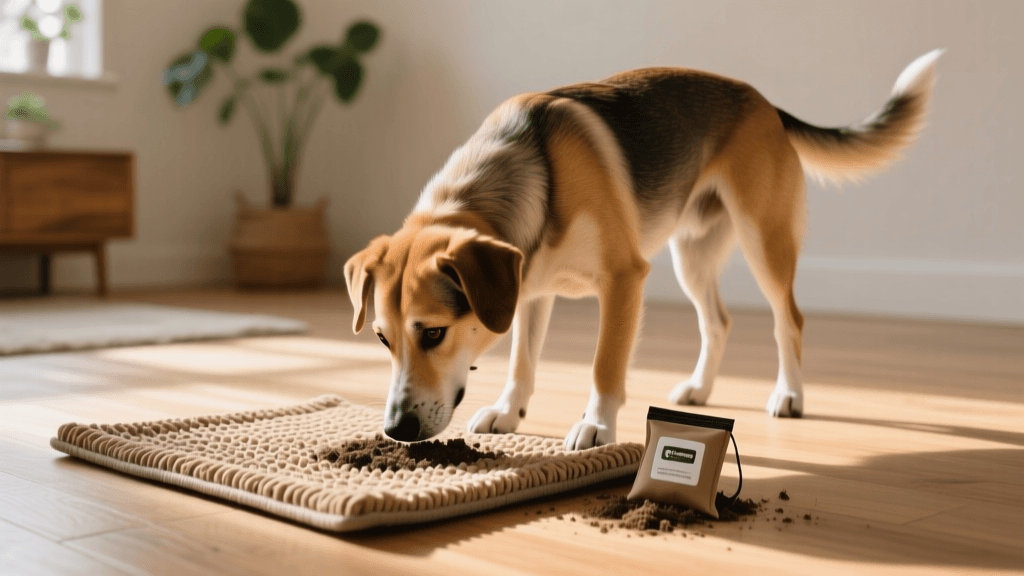
In 2026, savvy adopters bring a 'meet-and-greet kit.' This should include a long-line leash (15 feet) to allow the dog to explore without feeling trapped, high-value treats like freeze-dried liver to test food motivation, and a simple snuffle mat. Watching a dog engage with a snuffle mat can tell you a lot about their ability to self-regulate; sniffing naturally lowers a dog's heart rate and provides insight into their problem-solving skills and confidence.
Post-Adoption: The Decompression Phase
Even if you are an expert at reading shelter stress signals, you must prepare for the '3-3-3 Rule' of adoption. The first 3 days, your new dog may be overwhelmed, scared, and unsure of their surroundings. They may hide, refuse to eat, or test boundaries. During the first 3 weeks, they begin to settle, learn your routine, and show their true personality—which includes revealing any behavioral quirks or anxieties. By 3 months, they finally feel secure and build a deep bond of trust with you.
During the initial decompression phase, keep your home quiet, limit visitors, and rely heavily on the calming signals you learned to identify at the shelter. By respecting their communication from day one, you lay the groundwork for a confident, happy, and deeply bonded companion for years to come.
marcus-aldridge
All our authors care for dogs every day — read more of their work on the authors page.