Sensory-Safe Decompression Zones for Reactive Dogs: 2026 Guide
Learn how to build a sensory-safe decompression zone for your reactive dog in 2026. Reduce trigger stacking with visual, auditory, and olfactory tools.
The Hidden Toll of Trigger Stacking in Reactive Dogs
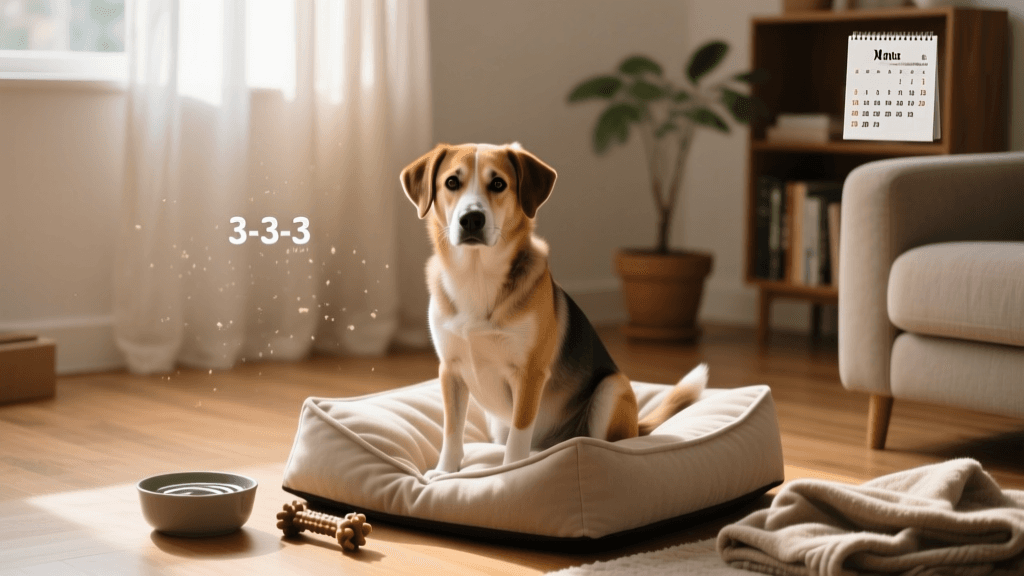
Living with a leash-reactive or barrier-frustrated dog in a modern urban environment presents unique challenges. For dogs that suffer from anxiety, hyper-vigilance, or reactivity, the home should be a sanctuary. However, without proper environmental management, your home can inadvertently become a source of chronic stress. In 2026, veterinary behaviorists heavily emphasize the concept of 'trigger stacking' and the physiological toll it takes on the canine nervous system. When a reactive dog barks at a delivery driver through the window, lunges at a neighbor in the hallway, or hears a sudden siren, their body releases a surge of cortisol and adrenaline.
According to behavioral experts cited by the American Kennel Club (AKC), it can take anywhere from 24 to 72 hours for a dog's cortisol levels to return to baseline after a single reactive episode. If your dog is exposed to multiple triggers daily without a chance to decompress, they exist in a state of chronic trigger stacking. This makes them more volatile, harder to train, and deeply unhappy. Creating a dedicated, sensory-safe decompression zone is no longer just a luxury; it is a fundamental requirement for managing a reactive dog's mental health in 2026.
Core Elements of a 2026 Decompression Zone
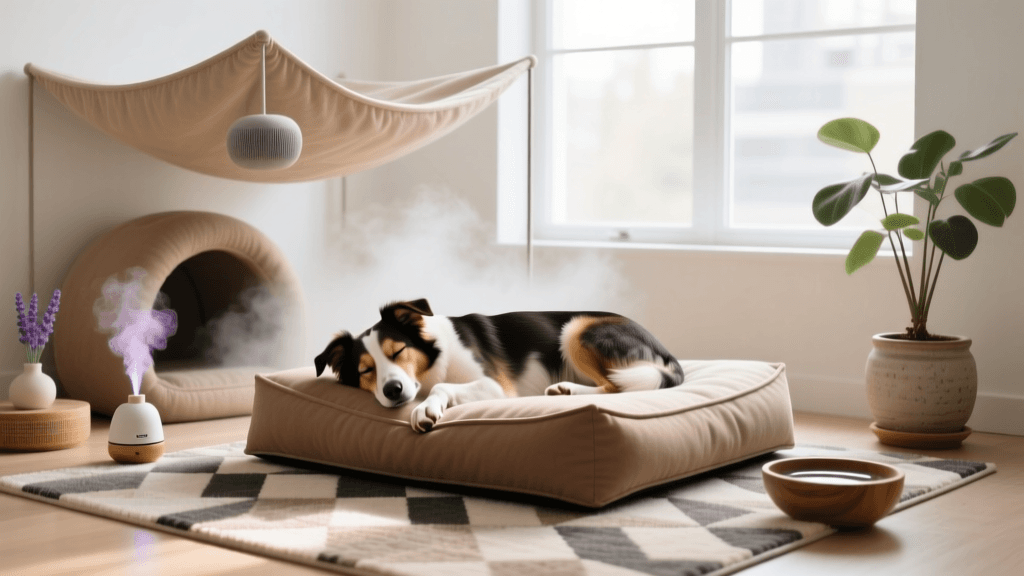
A true decompression zone is not simply a crate or a dog bed in the corner of a busy living room. It is a carefully curated environment designed to systematically lower a dog's heart rate, reduce sensory input, and encourage natural calming behaviors. Here is how to build one using the latest evidence-based techniques.
1. Visual Barriers: Eliminating the Line of Sight
For many reactive dogs, seeing a trigger is the primary catalyst for a stress response. If your decompression zone is near a window, you must block the dog's ability to practice barrier frustration. In 2026, static-cling frosted window films are the gold standard for urban apartments. Brands like Artscape offer removable, adhesive-free privacy films that let natural light in while completely obscuring the movement of pedestrians, stray cats, and other dogs outside. For balcony or patio doors, heavy-duty outdoor privacy screens made from breathable mesh can block line-of-sight without making the space feel claustrophobic.
2. Auditory Dampening: Masking the Outside World
Sudden noises like slamming car doors, elevator chimes, or footsteps in the hallway can keep an anxious dog in a state of high alert. To combat this, your decompression zone requires active auditory masking. While traditional white noise is helpful, recent canine acoustic studies suggest that 'brown noise' or 'pink noise'—which feature deeper, lower-frequency sounds—are far more effective at soothing the canine nervous system. Utilizing a high-fidelity sound machine like the LectroFan Evo, set to a deep brown noise profile, can effectively mask the sharp, high-frequency sounds of apartment living. Place the machine between the door/window and your dog's resting area to create a literal wall of sound.
3. Olfactory Enrichment: The Power of Sniffing
A dog's sense of smell is their primary way of interacting with the world, and the physical act of sniffing has been proven to lower a dog's heart rate. A sensory-safe zone should heavily feature olfactory enrichment. Incorporate high-density snuffle mats, lick mats frozen with bone broth, and scattered treat hunts in a designated 'sniffing corner' of the room. Furthermore, synthetic pheromone therapy remains a cornerstone of anxiety management. The Adaptil Optimum diffuser, which utilizes a patented complex of dog-appeasing pheromones, should be plugged in directly within the decompression zone to provide a continuous, subconscious signal of safety and maternal comfort.
4. Tactile Grounding and Proprioception
Anxious dogs often struggle to settle physically, pacing or panting instead of lying down. Providing tactile grounding helps them feel secure. Orthopedic memory foam beds with raised, bolstered edges mimic the feeling of a den, providing physical pressure against the dog's spine and neck that promotes a sense of security. Additionally, placing a textured, non-slip mat (like a rubber-backed yoga mat) under their feeding or enrichment area ensures they do not feel physically unstable, which can exacerbate anxiety in large or senior dogs.
2026 Calming Aids and Supplements Comparison Chart
While environmental management is crucial, many reactive dogs benefit from biochemical support to help them utilize their decompression zone effectively. Below is a comparison of the top veterinarian-recommended calming aids available in 2026.
| Product | Type | Onset Time | Best Used For |
|---|---|---|---|
| Adaptil Optimum | Synthetic Pheromone Diffuser | Continuous (24/7) | Baseline environmental anxiety and general home decompression. |
| Zylkene | Nutritional Supplement (Casein-derived) | 1 to 2 hours | Short-term predictable stressors (e.g., upcoming vet visits, guest arrivals). |
| Solliquin | Daily Behavioral Supplement | 4 to 6 weeks (Cumulative) | Long-term management of chronic anxiety and supporting training efforts. |
| L-Theanine Chews | Amino Acid Treat | 30 to 45 minutes | Immediate, situational calming during decompression walks or post-trigger recovery. |
Note: Always consult with a board-certified veterinary behaviorist before introducing new supplements, especially if your dog is already prescribed SSRI or TCA medications for reactivity.
Establishing a Proactive Decompression Routine
The biggest mistake owners make is only utilizing the decompression zone after the dog has already reacted. By the time a dog is barking, lunging, or panting, their cognitive brain has shut down, and they are operating purely on the amygdala's fight-or-flight response. The goal in 2026 is proactive decompression.
According to the Fear Free Pets initiative, reducing fear, anxiety, and stress (FAS) requires anticipating triggers and managing the environment before the dog crosses their threshold. Here is how to integrate the zone into your daily routine:
- The Morning Reset: Before taking your reactive dog out for their first potty break, spend 10 minutes in the decompression zone doing low-arousal scent work or lick-mat feeding. This grounds them before they face the outside world.
- Post-Walk Decompression: Even if a walk went perfectly, the sheer amount of sensory data a dog processes outside is exhausting. Upon returning home, immediately guide them to the zone with a scatter-feed of kibble on a snuffle mat to help them transition from 'alert mode' to 'rest mode'.
- The 'Safe Word' Protocol: Train a specific cue (like 'Place' or 'Settle') that exclusively means going to the decompression zone for high-value, long-lasting chews. Never use this zone for time-outs or punishment; it must remain a 100% positive, autonomous safe haven.
Final Thoughts on Canine Mental Health
Managing a reactive dog is a marathon, not a sprint. By investing the time and resources into building a dedicated, sensory-safe decompression zone, you are giving your dog the biological opportunity to process stress and recover. In 2026, we know that behavior modification training cannot succeed if the dog's baseline stress levels remain chronically elevated. Control the environment, mask the triggers, engage their nose, and watch your anxious dog finally learn how to exhale.
jonas-cole
All our authors care for dogs every day — read more of their work on the authors page.