Senior Rescue Dog Health: Post-Adoption Decompression Guide
Discover essential health, nutrition, and decompression strategies for senior rescue dogs. Learn how to help your newly adopted older dog thrive.

Welcoming the Gray Muzzle: A New Chapter in Health
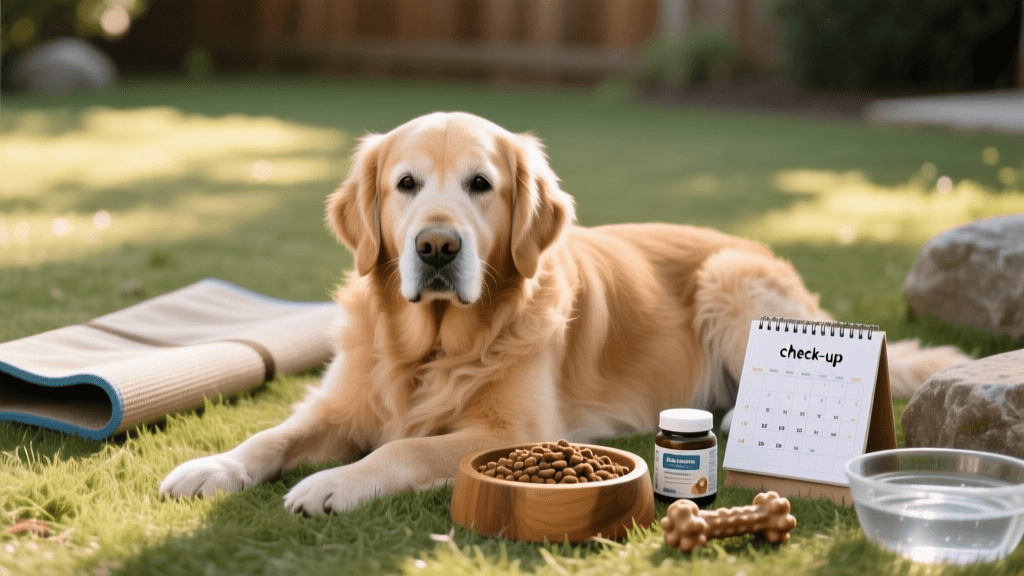
Adopting a senior rescue dog is one of the most profoundly rewarding experiences a pet parent can have. These gentle 'gray muzzles' often arrive in the shelter system through no fault of their own, carrying the physical and emotional scars of their past. While adopting an older dog bypasses the destructive puppy phases, it introduces a unique set of health, nutritional, and behavioral challenges. According to the ASPCA, senior dogs require specialized veterinary attention and environmental adjustments to ensure their golden years are truly golden. This comprehensive guide will walk you through the critical first weeks of post-adoption decompression, medical baselining, and holistic health rehabilitation for your newly rescued senior companion.
The First 72 Hours: Establishing a Medical Baseline
When you bring a senior rescue home, their shelter stay has likely been highly stressful, suppressing their immune system and masking underlying chronic conditions. The first 72 hours should be strictly focused on quiet decompression and establishing a medical baseline. Do not introduce them to dog parks, neighborhood children, or extended family members during this window. Keep their world small, quiet, and predictable.
The Comprehensive Senior Vet Panel
Schedule a veterinary appointment within 48 hours of adoption. A standard wellness exam is insufficient for a rescue senior. Request a Comprehensive Senior Blood Panel, which typically includes a Complete Blood Count (CBC), a full Chemistry Panel, a Total T4 (Thyroid) test, and a Urinalysis. This baseline is crucial for identifying hidden issues like early-stage kidney disease, hypothyroidism, or liver dysfunction. Expect to invest between $250 and $450 for this thorough diagnostic workup, depending on your geographic region and the specific laboratory your vet uses. This upfront cost is a non-negotiable investment that will dictate your dog's long-term care plan.
Environmental Decompression and Joint Support
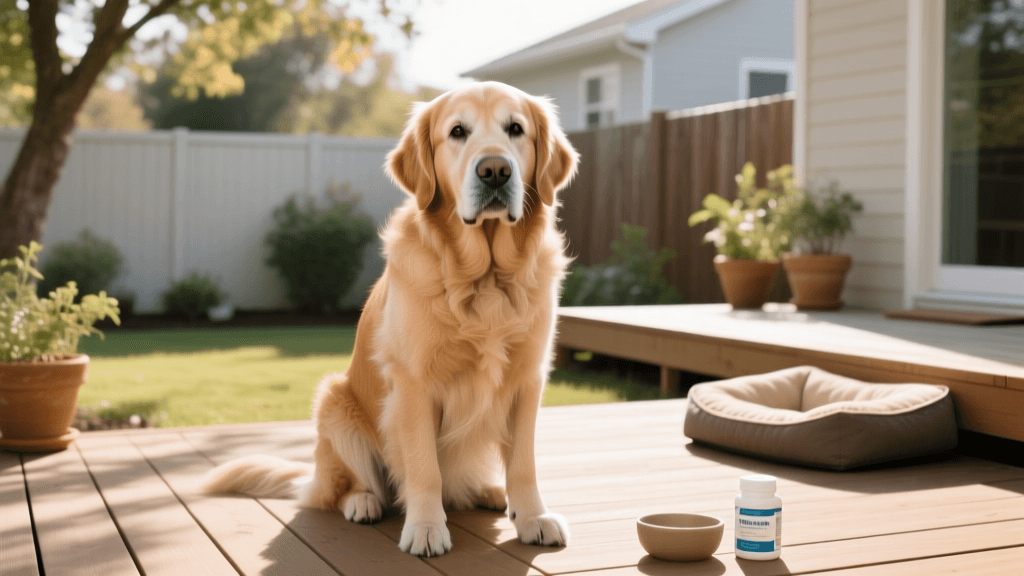
Senior rescues frequently suffer from undiagnosed osteoarthritis or spinal discomfort, exacerbated by the hard concrete floors of shelter kennels. Providing immediate orthopedic support is vital for their physical recovery and mental comfort. Invest in a high-quality, supportive bed such as the Big Barker 7-inch Orthopedic Dog Bed (approximately $259). Unlike standard stuffed beds that flatten out, therapeutic foam beds distribute weight evenly, relieving pressure on dysplastic hips and arthritic joints. Place the bed in a low-traffic, draft-free corner of your home where the dog can observe the household without feeling trapped or overwhelmed.
Nutritional Rehabilitation for the Malnourished Senior
Many senior rescues arrive underweight, with dull coats and poor muscle mass. However, the instinct to 'feed them as much as they want' can lead to severe gastrointestinal upset or dangerous rapid weight gain, which stresses aging joints. Nutritional rehabilitation must be a slow, calculated process.
The 10-to-14 Day Transition Protocol
Transition your rescue to a high-quality senior-specific diet over a strict 10 to 14-day period. Formulas like Purina Pro Plan Bright Mind Senior or Hill's Science Diet Youthful Vitality are excellent choices, as they contain targeted nutrients for cognitive and joint health. To accelerate coat and joint recovery, supplement their meals with a high-quality fish oil. Nordic Naturals Omega-3 Pet is a highly bioavailable option. The recommended measurement is typically 1 pump (approximately 1.5 ml) per 20 lbs of body weight daily. Always introduce supplements gradually over a week to avoid loose stools.
Managing Chronic Conditions: A Structured Approach
The American Veterinary Medical Association (AVMA) notes that pets age more rapidly than humans, meaning chronic conditions can advance quickly if left unmanaged. Below is a structured comparison of common senior rescue health issues and actionable management strategies.
| Condition | Common Signs in Rescues | Actionable Management Strategy | Estimated Monthly Cost |
|---|---|---|---|
| Osteoarthritis | Reluctance to jump, stiffness after resting, irritability when touched. | Daily joint supplements (e.g., Dasuquin Advanced), use of pet ramps (e.g., Pet Gear Tri-Fold Ramp) for furniture access, and prescribed NSAIDs if needed. | $40 - $80 |
| Periodontal Disease | Severe halitosis, dropping food, pawing at the mouth, systemic lethargy. | Professional veterinary dental extraction under anesthesia, followed by soft food diets and daily use of water additives like TropiClean Fresh Breath. | $20 - $50 (post-surgery maintenance) |
| Canine Cognitive Dysfunction (CCD) | Sundowning, pacing at night, staring at walls, forgetting house training. | Establishing rigid daily routines, using puzzle feeders for mental enrichment, and discussing cognitive supplements (e.g., Senilife or melatonin) with your vet. | $30 - $60 |
Sensory Decline and Home Modifications
It is incredibly common for senior rescues to have partial or complete vision and hearing loss, which can make a new home feel terrifying. A dog that seems 'stubborn' or 'ignores commands' may simply be unable to see or hear you. To help a sensory-impaired senior decompress, map out your furniture and avoid rearranging it. Use scent markers, such as a dab of dog-safe essential oil (like lavender) on doorframes or the edges of stairs, to help them navigate via their olfactory senses. When approaching a blind or deaf dog, always stomp gently on the floor so they can feel the vibrations, and offer a high-value treat like a small piece of freeze-dried liver to build positive associations with your approach.
The Senior 3-3-3 Rule of Rescue Decompression
The '3-3-3 Rule' is a widely recognized framework in the rescue community, but it must be adapted for the physical limitations of an older dog.
- The First 3 Days (Overwhelm): Your dog may hide, refuse to eat, sleep excessively, or test boundaries. Their immune system is vulnerable. Keep interactions quiet, limit handling, and let them initiate contact. Hand-feed high-value meals to build trust without forcing physical affection.
- The First 3 Weeks (Settling In): Your dog begins to learn your routine and the layout of the home. Their true personality will start to emerge, and you may notice new behavioral quirks or aches and pains as they feel safe enough to express discomfort. This is the time to begin gentle, short-duration leash walks (10-15 minutes) to build cardiovascular health without overtaxing their joints.
- The First 3 Months (Security): Your dog finally feels secure and bonded. Their health baseline has stabilized, their weight is optimized, and they understand the household rules. They have formed a deep, trusting attachment to you, recognizing that they are safe in their forever home.
Conclusion: The Reward of Patience
Rehabilitating a senior rescue dog requires patience, financial commitment, and a deep well of empathy. You are not just adopting a pet; you are acting as a physical therapist, nutritionist, and safe harbor for an animal that has likely experienced significant hardship. By prioritizing a comprehensive medical baseline, investing in orthopedic support, managing their nutrition carefully, and respecting their need for quiet decompression, you can dramatically alter the trajectory of their twilight years. The profound gratitude and quiet companionship offered by a healthy, decompressed senior rescue dog is a reward unlike any other in the canine world.
anouk-beaumont
All our authors care for dogs every day — read more of their work on the authors page.