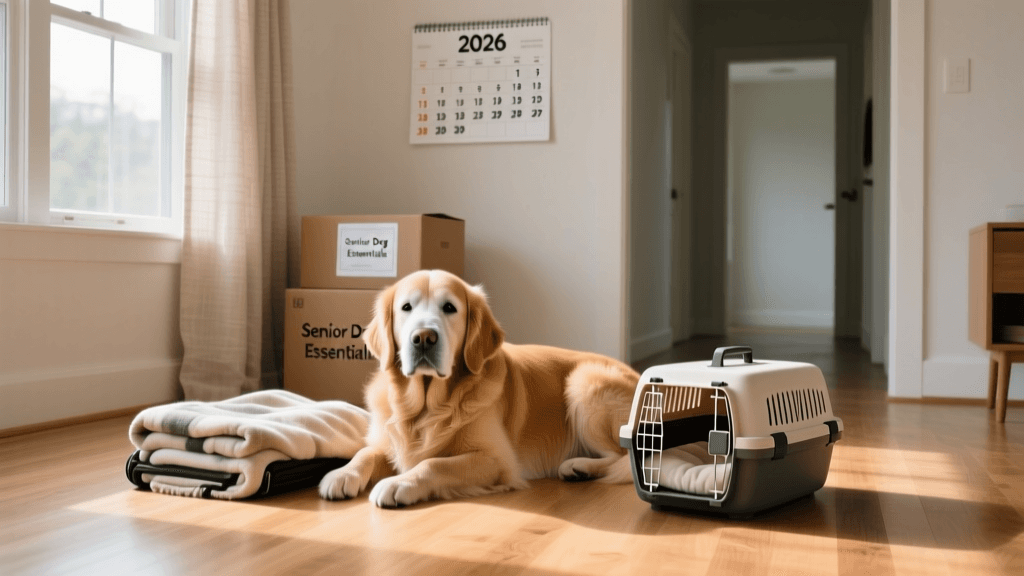
Moving With Senior Dogs: The 2026 Relocation Guide
Discover the ultimate 2026 guide to moving with a senior dog. Learn stress-reduction tips, mobility hacks, and routines for a smooth home transition.
Understanding Senior Dog Stress During Relocation
Moving to a new home is universally ranked as one of life's most stressful events, and our canine companions are not immune to the chaos. For senior dogs, typically defined as those aged seven and older, a change in environment can be profoundly disorienting. Older dogs thrive on predictability. Their daily routes, familiar scents, and established sleeping spots provide a psychological anchor. When you uproot them, you remove these anchors, which can lead to anxiety, regression in house training, and exacerbated physical ailments.
In 2026, veterinary behaviorists emphasize that a successful move with an aging dog requires a highly structured, phased approach. Unlike younger dogs who might bounce back from a few days of upheaval, senior dogs need proactive environmental management, mobility support, and cognitive reassurance. This comprehensive guide will walk you through the exact steps, gear, and timelines required to ensure your senior dog's transition to a new home is as seamless and stress-free as possible.
Cognitive Changes and Canine Cognitive Dysfunction (CCD)
Before packing a single box, it is crucial to assess your dog's cognitive health. Canine Cognitive Dysfunction (CCD) is akin to dementia in humans and affects a significant portion of the senior dog population. According to Cornell University Veterinary Health Topics, signs of CCD include disorientation, altered interactions with family members, changes in sleep-wake cycles, and house soiling.
Moving amplifies these symptoms. A dog with mild CCD who navigates your current home perfectly may become completely lost or trapped in corners in a new floor plan. To mitigate this, veterinary experts recommend maintaining the exact same spatial arrangement for your dog's core items—bed, water bowl, and pee pads—in the new home as they were in the old one. This spatial consistency helps their fading memory map the new environment much faster.
6 Weeks Before: Preparation and Desensitization
Preparation for a senior dog must begin well before the moving trucks arrive. The goal is to decouple the visual chaos of packing from the anxiety of separation or abandonment.
- Gradual Packing: Start packing non-essential items six weeks out. Leave your dog's favorite room completely untouched until the final week.
- Scent Preservation: Do not wash your dog's bedding right before the move. The accumulation of familiar pheromones and scents is a powerful calming agent. Place unwashed articles of your worn clothing in their bed to provide an extra layer of olfactory comfort.
- Desensitization to Boxes: Introduce empty moving boxes into the living space early. Feed your senior dog high-value treats near the boxes to build a positive association. Avoid stacking boxes into towering walls that might block their familiar pathways and cause visual confusion.
- Veterinary Checkup: Schedule a comprehensive senior wellness exam. Discuss the upcoming move with your vet and ask about short-term, situational anti-anxiety medications or natural supplements like L-theanine or CBD formulations approved for canine use in 2026.
Essential 2026 Gear for Senior Dog Mobility and Comfort
Physical limitations such as osteoarthritis, hip dysplasia, and general muscle atrophy make navigating new spaces physically taxing. Investing in the right mobility and comfort gear is non-negotiable for a smooth transition.
High-Traction Ramps and Stairs
If your new home features stairs, porches, or elevated furniture, a sturdy ramp is essential. The PetSafe Happy Ride Folding Ramp remains a top choice due to its lightweight yet durable frame and high-traction surface, which prevents senior paws from slipping. For indoor furniture, opt for wide, low-incline foam stairs with removable, washable covers.
Temperature-Regulating Orthopedic Beds
Senior dogs struggle with thermoregulation. In 2026, advancements in cooling and heating memory foam technology have revolutionized senior pet beds. Look for orthopedic beds featuring dual-sided covers: a cooling gel-infused side for summer months or warm climates, and a plush, heat-retaining side for winter. Ensure the bed has a low-profile entry point so your dog does not have to lift their aching joints high to step inside.
Smart GPS and Health Collars
A new yard or neighborhood means new escape risks, especially if a senior dog becomes spooked by unfamiliar noises. A smart GPS collar, such as the latest Fi GPS Smart Collar, offers real-time location tracking and vital health monitoring. These modern collars track sleep quality and daily step counts, allowing you to monitor if the stress of the move is causing physical fatigue or sleep disturbances.
Moving Day: The 'Safe Room' Strategy
The day of the move is characterized by open doors, loud noises, and unfamiliar people—this is a recipe for disaster for an aging dog. The ASPCA Moving Your Pet Guide strongly advocates for the 'Safe Room' strategy.
Designate one quiet room in your old home (like a master bathroom or a spare bedroom) as the dog's sanctuary. Place a clear sign on the door: DO NOT OPEN - SENIOR DOG INSIDE. Equip this room with their bed, water, and a calming pheromone diffuser like Adaptil Optimum. Play white noise or classical music to drown out the sounds of moving crews. If your dog is highly reactive to strangers, consider booking them a day-pass at a familiar, quiet boarding facility or leaving them with a trusted friend, as the chaotic loading phase is the most dangerous time for a senior pet to be underfoot.
Pro Tip: Transport your senior dog in your personal vehicle, never in the back of a moving truck or with the moving crew. Keep the car climate-controlled, play familiar music, and take frequent, short potty breaks every two hours to prevent joint stiffness.
Post-Move: Establishing the New Normal
Once you arrive at the new home, resist the urge to let your dog explore the entire property immediately. According to The Humane Society of the United States, overwhelming a pet with too much new space can trigger severe anxiety and territorial marking.
The Phased Introduction
Set up your dog's 'base camp' in a single, quiet room. Place their bed, bowls, and favorite toys exactly as they were arranged in the old house. Allow them to decompress in this room for the first 24 to 48 hours. Once they appear relaxed, eating normally, and sleeping soundly, gradually open the door to allow them to explore the rest of the house on their own terms. Never force a senior dog into a new room; let their curiosity lead the way.
Yard and Neighborhood Orientation
When introducing the new yard, walk the perimeter with them on a leash first. Senior dogs rely heavily on scent mapping. Walk them around the property lines so they can leave their scent and understand the boundaries. For the first few weeks, maintain the exact same walking schedule you had at your old home. Predictability in timing is just as comforting as predictability in space.
Comprehensive Senior Dog Moving Timeline
Use this structured checklist to keep your relocation organized and your senior dog grounded throughout the process.
| Phase | Timeline | Action Items | Senior-Specific Focus |
|---|---|---|---|
| Preparation | 6 Weeks Out | Vet checkup, gradual packing, purchase mobility gear. | Refill all joint supplements and prescriptions; assess CCD symptoms. |
| Desensitization | 3 Weeks Out | Introduce boxes, maintain routine, preserve unwashed bedding. | Monitor for stress-induced appetite loss; adjust diet if necessary. |
| The Move | Day Of | Secure Safe Room, transport in personal vehicle, use pheromones. | Provide orthopedic car support; enforce frequent stretching breaks. |
| Settling In | Days 1-3 | Establish base camp, unpack dog's items first, limit exploration. | Keep floors clear of trip hazards; ensure nightlights are on for CCD. |
| Integration | Weeks 2-4 | Expand access to house, introduce yard on-leash, meet neighbors. | Track sleep and activity via smart collar; watch for joint stiffness. |
Final Thoughts on Patience and Empathy
Relocating with a senior dog in 2026 requires a shift in perspective. It is not merely a logistical challenge; it is an exercise in deep empathy. Your dog has spent their twilight years trusting you to provide a safe, predictable world. When that world changes, they look to you for reassurance. By leveraging modern mobility aids, adhering to a phased introduction plan, and prioritizing their cognitive and physical comfort, you can turn a potentially traumatic event into a gentle new beginning. Give them grace, offer extra cuddles, and celebrate the small victories as they confidently claim their new house as their forever home.
aaron-whyte
All our authors care for dogs every day — read more of their work on the authors page.