Diagnosing and Managing Osteoarthritis in Senior Dogs
Learn how to diagnose osteoarthritis in senior dogs and explore actionable solutions, from joint supplements and NSAIDs to home modifications for pain relief.
Recognizing the Hidden Signs of Canine Osteoarthritis
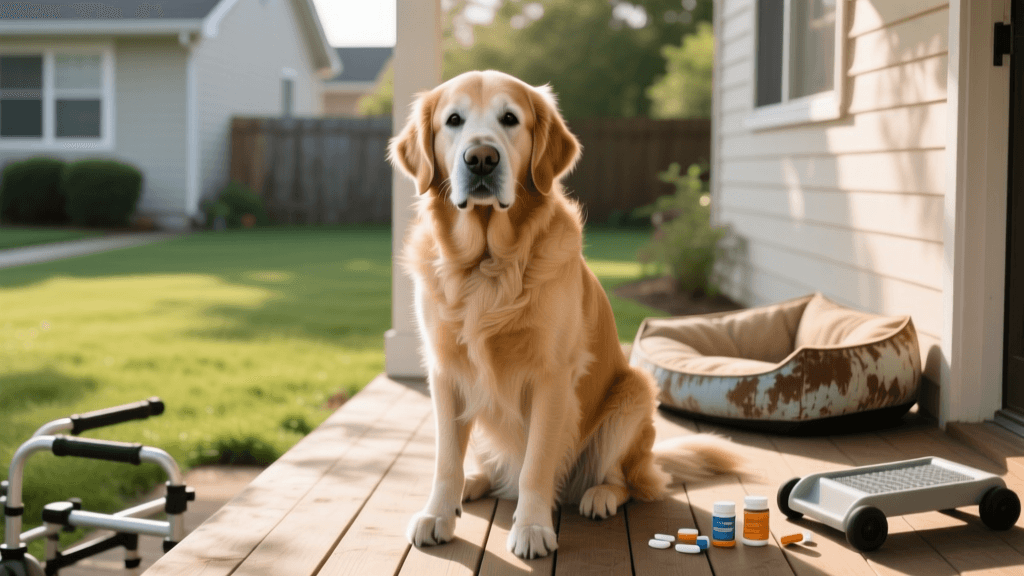
Osteoarthritis (OA), also known as degenerative joint disease, affects approximately 20% of adult dogs and up to 80% of senior dogs over the age of eight. Unlike humans, dogs rarely vocalize chronic pain. Instead, they exhibit subtle behavioral shifts that owners often mistake for normal aging.
Common Symptoms to Monitor:
- Reluctance to jump into the car, climb stairs, or hop onto furniture.
- Stiffness after resting, especially in the morning or during cold, damp weather.
- A 'bunny hopping' gait or favoring one hind leg while walking.
- Excessive licking or chewing at specific joints (often the carpus or stifle).
- Irritability, growling, or withdrawal when touched near the hips, spine, or knees.
How Veterinarians Diagnose Joint Degeneration
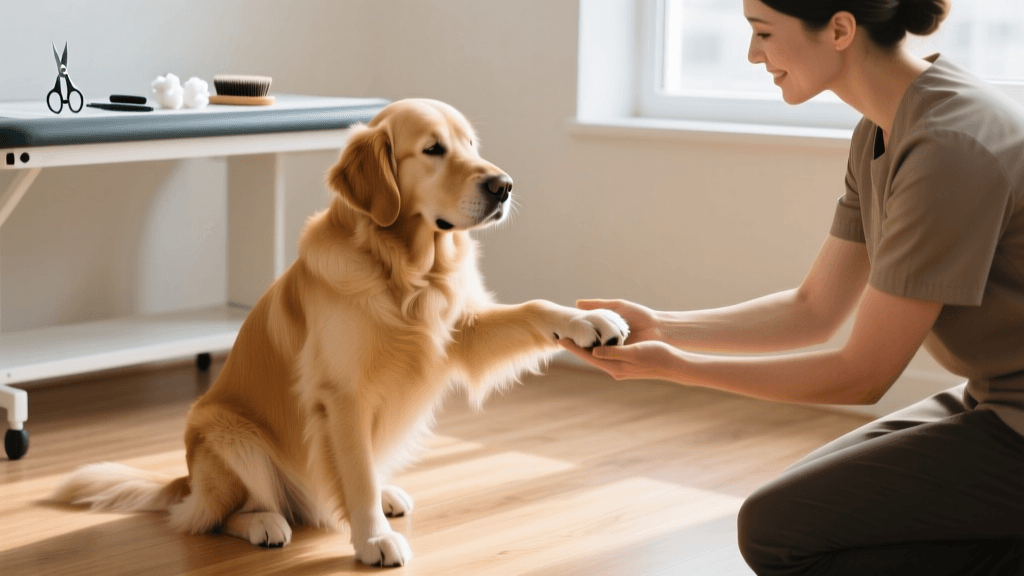
If you suspect OA, a veterinary visit is mandatory. Diagnosis is not just about confirming pain; it is about ruling out other serious conditions like tick-borne diseases, cruciate ligament tears, or bone cancer (osteosarcoma).
The diagnostic process typically includes:
- Orthopedic Examination: The vet will manipulate the joints to check for crepitus (a grinding sensation), decreased range of motion, and joint effusion (swelling).
- Radiographs (X-Rays): Essential for visualizing bone spurs (osteophytes), narrowed joint spaces, and subchondral bone sclerosis.
- Synovial Fluid Analysis: In complex cases, fluid is drawn from the joint to rule out immune-mediated polyarthritis or bacterial infections.
Actionable Solutions: A Multi-Modal Management Plan
Managing canine OA requires a multi-modal approach. Relying on a single medication is rarely sufficient and can increase the risk of side effects. By combining weight management, nutraceuticals, pharmaceuticals, and environmental changes, you can significantly improve your dog's quality of life.
1. Weight Management and Targeted Nutrition
Adipose tissue is not just inactive fat; it is an active endocrine organ that secretes pro-inflammatory cytokines, which exacerbate joint pain. Keeping your dog at an ideal Body Condition Score (BCS) of 4 or 5 out of 9 is the single most effective intervention for OA.
Actionable Advice: Transition to a joint-support prescription diet. Formulas like Hill's Prescription Diet j/d or Royal Canin Mobility Support are fortified with high levels of EPA (an Omega-3 fatty acid) and antioxidants. Expect to spend between $80 and $110 for a 27-pound bag. Measure food using a standard 8-oz measuring cup or a digital kitchen scale for precision, rather than guessing portion sizes.
2. Joint Supplements and Nutraceuticals
Over-the-counter supplements can help protect remaining cartilage and reduce mild inflammation. Look for products carrying the National Animal Supplement Council (NASC) Seal of Quality to ensure manufacturing standards.
Key Ingredients & Dosages:
- Glucosamine HCl & Chondroitin Sulfate: Building blocks for cartilage. Dosage: 20-30 mg/kg of glucosamine daily.
- Omega-3 Fatty Acids (EPA/DHA): Sourced from wild-caught fish oil or green-lipped mussel. Target dose: 50-100 mg/kg of combined EPA/DHA daily.
- ASU (Avocado Soybean Unsaponifiables): Helps prevent cartilage degradation and works synergistically with glucosamine.
Top Product Picks: Dasuquin Advanced (approx. $60 for 84 chewables) or VetriScience GlycoFlex Plus.
3. Veterinary Medications and Advanced Therapies
When supplements and diet aren't enough, veterinary pharmaceuticals are necessary to break the pain cycle.
- NSAIDs (Non-Steroidal Anti-Inflammatory Drugs): Medications like Carprofen (Rimadyl) or Meloxicam (Metacam) are the cornerstone of OA pain relief. Cost: $1 to $2 per day. Warning: Annual bloodwork is required to monitor liver and kidney function.
- Adequan Injections: A polysulfated glycosaminoglycan (PSGAG) administered intramuscularly. A typical loading dose is twice weekly for four weeks (approx. $300-$400 for the series), followed by monthly maintenance.
- Librela (Bedinvetmab): A breakthrough monthly monoclonal antibody injection that targets Nerve Growth Factor (NGF). It is highly effective for dogs that cannot tolerate NSAIDs due to kidney or liver issues. Cost: $70 to $120 per month, depending on the dog's weight.
For more information on FDA-approved animal drugs for joint pain, consult the FDA's Animal Health Literacy guide on canine osteoarthritis.
4. Environmental Modifications at Home
Your home environment can either hinder or help your dog's mobility. Simple, low-cost modifications can prevent catastrophic slips and falls that lead to acute injuries on top of chronic pain.
- Traction: Place interlocking foam puzzle mats or non-slip yoga mats over hardwood and tile floors. Cost: ~$30 for a 6-pack of mats.
- Ramps: Use a ramp for SUVs or high beds. Ensure the ramp has an incline no steeper than 18 to 20 degrees to prevent joint strain. The PetSafe Happy Ride Folding Pet Ramp is a durable, lightweight option (approx. $70).
- Orthopedic Bedding: Invest in a bed with at least 4 inches of high-density memory foam to prevent pressure sores on the elbows and hocks. Brands like Big Barker offer 10-year warranties against flattening (Cost: $200-$300).
- Elevated Bowls: Raise food and water bowls to chest height to relieve strain on the cervical spine and front shoulders.
5. Physical Therapy and Rehabilitation
Canine rehabilitation therapy is a rapidly growing field that offers non-pharmacological pain relief and muscle strengthening. Underwater treadmills allow dogs to exercise with reduced weight-bearing stress, while therapeutic lasers (Class IV cold lasers) penetrate deep into the joint capsule to stimulate cellular repair and reduce localized inflammation. A typical 6-week rehab package costs between $400 and $700. Additionally, gentle at-home range-of-motion (ROM) exercises, such as cookie stretches and figure-eight weaving through your legs, can maintain joint flexibility in just 5 to 10 minutes a day.
Treatment Comparison Chart
| Treatment Modality | Examples | Est. Monthly Cost | Primary Benefit |
|---|---|---|---|
| Prescription Diets | Hill's j/d, Royal Canin Mobility | $70 - $90 | Systemic inflammation reduction via EPA |
| Nutraceuticals | Dasuquin, Fish Oil | $40 - $60 | Cartilage support and mild pain relief |
| NSAIDs | Carprofen, Meloxicam | $30 - $60 | Rapid reduction of acute joint inflammation |
| Monoclonal Antibodies | Librela (Bedinvetmab) | $70 - $120 | Targeted nerve pain blockage without organ toxicity |
| Home Modifications | Yoga mats, Memory foam beds | $50 (One-time) | Injury prevention and joint offloading |
The Importance of Consistent Monitoring
Canine osteoarthritis is a progressive disease. What works for your dog today may need adjustment in six months. According to the Cornell University College of Veterinary Medicine, regular re-evaluations every six months are critical to adjusting pain management protocols before the dog experiences a decline in mobility.
Pain management in dogs is most successful when owners and veterinarians work together to monitor subtle behavioral changes and adjust multi-modal therapies proactively.
Keep a mobility journal on your phone. Record your dog's stiffness levels on a scale of 1-10 each morning, note the weather (cold and damp weather often exacerbates symptoms), and log any missed doses of medication. Share this data with your veterinarian to fine-tune the treatment plan.
Conclusion
While a diagnosis of osteoarthritis can be daunting, it is not a death sentence for your dog's active lifestyle. By accurately diagnosing the specific joints involved and implementing a comprehensive, multi-modal strategy—ranging from precise weight management and targeted supplements to advanced therapies like Librela and NSAIDs—you can keep your senior dog comfortable, mobile, and happy for years to come.
jonas-cole
All our authors care for dogs every day — read more of their work on the authors page.