Moving a Senior Dog in 2026: Stress-Free Home Transition
Discover how to smoothly transition your senior dog to a new home in 2026. Learn about mobility ramps, GPS collars, and stress-reducing routines.
The Unique Challenges of Moving a Senior Dog
Moving to a new home is universally ranked as one of life's most stressful events, but when you share your life with an aging canine companion, the stakes are significantly higher. For a senior dog, a familiar environment is more than just a place to sleep; it is a mental map built on years of scent markers, predictable routines, and known safe spaces. Disrupting this environment can trigger anxiety, exacerbate joint pain, and accelerate symptoms of Canine Cognitive Dysfunction (CCD). As of 2026, veterinary behaviorists emphasize that a successful move with an older dog requires meticulous pre-planning, specialized mobility aids, and a phased approach to environmental introduction.
According to the ASPCA's Senior Dog Care guidelines, older dogs experience diminished sensory perception, including reduced vision and hearing, which makes navigating unfamiliar layouts particularly daunting. A sudden shift in flooring textures, lighting, and acoustics can lead to disorientation and a reluctance to move, which in turn causes muscle stiffness. This comprehensive guide will walk you through the exact steps, products, and timelines needed to ensure your senior dog's transition to a new home in 2026 is as seamless and stress-free as possible.
Pre-Move Preparation: Establishing the 'Safe Room'
Before the first moving box is unpacked, you must designate a 'Safe Room' in your new home. This should be a quiet, low-traffic area—such as a spare bedroom or a finished basement corner—where your dog will spend the first few days. The goal is to recreate the exact sensory experience of their old favorite resting spot.
- Scent Preservation: Do not wash your dog's bedding before the move. The familiar scent of their old home provides immense psychological comfort. Place their unwashed bed, favorite worn blankets, and even a piece of your recently worn clothing in the Safe Room.
- Pheromone Therapy: Plug in an Adaptil Optimum Calming Diffuser in the Safe Room at least 24 hours before your dog arrives. The 2026 formulation of these synthetic pheromones has been shown to significantly reduce cortisol levels in aging dogs experiencing environmental shifts.
- Acoustic Buffering: Senior dogs are often more sensitive to the sharp, echoing noises of an empty or newly occupied house. Use a white noise machine or play classical music at a low volume to mask the sounds of moving trucks, footsteps, and unpacking.
Conquering Stairs and Multi-Story Layouts
One of the most common hurdles in modern housing is the presence of stairs. For a dog with osteoarthritis or degenerative myelopathy, a single flight of stairs can be an insurmountable barrier that leads to isolation or injury. In 2026, the market offers highly engineered mobility aids specifically designed for the biomechanics of aging large and medium breeds.
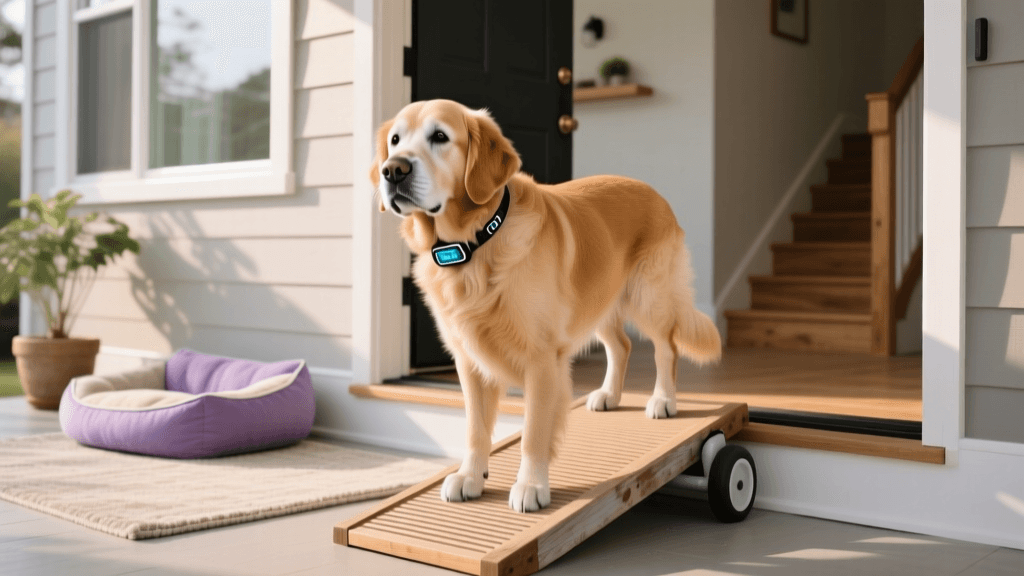
When selecting a ramp, the incline angle is critical. Veterinary physical therapists recommend an incline of no more than 18 to 20 degrees for arthritic dogs. Steeper ramps cause excessive strain on the carpal and shoulder joints. Below is a comparison of the top mobility solutions for senior dogs navigating new homes this year.
| Mobility Aid Type | Best For | Key Specifications | 2026 Est. Cost |
|---|---|---|---|
| Telescoping Pet Ramp | Vehicles, high porches, and steep staircases | Adjustable length (up to 87 inches), 18-degree incline, high-traction grip tape | $180 - $220 |
| High-Density Foam Pet Stairs | Couches, beds, and low platforms | 4-step design, 4-inch rise per step, removable washable velvet cover | $60 - $90 |
| Orthopedic Floor Bed | Multi-story homes where stairs are restricted | 7-inch therapeutic foam base, waterproof liner, bolster edges for neck support | $250 - $320 |
| Rear-Lift Harness | Assisting with stairs, slippery floors, and vehicle entry | Padded neoprene handles, adjustable chest strap, machine washable | $45 - $75 |
Training Tip: Never force your dog onto a ramp. Introduce the ramp flat on the ground in the old house weeks before the move. Use high-value treats like freeze-dried liver to encourage them to walk across it. Once they are confident, gradually increase the incline.
Securing the New Perimeter with Smart GPS Collars
A new neighborhood means new escape risks. Senior dogs, especially those experiencing cognitive decline, may wander off following a familiar scent or become disoriented by new traffic patterns. Relying solely on a physical fence in a new property can be risky if there are gaps or if the dog attempts to dig out of anxiety.
In 2026, utilizing a smart GPS collar like the Fi Series 4 or the Whistle Go is a non-negotiable safety measure for moving owners. These devices utilize advanced LTE-M networks to provide real-time location tracking with minimal battery drain. Before letting your dog off-leash in the new yard, use the companion app to set up a custom 'Safe Zone' geofence. Start with a tight radius of 100 feet around the back door. If your dog approaches the boundary, the app will send an instant push notification to your phone, allowing you to intervene before they become lost. Furthermore, the built-in activity monitoring can alert you if your dog's daily step count drops significantly—a key early indicator of joint pain flare-ups following the stress of a move.
The First 72 Hours: A Step-by-Step Timeline
The initial three days in a new home dictate how well your senior dog will adjust long-term. Follow this structured timeline to prevent sensory overload.
Day 1: The Decompression Phase
Keep your dog strictly confined to the prepared Safe Room. Do not invite friends or family over to 'meet the dog in the new house.' Provide their regular meals, offer a long-lasting chew like a yak cheese stick to promote endorphin release, and take them outside on a leash only for brief, 5-minute potty breaks in a designated quiet corner of the yard. Sleep in the Safe Room with them on the first night if possible to provide a familiar biological anchor.
Day 2: Scent Mapping and Expansion
Open the Safe Room door and allow your dog to explore the immediate adjacent rooms at their own pace. Keep all other doors closed to limit the explorable square footage. Do not use strong chemical floor cleaners during this phase; the lingering scents of previous occupants or harsh chemicals can overwhelm their olfactory senses. Let them sniff baseboards, corners, and furniture to begin building their new mental map.
Day 3: Routine Re-establishment
Begin implementing your exact feeding and walking schedule from your old home. If you used to walk them at 7:00 AM and 6:00 PM, maintain those exact times. Predictability is the ultimate antidote to anxiety. Introduce them to the new walking route, keeping the distance 25% shorter than their usual walks to account for the mental fatigue of processing new sights and sounds.
Long-Term Adjustment and Cognitive Support
Even after the physical move is complete, the psychological transition can take anywhere from three to six weeks. During this period, monitor your dog for signs of Canine Cognitive Dysfunction (CCD), which can be triggered or worsened by environmental stress. Symptoms include pacing at night, staring blankly at walls, or getting stuck in corners.
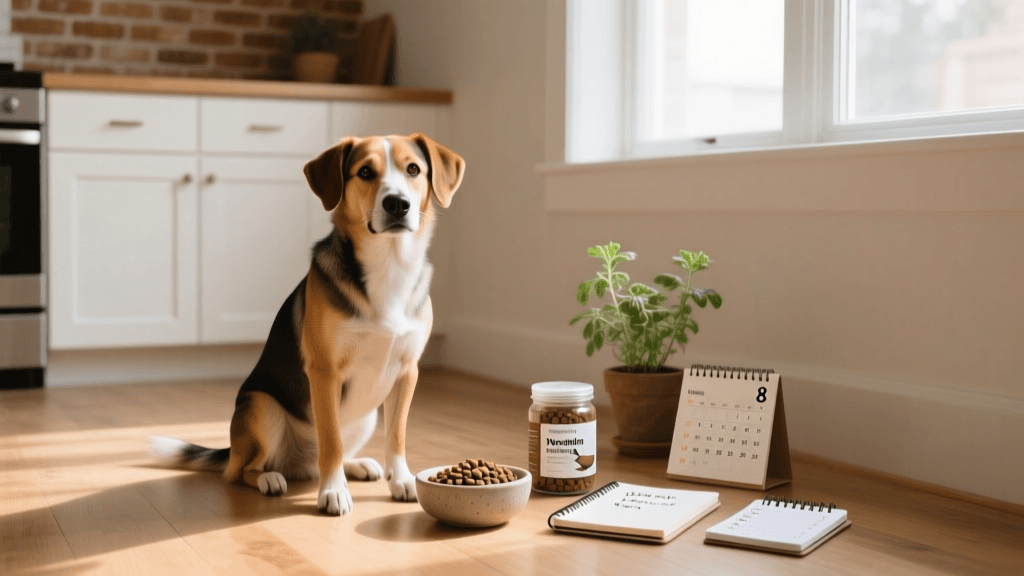
The American Veterinary Medical Association (AVMA) advises scheduling a post-move wellness check with your local veterinarian within the first two weeks of relocation. This visit allows the vet to assess your dog's joint health, update their microchip registration with the new address, and discuss dietary interventions. In 2026, veterinary nutritionists frequently recommend incorporating diets rich in medium-chain triglycerides (MCTs), such as Purina Pro Plan Bright Mind, or targeted supplements containing phosphatidylserine to support aging brain health during periods of high cognitive demand.
Ultimately, patience is your most valuable tool. Your senior dog has spent a lifetime trusting you to keep them safe. By controlling their environment, supporting their aging body with proper mobility aids, and respecting their need for a gradual transition, you will help them realize that this new house is, indeed, their new home.
aaron-whyte
All our authors care for dogs every day — read more of their work on the authors page.