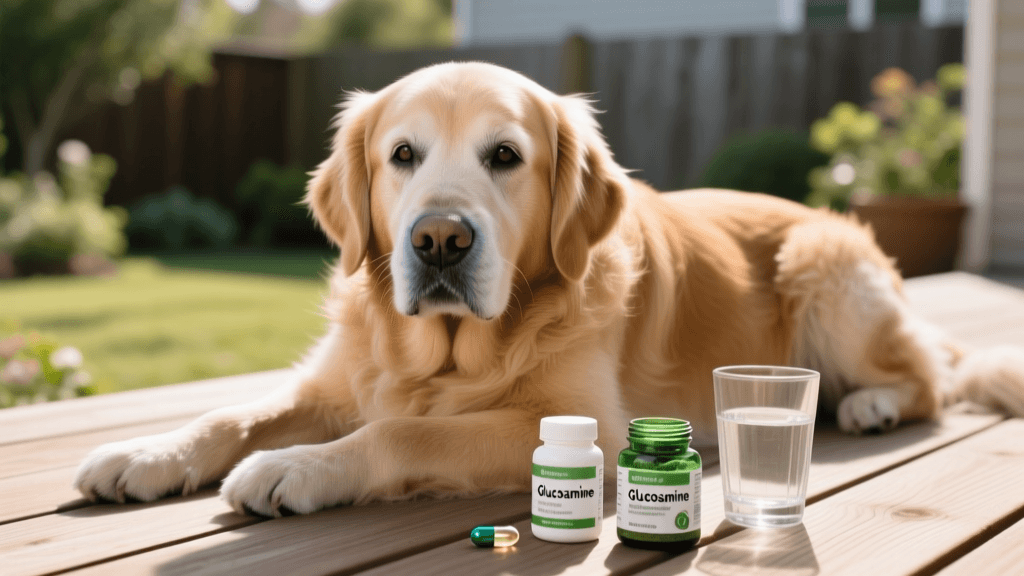
2026 Guide: Glucosamine vs Green-Lipped Mussel Dog Joint Supplements
Discover the best joint supplements for senior dogs in 2026. We compare glucosamine and green-lipped mussel to relieve canine osteoarthritis pain.
Understanding Canine Osteoarthritis in 2026
Canine osteoarthritis (OA) is a progressive, degenerative joint disease that affects approximately 25% of all dogs and up to 80% of senior large-breed dogs. As we navigate the veterinary wellness landscape in 2026, pet parents are presented with a dizzying array of joint health products, making it challenging to separate marketing hype from clinical efficacy. The American Veterinary Medical Association emphasizes that managing pet pain requires a multimodal approach, with nutritional supplements playing a critical supportive role alongside weight management, physical therapy, and prescription medications when necessary.
Among the myriad of options available today, two ingredients consistently dominate the veterinary recommendation list: traditional Glucosamine (specifically Glucosamine Sulfate) and New Zealand Green-Lipped Mussel (GLM). While both aim to improve mobility and reduce joint inflammation, their biochemical mechanisms, onset times, and ideal use cases differ significantly. In this comprehensive 2026 guide, we break down the science, costs, and practical applications of these two joint supplement heavyweights to help you make the best choice for your aging companion.
Glucosamine: The Traditional Gold Standard
Glucosamine is a naturally occurring amino sugar found in the fluid around your dog's joints. It serves as a fundamental building block for glycosaminoglycans (GAGs), which are essential components of cartilage. In the supplement market, you will typically find two forms: Glucosamine Hydrochloride (HCl) and Glucosamine Sulfate. Veterinary nutritionists in 2026 overwhelmingly prefer Glucosamine Sulfate, as the sulfur molecule is critical for the synthesis and stabilization of joint cartilage matrix.
When administered consistently, glucosamine helps inhibit the enzymatic breakdown of cartilage while simultaneously stimulating chondrocytes (cartilage-producing cells) to generate new tissue. However, it is important to understand that the FDA regulates animal dietary supplements under post-market enforcement. This means that unlike prescription drugs, supplements are not rigorously tested for efficacy or label accuracy before hitting the shelves. Therefore, choosing a glucosamine product that carries the National Animal Supplement Council (NASC) Quality Seal is non-negotiable in 2026 to ensure your dog is actually receiving the milligram dosage listed on the label.
Pros and Cons of Glucosamine
- Pros: Extensively studied, widely available, highly effective for long-term cartilage maintenance, and generally well-tolerated by most canine digestive systems.
- Cons: Slower onset of action (often taking 4 to 8 weeks to show visible mobility improvements), and traditional sourcing relies heavily on shellfish shells, which may trigger rare allergic reactions.
Green-Lipped Mussel (GLM): The Marine Powerhouse
New Zealand Green-Lipped Mussel (Perna canaliculus) has seen a massive surge in veterinary popularity over the last few years, solidifying its status in 2026 as a premium, multi-functional joint supplement. Unlike glucosamine, which primarily targets cartilage synthesis, GLM is a whole-food ingredient that provides a complex matrix of nutrients, including naturally occurring chondroitin, hyaluronic acid, and a unique profile of Omega-3 fatty acids.
The true superpower of GLM lies in its high concentration of eicosatetraenoic acid (ETA). ETA is a rare Omega-3 that exhibits dual-inhibitory action against both cyclooxygenase (COX) and lipoxygenase (LOX) inflammatory pathways. This is remarkably similar to how non-steroidal anti-inflammatory drugs (NSAIDs) work, but without the harsh gastrointestinal and renal side effects associated with long-term pharmaceutical use. According to the American Kennel Club's comprehensive guide to osteoarthritis, incorporating Omega-3 rich whole foods and supplements is a cornerstone of modern, non-pharmaceutical joint pain management for senior dogs.
Pros and Cons of Green-Lipped Mussel
- Pros: Rapid reduction in joint inflammation (often within 2 to 4 weeks), provides a broad spectrum of joint-supporting nutrients in one ingredient, and offers sustainable, eco-friendly sourcing from New Zealand aquaculture.
- Cons: Higher cost per serving compared to synthetic glucosamine, and the distinct marine odor can be unappealing to some picky eaters (and their owners).
Head-to-Head Comparison: Glucosamine vs. GLM
To help you visualize the differences, we have compiled a direct comparison of these two ingredients based on 2026 veterinary standards and market averages.
| Feature | Glucosamine Sulfate | Green-Lipped Mussel (GLM) |
|---|---|---|
| Primary Action | Cartilage synthesis and structural repair | Broad-spectrum inflammation reduction and joint lubrication |
| Key Active Compound | Amino sugars (Glucosamine) | ETA (Omega-3), natural GAGs, Hyaluronic Acid |
| Onset of Efficacy | 4 to 8 weeks | 2 to 4 weeks |
| Best Suited For | Long-term joint maintenance and mild cartilage wear | Active inflammation, acute stiffness, and senior dogs with severe OA |
| Average Monthly Cost | $20 - $35 (for a 50 lb dog) | $35 - $60 (for a 50 lb dog) |
| Common Forms | Flavored chews, capsules, tasteless powders | Freeze-dried powder, cold-pressed oil, soft chews |
Synergistic Ingredients to Look for in 2026
The most advanced joint supplements in 2026 rarely rely on a single ingredient. Instead, they utilize synergistic blends to maximize bioavailability and efficacy. Whether you choose a glucosamine-based or GLM-based product, look for these complementary additions on the ingredient panel:
- Curcumin (Turmeric Extract): When paired with piperine or formulated in a lipid matrix, curcumin provides potent antioxidant support, neutralizing free radicals that degrade joint tissue.
- Boswellia Serrata: Also known as Indian Frankincense, this botanical resin works synergistically with GLM to further inhibit LOX inflammatory pathways.
- Hemp-Derived CBD: Full-spectrum CBD is increasingly utilized in senior dog care to manage the neurological perception of chronic pain, working alongside physical joint supplements to improve overall quality of life.
- Methylsulfonylmethane (MSM): An organic sulfur compound that enhances the absorption of glucosamine and provides additional analgesic (pain-relieving) properties.
Dosing Guidelines and Administration
Proper dosing is critical. Under-dosing is the number one reason pet parents report that joint supplements 'do not work.' Always follow the manufacturer's weight-based guidelines, but as a general veterinary rule of thumb for therapeutic loading doses in 2026:
- Dogs 10-25 lbs: 500mg Glucosamine / 250mg GLM daily
- Dogs 25-50 lbs: 1000mg Glucosamine / 500mg GLM daily
- Dogs 50-90 lbs: 1500mg Glucosamine / 750mg GLM daily
- Dogs 90+ lbs: 2000mg Glucosamine / 1000mg GLM daily
Pro Tip: For the first 4 weeks, many veterinarians recommend doubling the daily dose (a 'loading phase') to saturate the joint tissues, before dropping down to the standard maintenance dose. Powders mixed into wet food or bone broth generally offer higher absorption rates than heavily processed, starchy chew treats.
Environmental and Sourcing Considerations
Sustainability is a major focus for pet care brands in 2026. Traditional glucosamine is largely derived from the chitin in shrimp and crab shells, a byproduct of the commercial seafood industry. However, for eco-conscious pet owners or dogs with specific crustacean allergies, vegan glucosamine (fermented from corn or Aspergillus niger) has become widely available and offers identical bioavailability without the marine footprint. Conversely, New Zealand Green-Lipped Mussels are farmed in highly regulated, pristine marine environments. The rope-grown aquaculture methods used for GLM are considered carbon-negative, making it one of the most environmentally sustainable joint supplements on the global market.
Safety, Allergies, and Veterinary Oversight
Both glucosamine and GLM boast excellent safety profiles, but they are not entirely without risks. Because both are traditionally sourced from marine life, dogs with known shellfish allergies should avoid them, or pet parents must specifically seek out vegan, fungal-fermented glucosamine alternatives. The most common side effect of high-dose joint supplementation is mild gastrointestinal upset, including soft stools or transient diarrhea. This can usually be mitigated by introducing the supplement gradually over the course of a week and always administering it with a full meal.
Finally, it is vital to remember that joint supplements are supportive therapies, not replacements for veterinary diagnosis. If your dog is exhibiting sudden lameness, severe reluctance to move, or vocalizing in pain, these are red flags that require immediate veterinary evaluation. Conditions such as cruciate ligament tears, bone cancer (osteosarcoma), or tick-borne illnesses can mimic osteoarthritis but require vastly different medical interventions. Always consult your primary care veterinarian before introducing new supplements to your dog's regimen, especially if your dog is currently taking prescription NSAIDs, blood thinners, or diabetic medications, to avoid any adverse pharmacological interactions.
The Final Verdict for 2026
Choosing between glucosamine and Green-Lipped Mussel ultimately depends on your dog's specific clinical needs. If you have a middle-aged, large-breed dog and want to proactively maintain cartilage health before severe stiffness sets in, a high-quality Glucosamine Sulfate supplement with MSM is an excellent, cost-effective choice. However, if you are managing a senior dog with active, visible inflammation, morning stiffness, and a need for rapid pain relief, the multi-functional, Omega-3 rich profile of Green-Lipped Mussel is the superior option. For the ultimate therapeutic approach, many canine rehabilitation specialists in 2026 recommend combining both ingredients, leveraging glucosamine for structural repair and GLM for powerful, natural inflammation control.
priya-sutaria
All our authors care for dogs every day — read more of their work on the authors page.