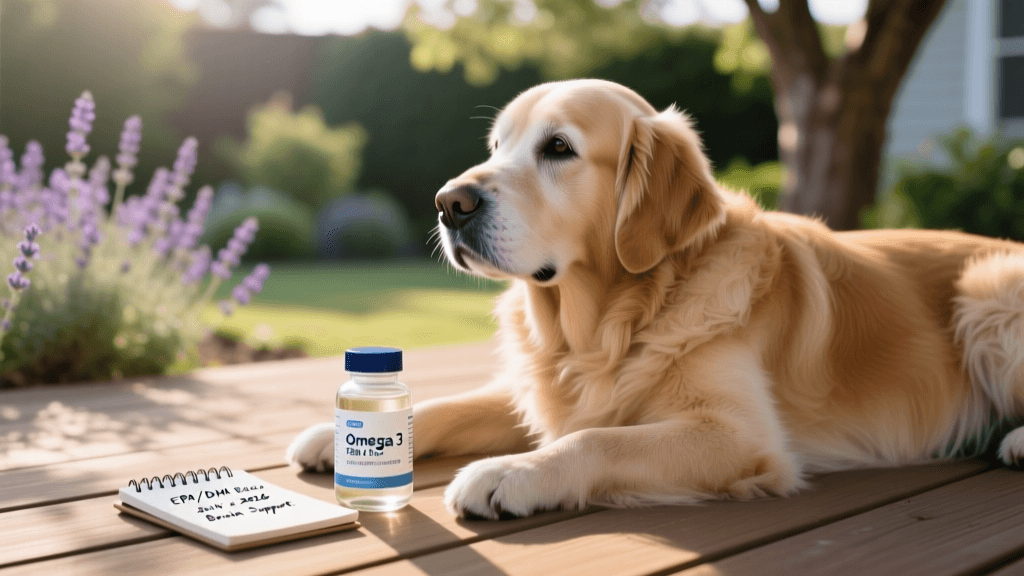
Omega-3 for Senior Dogs: Best EPA & DHA Ratios 2026
Discover the ideal EPA and DHA ratios in omega-3 fish oil supplements for senior dogs in 2026 to support joint mobility and cognitive health.
The Evolution of Canine Longevity and Omega-3 Science
As we navigate the veterinary landscape of 2026, canine longevity has reached unprecedented heights. Dogs are living longer, more active lives than ever before, thanks to advancements in preventive care, personalized nutrition, and targeted supplementation. However, with extended lifespans comes an increased prevalence of age-related conditions, most notably osteoarthritis and Canine Cognitive Dysfunction Syndrome (CDS). For senior dog owners, navigating the supplement aisle can be overwhelming, particularly when it comes to Omega-3 fatty acids. While it is widely accepted that fish oil is beneficial, the specific ratio of Eicosapentaenoic Acid (EPA) to Docosahexaenoic Acid (DHA) is the critical factor that determines clinical efficacy. In 2026, veterinary nutritionists are moving away from generic 'fish oil' recommendations and are instead prescribing highly specific EPA and DHA ratios tailored to the exact physiological needs of aging dogs.
Understanding the Distinct Roles of EPA and DHA
To make informed decisions for your senior dog, it is essential to understand the biochemical differences between the two primary marine-derived Omega-3s. Though they are often lumped together on supplement labels, EPA and DHA serve vastly different functions in the aging canine body.
Eicosapentaenoic Acid (EPA): The Inflammation Modulator
EPA is primarily responsible for modulating the body's inflammatory response. In senior dogs, chronic low-grade inflammation (often termed 'inflammaging') is a primary driver of joint degradation, cardiovascular stress, and cellular aging. EPA competes with arachidonic acid in the cell membranes, effectively reducing the production of pro-inflammatory cytokines. For dogs suffering from osteoarthritis, hip dysplasia, or severe allergies, a higher concentration of EPA is clinically indicated to provide natural pain relief and improve joint mobility.
Docosahexaenoic Acid (DHA): The Structural Architect
DHA, on the other hand, is a vital structural component of the brain, retina, and nervous system. As dogs age, the structural integrity of neural cell membranes can degrade, leading to the cognitive decline seen in CDS—commonly known as doggy dementia. DHA supports neuroplasticity, maintains cellular membrane fluidity, and protects against neurodegeneration. For senior dogs exhibiting signs of confusion, altered sleep-wake cycles, or decreased interaction, a DHA-dominant supplement is the gold standard for neurological support.
Determining the Ideal EPA to DHA Ratio for Senior Dogs
The 'best' ratio depends entirely on the primary health concern you are attempting to manage. In 2026, veterinary consensus generally categorizes therapeutic ratios into two distinct profiles:
- The Joint & Mobility Profile (High EPA): A ratio of roughly 2:1 or 3:1 (EPA to DHA) is ideal for dogs whose primary issues are joint stiffness, arthritis, and systemic inflammation. The higher EPA content aggressively targets inflammatory pathways in the synovial joints.
- The Brain & Cognitive Profile (High DHA): A ratio of 1:1 or even 1:2 (EPA to DHA) is recommended for aging dogs showing signs of cognitive dysfunction, vision loss, or neurological decline. The elevated DHA crosses the blood-brain barrier to support neural health.
According to the World Small Animal Veterinary Association (WSAVA) Global Nutrition Guidelines, assessing the individual patient's life stage and specific comorbidities is mandatory before initiating any targeted fatty acid therapy. A comprehensive senior wellness panel should dictate whether joint support or cognitive support is the primary clinical goal.
2026 Veterinary Dosage Guidelines for Senior Dogs
One of the most common mistakes pet owners make is under-dosing Omega-3s. Many commercial dog foods claim to contain Omega-3s, but the amounts are often insufficient for therapeutic benefits, especially for a senior dog with active joint disease. Experts at Tufts University Cummings Veterinary Medical Center Clinical Nutrition emphasize that therapeutic dosing must be calculated based on metabolic body weight, not just total body weight.
For general health maintenance, a dose of 30 to 50 mg of combined EPA and DHA per kilogram of body weight is sufficient. However, for therapeutic management of osteoarthritis or cognitive decline, the recommended dose increases significantly to between 75 mg and 100 mg of combined EPA/DHA per kilogram of body weight daily. For a 30 kg (66 lb) senior Golden Retriever with severe arthritis, this translates to roughly 2,250 mg to 3,000 mg of combined EPA and DHA every single day. Always consult your veterinarian before initiating high-dose protocols, as massive amounts of fish oil can interact with certain medications.
Top Omega-3 Supplements for Senior Dogs in 2026
The supplement market in 2026 has seen a massive shift toward transparency, third-party testing, and sustainable sourcing. Below is a comparison of the top-tier Omega-3 formulations currently recommended for senior dogs, evaluated on their EPA/DHA concentrations, purity, and bioavailability.
| Brand & Product | EPA / DHA per Serving | Form | Best For | Est. Price (2026) |
|---|---|---|---|---|
| Nordic Naturals Omega-3 Pet | 450mg EPA / 280mg DHA | Liquid Pump | Cognitive & Joint Combo | $34.00 |
| Grizzly Salmon Plus (Wild Alaskan) | 320mg EPA / 180mg DHA | Liquid Pump | General Joint Health | $26.00 |
| Zesty Paws Omega-3 Alaskan Fish Oil | 180mg EPA / 120mg DHA | Soft Chew | Picky Eaters & Mild Support | $32.00 |
| Vetoquinol Triglyceride Omega-3 | 600mg EPA / 400mg DHA | Softgel Capsule | High-Dose Clinical Arthritis | $45.00 |
Product Spotlight: Nordic Naturals Omega-3 Pet
Nordic Naturals continues to lead the market in 2026 due to their strict adherence to the triglyceride form of Omega-3s, which boasts a significantly higher absorption rate compared to the synthetic ethyl ester form found in cheaper alternatives. Their pet-specific formulation offers a balanced EPA to DHA ratio, making it an excellent all-rounder for senior dogs experiencing both joint stiffness and mild cognitive slowing.
Product Spotlight: Vetoquinol Triglyceride Omega-3
For large breed senior dogs requiring massive therapeutic doses for advanced osteoarthritis, Vetoquinol's high-concentration softgels are highly recommended. The concentrated formula means you have to administer fewer capsules to reach the 3,000+ mg daily threshold required for severe joint inflammation.
The 2026 Shift: Sustainable Algae-Based Omega-3s
A major development in veterinary nutrition this year is the mainstream adoption of marine algae-based Omega-3 supplements. Historically, fish oil was the only viable source of EPA and DHA. However, with growing concerns over ocean microplastics, heavy metal bioaccumulation, and overfishing, algae oil has emerged as a superior, sustainable alternative. Algae is the original source of marine Omega-3s (fish only accumulate DHA and EPA by eating algae). Modern 2026 algae-based canine supplements offer highly concentrated DHA, making them particularly effective for the Brain & Cognitive Profile. Furthermore, algae oil naturally eliminates the risk of marine toxins and heavy metals, providing unparalleled peace of mind for health-conscious pet owners.
Storage, Oxidation, and the TOTOX Value
Purchasing a high-quality Omega-3 supplement is only half the battle; proper storage is equally critical. Polyunsaturated fatty acids are highly unstable and prone to oxidation when exposed to heat, light, and oxygen. Oxidized (rancid) fish oil is not only ineffective, but it actually promotes free radical damage and cellular inflammation—the exact opposite of what you want for a senior dog.
When evaluating supplements in 2026, look for brands that publish their TOTOX (Total Oxidation) value. A TOTOX score below 10 is considered excellent, while anything above 26 indicates rancidity. To preserve the integrity of liquid fish oils, always store the bottle in the refrigerator immediately after opening and use it within 90 days. If the oil smells strongly of rotting fish rather than a mild, fresh ocean scent, it has oxidized and should be discarded immediately. The FDA Center for Veterinary Medicine advises consumers to report any adverse reactions to pet supplements, which frequently stem from rancid or improperly stored oils causing severe gastrointestinal distress.
Potential Side Effects and Safety Precautions
While Omega-3 fatty acids are generally very safe, introducing high doses to a senior dog's diet requires caution. The most common side effect is gastrointestinal upset, including diarrhea, vomiting, or steatorrhea (fatty stools). To mitigate this, always introduce the supplement gradually over the course of two weeks, starting with a quarter of the target dose and slowly increasing it.
Additionally, because EPA and DHA have natural anti-coagulant (blood-thinning) properties, extremely high doses can alter platelet function. If your senior dog is already prescribed NSAIDs for arthritis pain, or if they have an upcoming surgical procedure, you must consult your veterinarian. Your vet may recommend pausing the Omega-3 supplementation a week prior to any dental work or surgery to prevent excessive bleeding. By understanding the nuanced science of EPA and DHA ratios, adhering to metabolic dosing guidelines, and selecting high-quality, non-oxidized products, you can significantly enhance your senior dog's comfort, mobility, and cognitive sharpness in their golden years.
aaron-whyte
All our authors care for dogs every day — read more of their work on the authors page.