Understanding Senior Dog Cognitive Decline and Behavior
Learn how to understand and manage senior dog cognitive decline. Discover actionable tips, mental enrichment routines, and behavioral changes in aging dogs.
The Psychology of the Aging Canine Brain
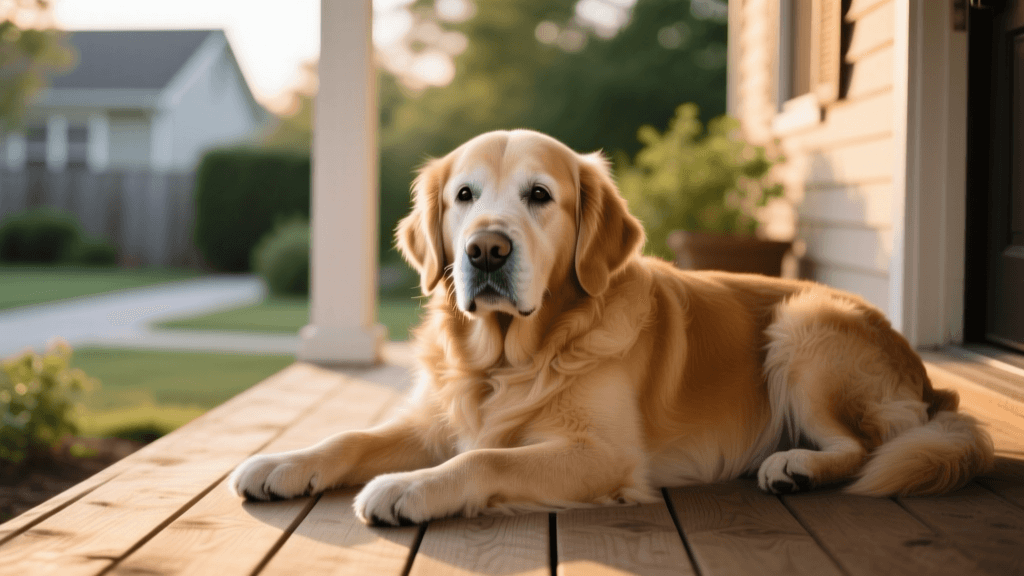
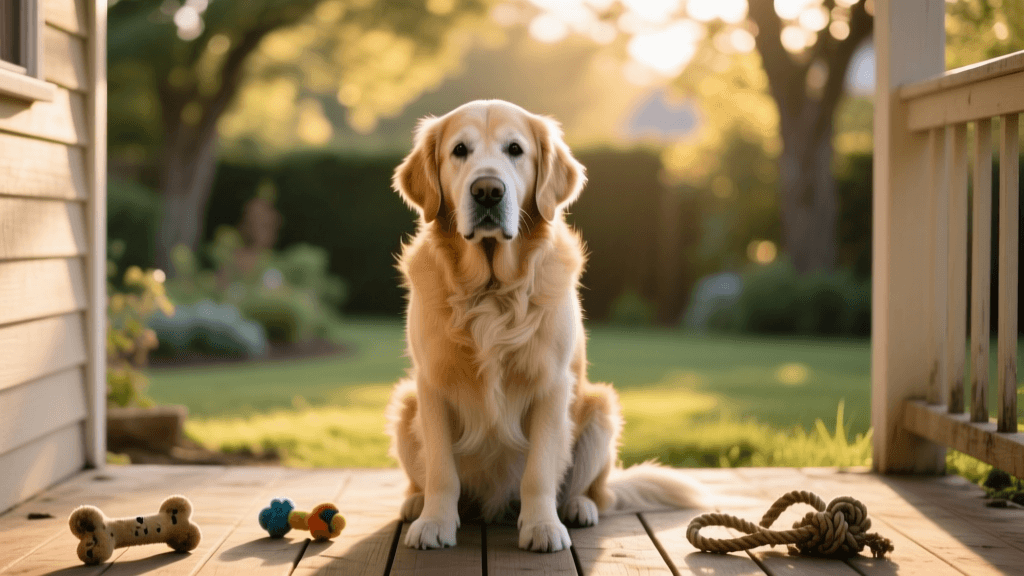
As dogs transition from their prime adult years into their senior life stage, their psychological landscape undergoes profound changes. Understanding your aging dog requires more than just adjusting their diet or managing their arthritis; it demands a deep empathy for the cognitive and behavioral shifts occurring within their brain. Much like humans, senior dogs can experience neurodegenerative changes. The most prominent of these is Canine Cognitive Dysfunction (CCD), a syndrome closely related to Alzheimer's disease in humans. According to the Cornell University College of Veterinary Medicine, CCD is characterized by the accumulation of beta-amyloid plaques, increased oxidative stress, and decreased blood flow to the brain. These physiological changes directly impact a dog's behavior, leading to confusion, altered sleep patterns, and a breakdown in previously learned communication signals.
Recognizing that your senior dog's sudden 'stubbornness' or 'aloofness' may actually be rooted in neurological decline or sensory loss is the first step in providing effective life stage care. By shifting our perspective from frustration to understanding, we can adapt our homes, routines, and communication styles to support our aging companions.
Recognizing the Signs: The DISHAA Assessment
Veterinary behaviorists utilize the DISHAA framework to differentiate between normal aging and cognitive decline. DISHAA stands for Disorientation, Interactions, Sleep-wake cycles, House soiling, Activity changes, and Anxiety. It is crucial to understand that normal aging involves a gradual slowing down, whereas CCD involves distinct behavioral anomalies that disrupt the dog's daily functioning and relationship with their owners.
| DISHAA Category | Normal Senior Aging | Cognitive Dysfunction (CCD) |
|---|---|---|
| Disorientation | Occasional hesitation in unfamiliar places; taking longer to navigate stairs. | Getting stuck in corners; staring blankly at walls; failing to recognize familiar rooms. |
| Interactions | Seeking out affection but with less physical energy; sleeping more near the family. | Uncharacteristic irritability; avoiding family members; lack of response to greetings. |
| Sleep-Wake Cycles | Sleeping more during the day but resting soundly through the night. | Pacing, panting, or vocalizing aimlessly at night; sleeping heavily all day. |
| House Soiling | Occasional accidents due to mobility issues or weakened bladder sphincter. | Urinating/defecating indoors without signaling; lacking awareness of the mess. |
| Activity Changes | Decreased interest in high-impact play; preferring leisurely, short walks. | Aimless wandering; repetitive behaviors like licking floors; loss of interest in exploration. |
| Anxiety | Mild hesitation during loud noises or sudden environmental changes. | Severe separation anxiety; trembling; clinging to owners; fear of familiar objects. |
If your dog exhibits multiple signs from the CCD column, it is time to consult a veterinarian to rule out underlying pain or metabolic diseases, and to begin a targeted cognitive care plan.
Actionable Life Stage Care: Managing CCD at Home
Managing cognitive decline requires a multi-modal approach that combines environmental enrichment, dietary interventions, and routine adjustments. The goal is to stimulate neuroplasticity and reduce oxidative stress in the brain.
Mental Enrichment and Puzzle Toys
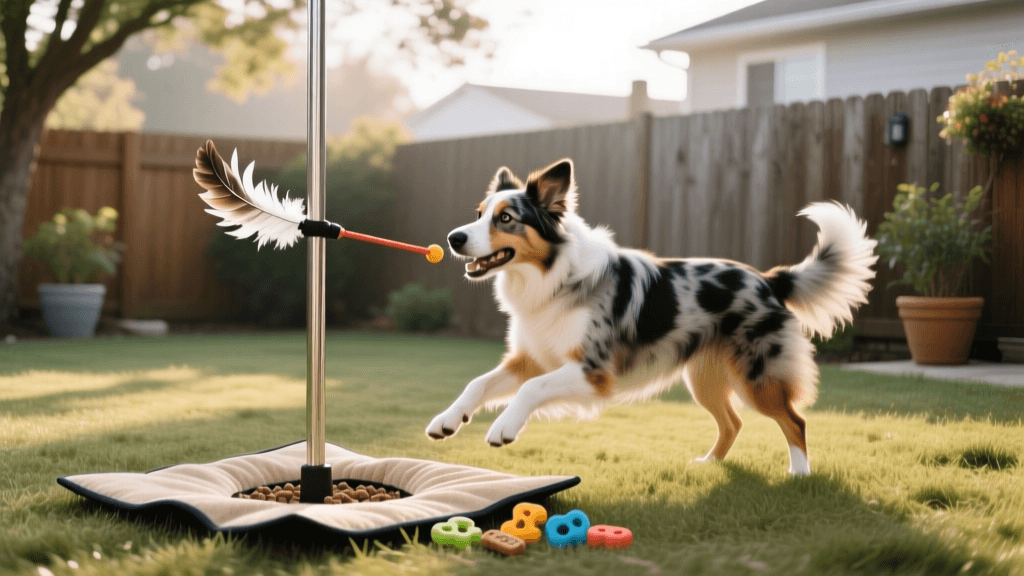
Just as physical therapy preserves muscle mass, mental enrichment preserves neural pathways. For senior dogs, the key is to provide stimulation that is rewarding but not physically taxing or overly frustrating. Aim for 15 to 20 minutes of targeted mental enrichment daily.
- Scent Work: Hide strong-smelling treats (like freeze-dried liver) in a snuffle mat or around the living room. This taps into their primal olfactory instincts and requires zero joint impact.
- Adapted Puzzle Toys: The Outward Hound Nina Ottosson Dog Brick ($15-$20) is excellent for seniors because it relies on sliding and lifting rather than forceful chewing. Alternatively, the Kong Senior ($12-$18) is made with a softer, gentler rubber formula designed specifically for aging teeth and jaws. Stuff it with plain pumpkin puree and low-sodium chicken broth, then freeze it for a soothing, brain-engaging treat.
Dietary Interventions and Brain-Supporting Supplements
The American Kennel Club (AKC) highlights the importance of medium-chain triglycerides (MCTs) and antioxidants in supporting the aging canine brain. MCTs provide an alternative energy source for the brain when glucose metabolism becomes inefficient.
- Therapeutic Diets: Purina Pro Plan Bright Mind ($45-$60 per 16lb bag) utilizes enhanced botanical oils (MCTs) shown to improve memory and learning in older dogs within 30 to 90 days of consistent feeding.
- Supplements: Look for supplements containing high levels of EPA and DHA (Omega-3 fatty acids), Vitamin E, and L-carnitine. Senilife by CEVA ($35-$45) or Zesty Paws Senior Dog Multivitamin ($25-$30) are highly rated options. Always introduce supplements gradually over a 7-day period to avoid gastrointestinal upset, and consult your vet for exact dosing based on your dog's weight.
Adjusting Communication and Body Language Reading
One of the most misunderstood aspects of senior dog psychology is how sensory loss alters their body language and communication signals. A dog that suddenly snaps when approached from behind or seems 'aloof' and unresponsive to verbal commands is often not displaying aggression or stubbornness; they are likely experiencing presbycusis (hearing loss) or lenticular sclerosis (clouding of the eye lens).
When a dog loses their primary senses, their startle reflex becomes heightened. Understanding this psychological shift means adapting how you communicate:
- Approach Protocols: Never wake a sleeping senior dog by touching them. Instead, create a gentle vibration by tapping the floor nearby, or use a scent cue—place a treat near their nose so they smell you before they see or feel you.
- Visual Hand Signals: If your dog is losing their hearing, transition from verbal cues to clear, broad hand signals. Pair a visual cue (like a flat palm for 'stay') with a gentle physical guide until the new communication loop is established.
- Reading Stress Signals: Senior dogs have a lower threshold for stress. Watch for subtle calming signals such as lip licking, yawning, or turning their head away when interacting with younger, more energetic pets. Respect these boundaries immediately to prevent reactive behavior.
Creating a Senior-Friendly Routine and Environment
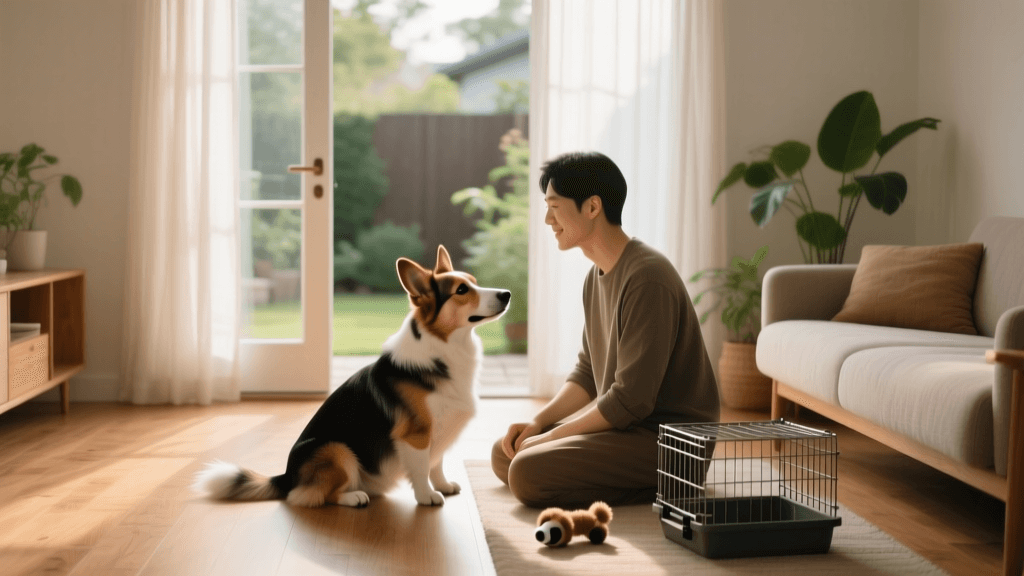
Predictability is the cornerstone of psychological comfort for an aging dog. As their cognitive map of the world begins to fray, a rigid routine acts as an anchor, reducing anxiety and confusion.
- Potty Schedules: Aging kidneys and weakened sphincter muscles mean your dog cannot hold it as long as they used to. Increase potty breaks to every 4 to 6 hours during the day. If you work long hours, consider hiring a mid-day dog walker ($15-$25 per visit) to maintain their routine and prevent the shame and anxiety associated with indoor accidents.
- Environmental Modifications: Invest in non-slip rugs or yoga mats for hardwood floors to prevent splaying, which can cause panic and exacerbate arthritis. For dogs struggling to access furniture or vehicles, use a ramp rather than lifting them, which can cause spinal stress and a feeling of vulnerability. The Big Barker 7-inch Orthopedic Dog Bed (~$250-$300) is a worthwhile investment, providing therapeutic foam that prevents pressure sores and supports deep, restorative sleep.
- Nighttime Anxiety Management: For dogs experiencing night-time pacing or vocalization, leave a dim nightlight on to help orient them if they wake up disoriented. Playing white noise or classical music can also soothe the nervous system and mask startling outdoor sounds.
When to Consult a Veterinary Behaviorist
It is vital to remember that many behavioral changes in senior dogs are actually driven by undiagnosed pain. Osteoarthritis, dental disease, and urinary tract infections can all mimic the signs of cognitive decline. A dog that is reluctant to jump into the car or becomes aggressive when petted near the hips is likely in pain, not suffering from dementia. The American Veterinary Medical Association (AVMA) strongly recommends bi-annual senior wellness exams, including comprehensive blood panels and orthopedic assessments, to establish a baseline for your dog's health.
If pain and metabolic issues are ruled out, and CCD is diagnosed, your veterinarian may prescribe medications like Selegiline (Anipryl), which helps increase dopamine levels in the brain, improving focus and reducing repetitive behaviors. Combining medication with the environmental and enrichment strategies outlined above offers the best prognosis for maintaining your senior dog's quality of life.
Conclusion
Understanding your senior dog requires patience, observation, and a willingness to adapt. By recognizing the psychological realities of cognitive decline and sensory loss, you can transform your home into a sanctuary of support. The life stage care guide for the aging dog is ultimately a guide in empathy—meeting them where they are, celebrating the quiet moments, and ensuring their twilight years are lived with dignity, comfort, and profound love.
jonas-cole
All our authors care for dogs every day — read more of their work on the authors page.