Expert Q&A: Managing Joint Health and Arthritis in Senior Dogs
Vets and trainers answer top questions on managing senior dog arthritis. Discover joint supplements, safe exercises, and pain relief strategies.

Introduction: The Silent Epidemic of Canine Osteoarthritis
As our canine companions age, their once-boundless energy can slowly give way to stiffness, hesitation, and chronic pain. Osteoarthritis (OA) is a degenerative joint disease that affects up to 25% of all adult dogs and an even higher percentage of senior canines. Because dogs are masters at masking pain, many owners do not realize their pet is suffering until the disease has significantly progressed. To provide the most actionable, science-backed advice, we sat down with two leading experts: Dr. Sarah Jenkins, a veterinarian specializing in senior canine care, and Mark Davies, a Certified Professional Dog Trainer (CPDT-KA) and canine fitness rehabilitation specialist. Together, they break down the medical, physical, and environmental strategies required to keep arthritic dogs comfortable and mobile.
Veterinary Perspective: Medical Management and Pain Relief
Q: What are the earliest signs of arthritis that owners typically miss?
Dr. Jenkins: Most owners look for obvious limping, but early osteoarthritis presents much more subtly. I tell my clients to watch for 'micro-hesitations.' Does your dog pause and shift their weight before jumping into the SUV? Are they lagging behind on walks, or do they sit down abruptly halfway through a hike? Other subtle signs include excessive licking of the carpal (wrist) or tarsal (ankle) joints, a 'bunny-hopping' gait when running, and changes in sleep patterns—such as sleeping more than 14 hours a day or struggling to find a comfortable position at night. Catching these signs early allows us to intervene before severe cartilage degradation occurs.
Q: Which joint supplements actually work, and what are the correct dosages?
Dr. Jenkins: The supplement market is flooded with ineffective products, so I always recommend veterinary-formulated brands that undergo independent testing. The gold standard ingredients are Glucosamine Hydrochloride, Chondroitin Sulfate, and Avocado/Soybean Unsaponifiables (ASU). Dasuquin Advanced and Cosequin DS Plus MSM are my top recommendations. For large breeds (70+ lbs), expect to spend around $60 to $80 per month.
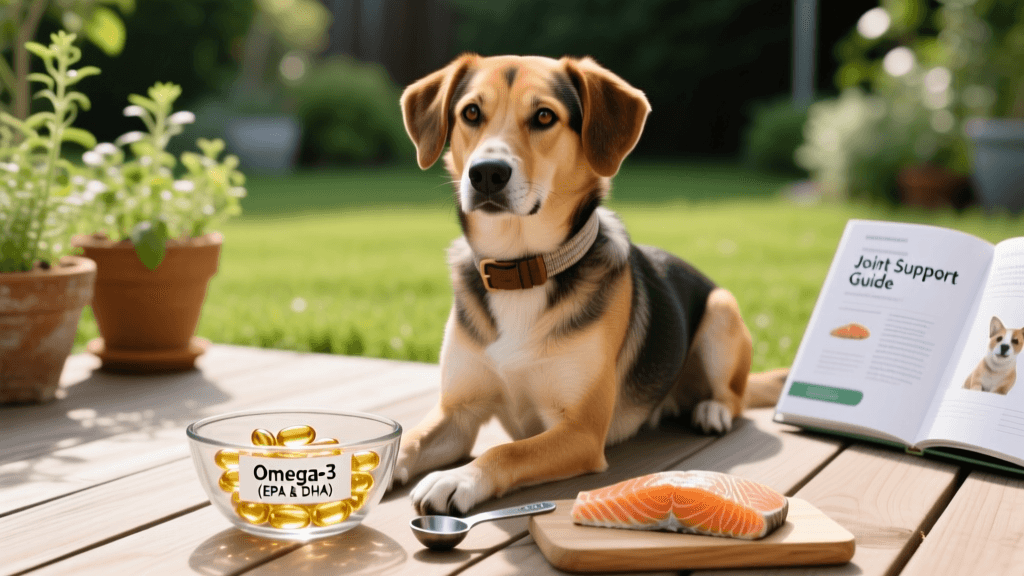
Equally important are Omega-3 fatty acids, specifically EPA and DHA, which are potent natural anti-inflammatories. I recommend liquid fish oils like Welactin or Nordic Naturals Omega-3 Pet. The therapeutic dosage for joint inflammation is much higher than what is listed on standard pet food bags: you need approximately 300mg of combined EPA/DHA per 10 pounds of body weight daily. Always consult your vet before starting high-dose fish oil, as it can interact with blood-clotting mechanisms.
Q: When is it time to prescribe NSAIDs or other pain medications?
Dr. Jenkins: Supplements are preventative and supportive, but they are not painkillers. When a dog's quality of life is impacted—meaning they are reluctant to eat, play, or move—it is time for pharmaceutical intervention. Non-Steroidal Anti-Inflammatory Drugs (NSAIDs) like Carprofen (Rimadyl) or Meloxicam are the first line of defense. They typically cost between $20 and $50 per month, depending on the dog's size. According to the FDA guidelines on canine NSAIDs, these medications are highly effective but require baseline and bi-annual bloodwork (a Comprehensive Metabolic Panel) to monitor liver and kidney function.
For dogs that cannot tolerate NSAIDs, or as an adjunct therapy, I frequently use Adequan (polysulfated glycosaminoglycan) injections. Adequan actually inhibits the enzymes that break down cartilage. A loading dose series (usually 6 to 8 injections over a few weeks) costs around $150 to $250 and can yield remarkable improvements in mobility.
Canine Fitness Trainer Perspective: Movement and Environment
Q: How should we adjust exercise routines for arthritic dogs?
Mark Davies: The biggest mistake owners make is sticking to a 'weekend warrior' routine—doing nothing all week and then taking the dog on a grueling 3-mile hike on Saturday. This causes massive inflammatory flare-ups. Arthritic dogs need consistent, low-impact, daily movement to keep synovial fluid lubricating the joints.
I highly recommend replacing high-impact fetch sessions with 'Sniffaris.' A Sniffari is a decompression walk on a long leash (15-20 feet) where the dog dictates the pace and spends the majority of the time sniffing. Mentally, 15 minutes of intense sniffing tires a dog out as much as an hour of physical walking, without the repetitive pounding on their joints. For physical conditioning, hydrotherapy (underwater treadmill sessions) is unparalleled. The buoyancy of the water removes up to 90% of the dog's body weight from their joints while providing resistance to build muscle. Expect to pay $75 to $120 per session. The American Kennel Club's guide on arthritis also heavily advocates for swimming and controlled leash walking as the safest exercises for senior dogs.
Q: What home modifications make the biggest impact on daily comfort?
Mark Davies: Environment is everything. Slippery hardwood or tile floors are an arthritic dog's worst enemy; they force the dog to tense their muscles constantly to avoid splaying out, which leads to chronic fatigue and pain. Lay down interlocking foam mats or inexpensive yoga mats in high-traffic areas and near their food bowls.
Next, eliminate the need for jumping. If your dog sleeps on the bed or rides in the car, invest in a sturdy ramp. The rule of thumb for a safe incline is that the ramp length should be at least three times the height of the destination. For example, a 24-inch high bed requires a 72-inch ramp to maintain a safe 18-degree incline. Finally, upgrade their bed. Standard plush beds flatten out and offer zero joint support. Orthopedic beds made of high-density, human-grade memory foam, such as the Big Barker (which retails around $250-$300), prevent pressure sores and keep the hips and shoulders properly aligned during sleep.
Comparison Chart: Top Veterinary-Recommended Joint Supplements
To help you navigate the options, we have compiled a comparison of the most frequently recommended joint supplements in veterinary practice. As noted by experts at PetMD's osteoarthritis resource, combining these supplements with weight management is critical for success.
| Brand Name | Key Active Ingredients | Best For | Est. Monthly Cost (Large Dog) |
|---|---|---|---|
| Dasuquin Advanced | Glucosamine, Chondroitin, ASU, Boswellia, Omega-3s | Severe OA & post-surgery recovery | $70 - $85 |
| Cosequin DS Plus MSM | Glucosamine, Chondroitin, MSM (Methylsulfonylmethane) | Mild to moderate OA maintenance | $45 - $60 |
| GlycoFlex III | Perna Canaliculus (Green Lipped Mussel), Glucosamine, MSM | Active dogs needing joint & muscle support | $55 - $70 |
| Welactin Canine (Liquid) | High-concentration Omega-3 (EPA/DHA) from cold-water fish | Systemic inflammation & coat health | $30 - $45 |
Conclusion: A Multi-Modal Approach to Canine Joint Health
Managing arthritis in senior dogs is not about finding a single 'magic pill.' It requires a multi-modal approach that combines veterinary medicine, targeted nutrition, environmental modifications, and mindful exercise. By maintaining your dog at a lean, healthy weight, providing high-quality joint support, and adapting your home to their physical needs, you can significantly slow the progression of osteoarthritis. Always consult with your primary care veterinarian to tailor a pain management and fitness plan specific to your dog's unique medical history, ensuring their golden years are truly golden.
robin-maitland
All our authors care for dogs every day — read more of their work on the authors page.