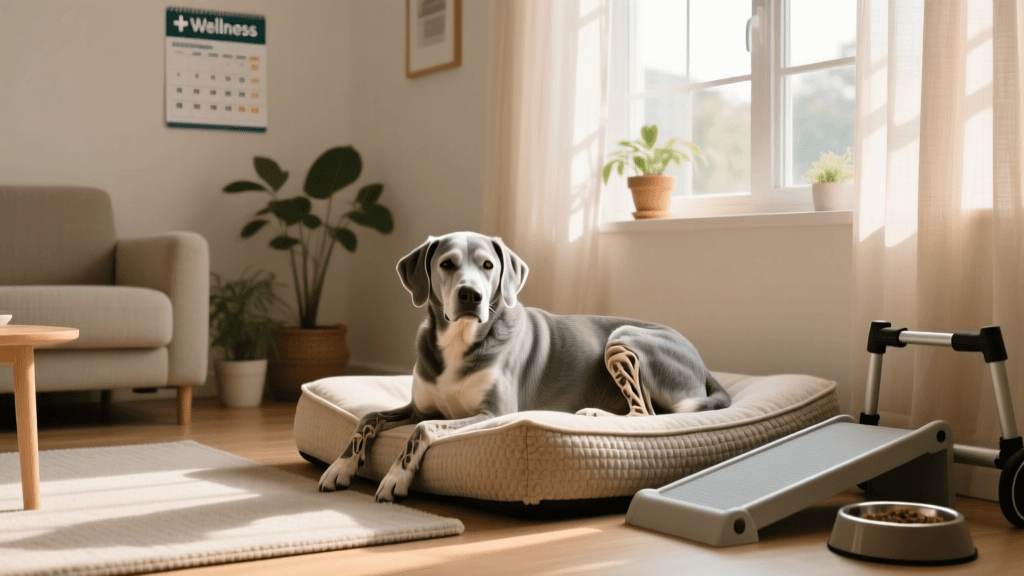
Adopting a Dog With Osteoarthritis: 2026 Home Prep & Treatment
Adopting a senior dog with osteoarthritis? Discover 2026 home prep essentials, mobility aids, and the latest veterinary treatments for joint pain.
Adopting a senior dog is one of the most compassionate and rewarding choices a pet parent can make. Older dogs often come with established personalities, lower energy requirements, and a profound sense of gratitude. However, bringing an aging companion into your home also means preparing for age-related health conditions. The most prevalent of these is canine osteoarthritis (OA), a degenerative joint disease that affects mobility, comfort, and overall quality of life. According to the American College of Veterinary Surgeons, osteoarthritis is a progressive condition that requires a multifaceted approach to management.
If you are in the process of adopting a dog with pre-existing joint issues, or if you are selecting a breed highly predisposed to hip and elbow dysplasia, proactive preparation is essential. As of 2026, veterinary medicine and pet care technology have advanced significantly, offering new ways to keep arthritic dogs comfortable, mobile, and happy. This comprehensive guide will walk you through evaluating a dog's mobility during the adoption process, preparing your home with the latest 2026 mobility aids, and understanding the most current veterinary treatments for canine osteoarthritis.
Evaluating Mobility During the Adoption Meet-and-Greet
When visiting a shelter or foster home, it can be difficult to spot the subtle signs of osteoarthritis, especially if the dog is resting or stiff from being in a kennel. To accurately assess a dog's joint health before finalizing your adoption, request a structured walk on a flat, non-slip surface. Pay close attention to the following indicators:
- Hesitation: Does the dog pause before jumping onto a bench, climbing stairs, or entering a vehicle?
- Gait Abnormalities: Look for a 'bunny-hopping' gait in the hind legs, a shortened stride, or a subtle limp that worsens as the walk continues.
- Posture Shifts: Dogs with hip OA often shift their weight forward, resulting in heavily muscled front shoulders and atrophied (wasted) hind thigh muscles.
- Behavioral Cues: Flinching when touched along the lower back or hips, or excessive licking over specific joints, can indicate localized chronic pain.
Always ask the rescue organization for the dog's complete veterinary records. If the dog has already been diagnosed with OA, ask what medications or supplements they are currently receiving. This baseline information will be invaluable when you schedule your first-day wellness exam with your own veterinarian.
Essential Home Modifications for Arthritic Dogs (2026 Guide)
Preparing your home before your new dog arrives is critical for preventing falls and reducing joint strain. The goal is to create an environment that minimizes the need for jumping, slipping, and awkward bending. Here are the top home prep essentials for 2026:
1. Advanced Orthopedic Bedding
Standard dog beds do not provide the structural support required for arthritic joints. In 2026, the gold standard for canine OA is high-density, human-grade orthopedic foam. Brands like the Big Barker Orthopedic Dog Bed utilize proprietary open-cell foam that prevents the bed from flattening out over time, ensuring consistent joint relief. Place beds in draft-free areas and consider models with integrated, low-voltage therapeutic heating elements to soothe stiff joints during colder months.
2. Ramps and Pet Stairs
Jumping on and off furniture or into vehicles places immense concussive force on compromised joints. Invest in high-traction ramps for your vehicle and SUV. For indoor use, pet stairs with a gentle incline and non-slip carpet treads are essential for allowing your dog to access the couch or bed safely. Look for adjustable ramps, such as the 2026 PetSafe Solvit Woodtone series, which offer customizable heights and side rails for added security.
3. Traction Solutions for Hard Flooring
Hardwood, tile, and laminate floors are incredibly hazardous for dogs with OA. A single slip can lead to a cruciate ligament tear or a severe arthritis flare-up. Cover high-traffic pathways with interlocking foam mats, rubber-backed runner rugs, or specialized canine traction socks. Alternatively, veterinary-recommended paw grips, such as PawFriction, apply a safe, non-toxic rubberized coating directly to the dog's paw pads to prevent sliding on slick surfaces.
4. Ergonomic Feeding Stations
Bending down to the floor to eat and drink puts unnecessary strain on the neck, shoulders, and front limbs. Elevate your dog's food and water bowls to chest height. This simple adjustment promotes better digestion and significantly reduces daily joint stress.
2026 Veterinary Treatments for Canine Osteoarthritis
Once your home is prepared, the next step is establishing a robust medical management plan with your veterinarian. The American Kennel Club emphasizes that OA cannot be cured, but it can be highly effectively managed through a multimodal approach. Here are the leading treatments available in 2026:
Monoclonal Antibodies (Anti-NGF Therapy)
The most significant breakthrough in recent years for canine OA is the use of monoclonal antibodies, specifically bedinvetmab (marketed as Librela). Unlike traditional painkillers that are metabolized by the liver or kidneys, this monthly injection targets Nerve Growth Factor (NGF) directly at the source of the pain signal. It has revolutionized OA management, offering profound pain relief with an exceptional safety profile, even for senior dogs with pre-existing renal or hepatic conditions.
NSAIDs and Daily Pain Management
Non-Steroidal Anti-Inflammatory Drugs (NSAIDs) like carprofen, meloxicam, and grapiprant remain foundational in reducing joint inflammation. The U.S. Food and Drug Administration (FDA) notes that while NSAIDs are highly effective, they require routine bloodwork monitoring to ensure the dog's liver and kidneys are processing the medication safely. Grapiprant, a newer class of NSAID (piprant), specifically targets the EP4 receptor, minimizing gastrointestinal side effects compared to older COX-inhibiting drugs.
Joint Supplements and Nutraceuticals
High-quality joint supplements are vital for supporting cartilage health and reducing synovial inflammation. Look for veterinary-formulated chews containing a synergistic blend of Glucosamine Hydrochloride, Chondroitin Sulfate, MSM, and Omega-3 fatty acids (EPA/DHA). Products like Dasuquin Advanced or GlycoFlex Plus also include ASU (Avocado/Soybean Unsaponifiables) and Boswellia serrata, which have been clinically shown to improve joint function and comfort in aging dogs.
Alternative and Regenerative Therapies
In 2026, holistic and regenerative therapies are frequently integrated into conventional treatment plans. Class IV Cold Laser Therapy reduces cellular inflammation and promotes tissue healing. Hydrotherapy (underwater treadmills) allows dogs to build supporting muscle mass without bearing full weight on their joints. Additionally, regenerative medicine options, such as stem cell therapy and Platelet-Rich Plasma (PRP) injections, are becoming more accessible for targeting severe, localized joint degradation.
2026 Osteoarthritis Treatment Comparison Chart
Use the table below to discuss options with your veterinarian and build a customized, multimodal pain management plan for your newly adopted dog.
| Treatment Modality | Primary Function | Administration Frequency | Best Suited For |
|---|---|---|---|
| Anti-NGF (Librela) | Blocks pain signaling pathways | Monthly subcutaneous injection | Dogs with renal/liver issues; severe chronic pain |
| NSAIDs (e.g., Carprofen) | Reduces joint inflammation | Daily oral chew or liquid | Active dogs with acute flare-ups; healthy organ function |
| EP4 Antagonist (Grapiprant) | Targets specific pain receptors | Daily oral tablet | Dogs prone to NSAID gastrointestinal side effects |
| Nutraceuticals (Omega-3s, ASU) | Supports cartilage matrix | Daily oral supplement | All stages of OA; early intervention and maintenance |
| Class IV Laser Therapy | Increases cellular circulation | 1-2 times per week (in-clinic) | Post-exercise soreness; localized joint stiffness |
Your First-Week Action Plan
The first week with your newly adopted senior dog should be focused on decompression and baseline health assessments. Keep the environment quiet, limit strenuous exercise to short, leashed sniff-walks on soft grass, and allow your dog to acclimate to their new orthopedic bed and traction-modified floors.
Schedule a comprehensive veterinary exam within the first seven days. Bring all shelter medical records and request a full senior blood panel, including thyroid function, to establish a baseline before starting any daily NSAIDs. Discuss implementing a multimodal approach immediately—combining a monthly anti-NGF injection, a high-quality joint supplement, and strict environmental modifications. By combining the latest 2026 veterinary advancements with a thoughtfully prepared home, you can ensure your newly adopted companion enjoys their golden years with comfort, dignity, and joy.
hannah-wickes
All our authors care for dogs every day — read more of their work on the authors page.