8 to 12 Week Puppy Stage: Your First Month Home Guide
Discover essential care tips for the 8 to 12 week puppy stage. Learn about feeding, potty training, socialization, and sleep schedules for your new pup.
Welcome to the 8 to 12 Week Puppy Stage
Bringing a new puppy home is an exhilarating experience, but the 8 to 12-week life stage is widely considered one of the most demanding periods for new dog owners. Often referred to as the "toddler phase," this critical window is packed with rapid physical growth, intense brain development, and foundational learning. During this first month home, your puppy is essentially a blank slate, absorbing every sight, sound, and interaction to form their lifelong temperament and habits. This comprehensive life stage care guide will walk you through the exact developmental milestones, feeding schedules, potty training blueprints, and socialization strategies you need to thrive during your puppy's first month in your home.
Physical and Mental Developmental Milestones
Between eight and twelve weeks of age, your puppy is transitioning from the safety of their littermates to the vast, unpredictable human world. According to the American Kennel Club (AKC), this period marks the end of the primary socialization window and the beginning of the crucial human socialization phase. Mentally, your puppy's brain is highly receptive to new experiences, but they are also entering their first "fear period." This means that traumatic or overly stressful events during these four weeks can leave a lasting psychological imprint. Physically, you will notice a sudden clumsiness as their legs grow faster than their bodies can coordinate. Their baby teeth are razor-sharp, and their bite inhibition is virtually non-existent, making it the perfect time to begin gentle redirection training.
Feeding Schedule and Nutrition Requirements
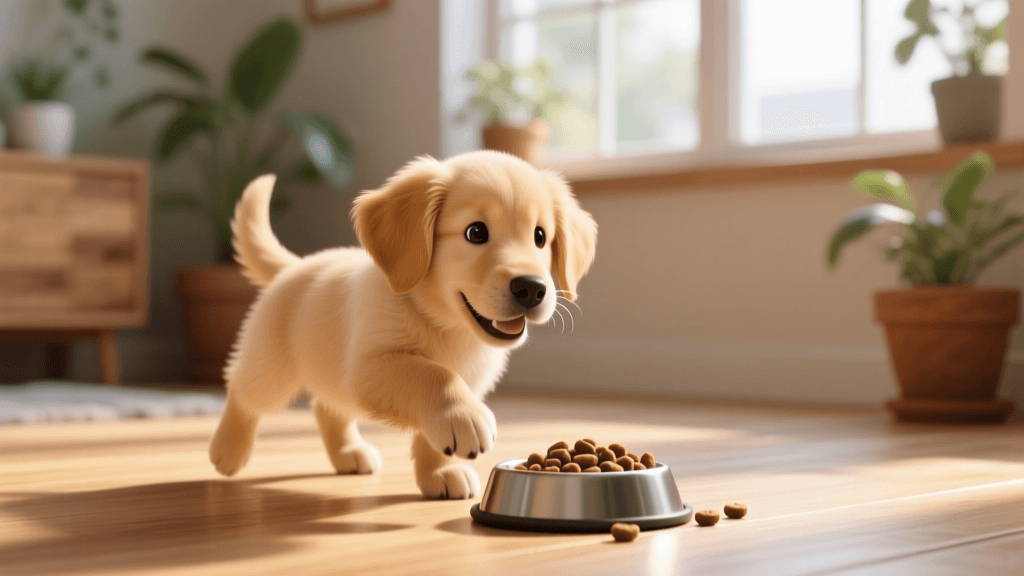
Proper nutrition is the cornerstone of healthy development. The ASPCA recommends feeding puppies in this age bracket three to four times a day to maintain stable blood sugar levels and support their hyperactive metabolisms. An 8-week-old puppy has a remarkably small stomach, meaning they cannot consume a full day's caloric intake in just one or two sittings.
Specific Measurements and Product Recommendations
For a medium-sized breed puppy (expected adult weight of 30-50 lbs), you should aim to feed approximately 1/2 to 1.5 cups of high-quality, AAFCO-approved puppy kibble per day, divided evenly into three or four meals. Always ensure fresh water is available, but monitor intake to prevent accidents; a good rule of thumb is 1/2 cup of water every two hours during active periods. We highly recommend Royal Canin Size Health Nutrition Puppy (approx. $65 for a 15lb bag) or Purina Pro Plan Puppy DHA Brain Development (approx. $55 for an 18lb bag) for their optimal DHA and calcium-to-phosphorus ratios.
The Potty Training Blueprint
Potty training an 8 to 12-week-old puppy requires immense patience, consistency, and a strict schedule. At this life stage, a puppy's bladder control is rudimentary. A general veterinary rule of thumb is that a puppy can hold their bladder for one hour per month of age, meaning your 8-week-old pup needs a bathroom break every two hours maximum. However, during active play or immediately after eating, this window shrinks to 15-30 minutes.
To succeed, utilize a high-quality enzymatic cleaner like Nature's Miracle Advanced Stain and Odor Eliminator (approx. $12) to completely break down uric acid crystals. Standard household cleaners often contain ammonia, which actually smells like urine to a dog and will encourage them to soil the same spot repeatedly. Take your puppy to the exact same outdoor spot every time, use a consistent verbal cue like "go potty," and immediately reward them with a high-value treat (such as Zuke's Mini Naturals) the second they finish. Never punish a puppy for indoor accidents; they simply lack the physical capacity to hold it.
Navigating the First Fear Period and Socialization
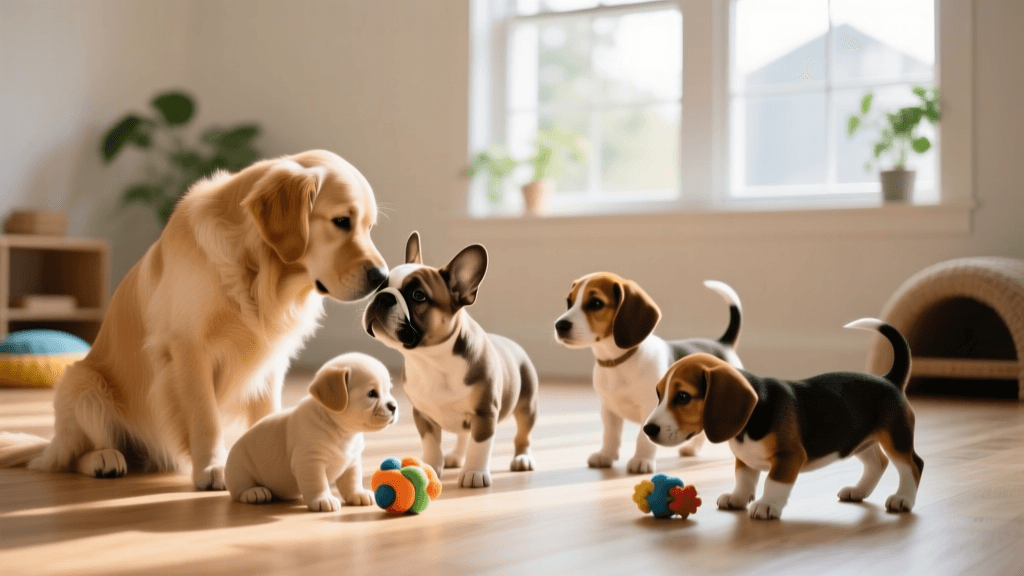
Socialization is not merely about letting your puppy play with other dogs; it is about exposing them to novel stimuli in a positive, controlled manner. The Humane Society of the United States emphasizes that positive reinforcement and gentle exposure are key to preventing future behavioral issues. During the 8 to 12-week stage, you must carefully manage their environment to avoid triggering their first fear period.
"Socialization is about quality, not quantity. A single positive encounter with a friendly, vaccinated adult dog is worth far more than an overwhelming hour at a crowded dog park."
Create a "socialization checklist" that includes exposure to:
- Different floor textures (grass, gravel, tile, metal grates)
- Household noises (vacuums, blenders, doorbells)
- Various types of people (children, individuals wearing hats, people using umbrellas)
- Handling exercises (gently touching paws, ears, and inside the mouth)
Keep these sessions short—no more than 10 to 15 minutes—and always pair novel experiences with high-value rewards. Because your puppy is not fully vaccinated against Parvovirus or Distemper until roughly 16 weeks of age, avoid public dog parks and high-traffic pet stores. Instead, carry your puppy in a sling or invite healthy, fully vaccinated dogs to your sanitized backyard for controlled playdates.
Sleep, Crate Training, and Enforced Naps
It often surprises new owners that puppies aged 8 to 12 weeks require between 18 and 20 hours of sleep per day. Just like human toddlers, puppies become overtired, cranky, and prone to nipping when they do not get enough rest. Implementing "enforced naps" in a crate is one of the most effective life stage management tools you can utilize.
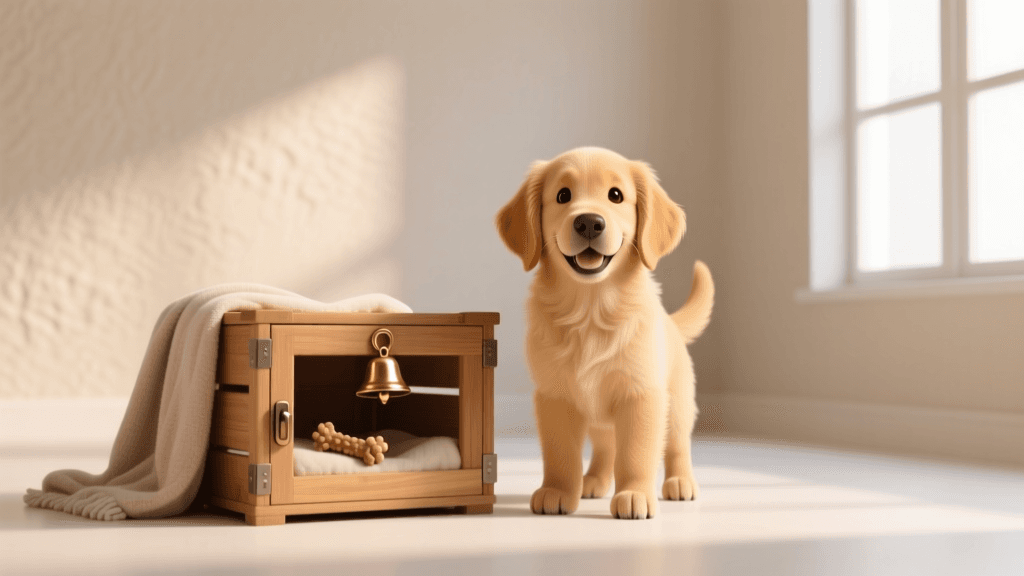
Invest in a wire crate with a divider panel, such as the MidWest Homes for Pets iCrate (approx. $50), allowing you to adjust the interior space as your puppy grows. The crate should only be large enough for them to stand up, turn around, and lie down comfortably. To ease the transition and reduce nighttime whining, place a SmartPet Love Snuggle Puppy (approx. $40) inside the crate. This toy features a simulated heartbeat and heat pack that mimics the feeling of sleeping next to littermates, drastically reducing separation anxiety and promoting deeper sleep cycles.
Daily Schedule Table for an 8-Week-Old Puppy
Establishing a predictable routine reduces anxiety and accelerates potty training. Below is a structured daily schedule optimized for the 8 to 12-week life stage:
| Time Block | Activity | Actionable Details |
|---|---|---|
| 7:00 AM | Wake Up & Potty | Carry puppy immediately outside to the designated potty spot. |
| 7:15 AM | Breakfast | Feed 1/3 of daily kibble allowance. Wait 15 mins, then potty again. |
| 7:45 AM | Active Play & Training | 5-10 minutes of gentle play and basic 'sit' or 'name recognition' training. |
| 8:00 AM | Enforced Nap | Place in crate with Snuggle Puppy. Expect 2-3 hours of sleep. |
| 11:00 AM | Potty & Socialization | Outdoor potty, followed by exposure to new sounds or textures in the yard. |
| 12:00 PM | Lunch | Second meal. Followed by a quick potty break and chewing time (Kong toy). |
| 1:00 PM | Enforced Nap | Crate time. Puppies need massive amounts of daytime sleep for brain development. |
| 4:00 PM | Potty & Interactive Play | Potty break, gentle tug-of-war, and handling exercises (touching paws/ears). |
| 5:00 PM | Dinner | Final meal of the day. Potty break 15 minutes later. |
| 6:00 PM | Wind Down & Nap | Quiet chewing or licking mat to lower heart rate, followed by a short nap. |
| 9:30 PM | Final Potty & Bedtime | Remove water at 8:00 PM. Final potty trip, then into the crate for the night. |
| 2:00 AM | Midnight Potty (Optional) | Set an alarm for a quiet, boring potty break if the puppy whines. |
Estimated Costs for the First Month
Budgeting accurately for the 8 to 12-week stage prevents financial stress. Expect to spend between $250 and $400 on initial setup and consumables during this first month. This includes the cost of a high-quality crate ($50), enzymatic cleaners ($15), initial veterinary wellness exams and first rounds of vaccinations ($100-$150), premium puppy food ($60), and essential soothing toys like the Snuggle Puppy and frozen Kongs ($60). By investing in the right tools and dedicating time to structured routines during this fleeting 8 to 12-week window, you are building the foundational trust and behavioral framework that will result in a confident, well-adjusted adult dog.
aaron-whyte
All our authors care for dogs every day — read more of their work on the authors page.