The Science of Sniffaris: How Decompression Walks Benefit Dogs
Discover the science behind decompression walks and sniffaris. Learn how sniffing lowers canine cortisol, reduces stress, and improves daily behavior.
The Hidden Stress in Traditional Dog Walks
For decades, the standard advice for dog owners has been simple: walk your dog for at least thirty to sixty minutes a day to burn off excess energy. However, modern canine behavioral science reveals a flaw in this traditional approach. While cardiovascular exercise is vital for joint health and muscle tone, a brisk, heel-focused walk around the neighborhood often fails to address a dog's primary need for cognitive stimulation. In fact, forcing a highly aroused or anxious dog into a structured, fast-paced walk can inadvertently elevate their stress hormones, leading to leash reactivity, pulling, and persistent hyperactivity at home.
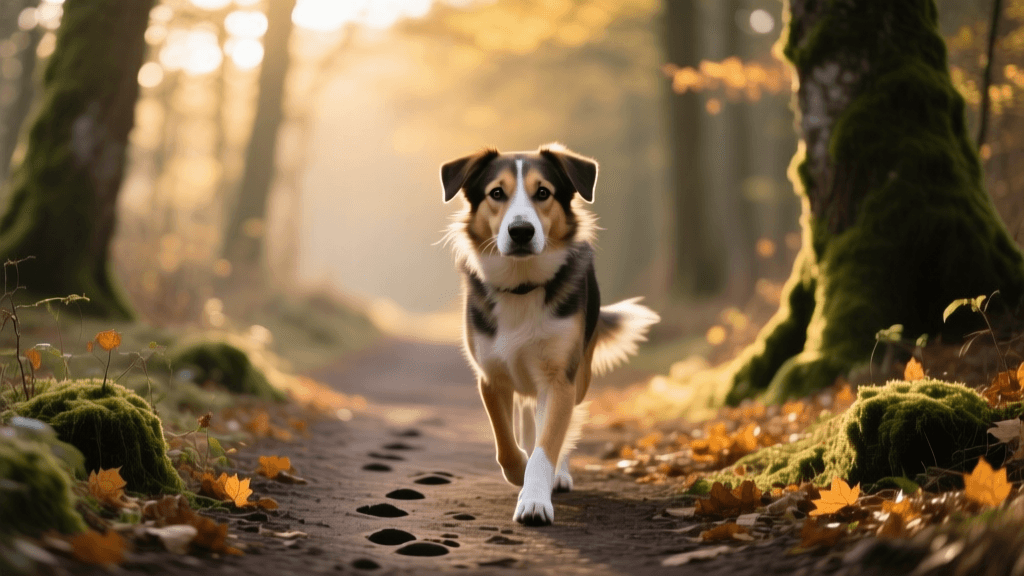
Enter the 'Sniffari' or decompression walk. Rooted in veterinary behavioral science and canine cognition research, the decompression walk shifts the focus from physical distance to sensory exploration. By allowing dogs to engage deeply with their environment through scent, owners can trigger profound neurological changes that promote relaxation, mental fatigue, and emotional regulation. Understanding the science behind this practice will fundamentally change how you approach your daily routine with your dog.
The Neurology of the Canine Nose
To understand why sniffing is so exhausting and beneficial for dogs, we must look at canine neuroanatomy. While humans possess approximately six million olfactory receptors, dogs have up to 300 million, depending on the breed. Furthermore, the olfactory bulb—the brain structure dedicated to processing scents—is proportionally about forty times larger in dogs than in humans. According to research from the Barnard College Dog Cognition Lab, a dog's brain dedicates a massive amount of neural real estate to analyzing odor profiles, which include not just what an animal is, but its sex, health status, emotional state, and how long ago it passed by.
When a dog engages in deep sniffing, they are also utilizing the vomeronasal organ (Jacobson's organ), located just above the roof of the mouth. This specialized sensory pathway processes pheromones and complex chemical signals. Processing this immense volume of sensory data requires significant glucose and cognitive energy. Veterinary behaviorists often note that twenty minutes of intense, uninterrupted sniffing can mentally tire a dog out just as much as an hour of vigorous running. This cognitive fatigue is crucial for high-energy breeds, working lines, and anxious dogs who struggle to settle in the home environment.
Cortisol, Heart Rate, and the Parasympathetic Nervous System
One of the most compelling science-backed benefits of the decompression walk is its effect on the autonomic nervous system. When a dog is rushed, corrected on the leash, or forced to ignore environmental triggers, their sympathetic nervous system (the 'fight or flight' response) remains engaged. This keeps cortisol and adrenaline levels high.
Conversely, deep sniffing activates the parasympathetic nervous system, which is responsible for 'rest and digest' functions. Studies in canine welfare indicate that when dogs are allowed to sniff freely with a loose leash, their heart rates physically drop. Sniffing acts as a natural behavioral beta-blocker. Organizations like Fear Free Pets heavily advocate for olfactory enrichment as a primary tool for reducing fear, anxiety, and stress (FAS) in companion animals. By lowering the heart rate through scent work, dogs transition from a state of hyper-vigilance to one of calm observation, making them more receptive to training and less likely to react explosively to passing triggers.
Physical vs. Mental Fatigue: A Comparison
Understanding the difference between physical cardio and mental decompression is key to building a balanced weekly routine. Below is a comparison of how these two walking styles impact your dog's physiology and behavior.
| Metric | Traditional Cardio Walk | Decompression Sniffari |
|---|---|---|
| Primary Goal | Physical exertion, muscle tone, joint mobility | Cognitive fatigue, stress reduction, sensory processing |
| Pace and Movement | Steady, brisk, human-directed pace | Slow, meandering, dog-directed pace |
| Leash Tension | Often tight; requires heel or loose-leash training | Consistently loose; utilizes a long line |
| Heart Rate Impact | Elevates heart rate (sympathetic arousal) | Lowers heart rate (parasympathetic activation) |
| Cortisol Levels | May increase if dog is stressed or reactive | Decreases; promotes natural cortisol regulation |
| Post-Walk Behavior | Dog may drink water, sleep, or remain wired | Dog typically exhibits deep, settled resting behavior |
Essential Gear for a Science-Backed Sniffari
You cannot execute a proper decompression walk on a standard six-foot nylon leash and a neck collar. Restricting a dog's movement creates physical tension that translates into psychological frustration. To facilitate a true Sniffari, you need specific, welfare-focused gear.
1. The Y-Front Harness
A Y-front harness is non-negotiable for decompression walks. Unlike restrictive step-in harnesses that impede shoulder extension, a Y-front harness allows for a full, natural range of motion. When a dog leans forward to investigate a scent, the pressure is distributed safely across the sternum rather than the delicate trachea. Tracheal pressure triggers a gag reflex and spikes panic, completely defeating the purpose of a calming walk. Product Recommendation: The Ruffwear Front Range or the Haqihana Harness. Estimated Cost: $35 to $45.
2. The Biothane Long Line
To give your dog the freedom to explore while maintaining safety in unfenced areas, a long line is required. A 15-foot to 30-foot leash allows the dog to move away from you to investigate a bush or tree without pulling you off balance. Material Science: Avoid nylon or cotton long lines, which absorb moisture, harbor bacteria, and cause severe friction burns if they slip through your hands. Instead, invest in Biothane. Biothane is a polyester webbing with a TPU/PVC coating that is waterproof, stink-proof, and glides smoothly through your hands. Product Recommendation: A 15-foot, 3/8-inch Biothane leash from a specialized maker like Modern Dog Design or Mighty Leash. Estimated Cost: $30 to $50.
3. High-Value Scent Dispersal (Optional)
For dogs who are initially confused by the freedom to sniff, you can 'seed' the environment. Tossing a handful of kibble or freeze-dried liver into tall grass engages their natural foraging instincts and kickstarts the olfactory processing center. Product Recommendation: Ziwi Peak air-dried venison or beef treats. Estimated Cost: $15 per bag.
Executing the Decompression Protocol
Transitioning from a traditional walk to a Sniffari requires patience, especially if your dog is accustomed to rushing from point A to point B. Follow this science-backed protocol to retrain your walking routine:
- The 3-Second Rule: When your dog stops to sniff a spot, do not pull them away immediately. Research suggests it takes a dog a minimum of three to five seconds to fully process a complex scent mark. Stand still, keep the leash loose, and allow them to finish their 'chemical reading.'
- Follow the Dog's Lead: On a Sniffari, the dog chooses the direction and the pace. If they want to spend four minutes investigating a single oak tree, let them. Your only job is to manage the long line to prevent tangling and ensure safety near roads.
- Practice Human Silence: Humans have a habit of constantly talking to their dogs, offering praise, or giving commands. During a decompression walk, remain quiet. Verbal stimuli force the dog to shift their attention from their olfactory senses to their auditory processing, breaking their state of sensory flow.
- The Check-In Reward: Every time your dog voluntarily looks back at you or chooses to walk back in your direction without being prompted, calmly drop a high-value treat on the ground. This reinforces the behavior of checking in without demanding eye contact or a formal sit.
Timing, Frequency, and Real-World Implementation
When should you schedule a Sniffari? Canine cortisol levels naturally peak in the early morning upon waking and can spike again in the late afternoon. Scheduling a 20-minute decompression walk between 6:00 AM and 8:00 AM can help regulate your dog's baseline stress levels for the entire day, leading to a calmer dog while you are at work.
Additionally, Sniffaris are highly effective as a 'reset' tool. If your dog has just experienced a stressful event—such as a nail trim, a veterinary visit, or the departure of house guests—do not put them in a crate immediately. Take them on a 15-minute sniffari in a quiet, familiar green space. The rhythmic breathing and parasympathetic activation will help metabolize the circulating adrenaline.
According to canine behavior experts featured on Companion Animal Psychology, alternating between physical cardio walks and mental decompression walks provides the most holistic welfare benefits. Aim for three to four Sniffaris a week, utilizing local parks, quiet suburban edges, or even a friend's large, unfenced yard (with permission). The total cost of upgrading your gear to a Y-harness and Biothane line is roughly $80—a minor investment that yields massive dividends in your dog's behavioral health, longevity, and daily happiness.
Conclusion
The science is clear: a dog's nose is their primary interface with the world. By shifting our perspective from measuring walks in miles to measuring them in sensory engagement, we can profoundly improve our dogs' quality of life. The decompression walk is not a sign of laziness; it is a deliberate, science-backed enrichment strategy that honors canine biology. Equip yourself with a long line, step into the grass, and let your dog read the chemical newspaper of their neighborhood. You will both return home calmer, more connected, and genuinely fulfilled.
tom-renshaw
All our authors care for dogs every day — read more of their work on the authors page.