Science-Backed Joint Supplements for Dogs: What Really Works?
Discover which science-backed joint supplements actually work for dogs with osteoarthritis, including exact dosages, top ingredients, and clinical evidence.
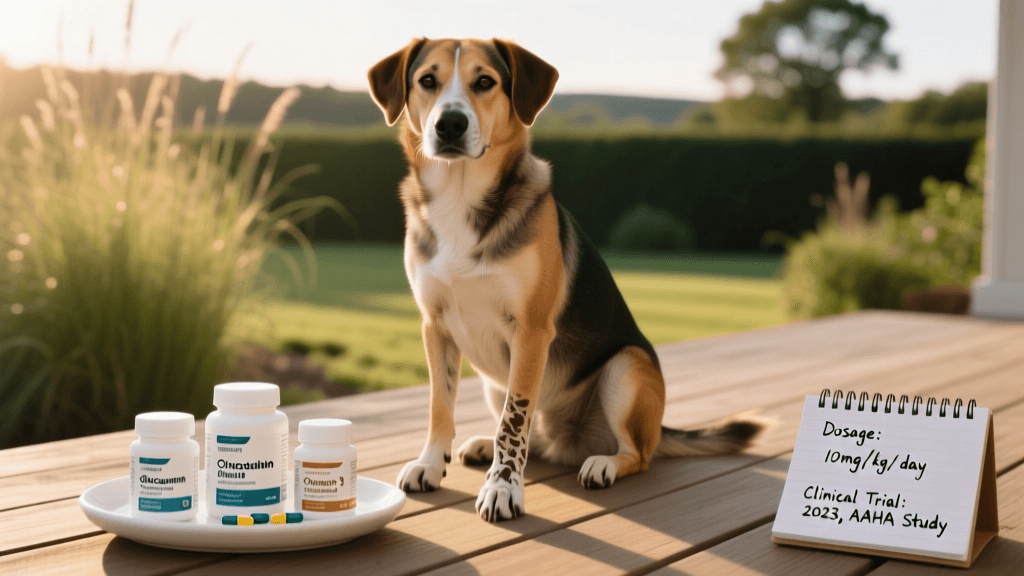
The Science of Canine Osteoarthritis and Supplementation
Canine osteoarthritis (OA) is a progressive, degenerative joint disease that affects up to 20% of adult dogs and over 80% of senior dogs. Characterized by the breakdown of articular cartilage, chronic inflammation, and debilitating pain, OA severely diminishes a dog's quality of life. While non-steroidal anti-inflammatory drugs (NSAIDs) remain a cornerstone of veterinary pain management, long-term use can carry risks for the liver, kidneys, and gastrointestinal tract. Consequently, millions of dog owners turn to joint supplements. However, the pet supplement market is largely unregulated and flooded with 'snake oil' products that make bold claims without clinical backing.
To truly support your dog's mobility, we must look past marketing hype and focus on science-backed insights. This guide breaks down the biochemical efficacy, exact clinical dosages, and bioavailability of the most researched joint supplements available today, helping you build a cost-effective, science-based protocol for your dog's joint health.
Top Science-Backed Joint Ingredients
1. Omega-3 Fatty Acids (EPA and DHA)
Omega-3 fatty acids, specifically eicosapentaenoic acid (EPA) and docosahexaenoic acid (DHA), are among the most rigorously studied supplements for canine OA. Unlike plant-based omega-3s (ALA) found in flaxseed, which dogs poorly convert to active forms, marine-derived EPA and DHA directly alter cellular inflammation pathways. They work by downregulating the COX-2 and LOX enzymes, effectively reducing the production of inflammatory prostaglandins and leukotrienes in the joint capsule.
Clinical Dosage: The therapeutic dose for canine osteoarthritis is significantly higher than standard maintenance doses. Research indicates a target of 300 mg of combined EPA/DHA per 10 kg (22 lbs) of body weight daily.
Actionable Advice: Liquid fish oils are generally more cost-effective and bioavailable than soft chews. A high-quality product like Nordic Naturals Omega-3 Pet or Grizzly Wild Salmon Oil costs approximately $0.40 to $0.60 per day for a 30 kg (66 lbs) dog. Always administer fish oil with a fat-containing meal to maximize absorption, and store the bottle in the refrigerator to prevent lipid oxidation.
2. Green-Lipped Mussel (GLM)
Sourced from the Perna canaliculus mollusk native to New Zealand, Green-Lipped Mussel is a nutritional powerhouse. GLM contains a unique omega-3 variant called eicosatetraenoic acid (ETA), which is exceptionally potent at inhibiting the COX-2 enzyme. Furthermore, GLM provides a natural matrix of glycosaminoglycans (GAGs), amino acids, and antioxidants that support cartilage matrix synthesis.
Clinical Dosage: Studies suggest an effective dose of 20 to 40 mg of GLM extract per kilogram of body weight daily. Products like GlycoFlex Plus utilize standardized GLM extracts to ensure consistent ETA levels.
Cost & Timing: Expect to spend around $35 to $50 for a one-month supply for a medium-sized dog. Clinical improvements in weight-bearing and lameness are typically observed between 4 to 6 weeks of consistent daily administration.
3. Undenatured Type II Collagen (UC-II)
UC-II represents a paradigm shift in joint care. Rather than providing raw building blocks for cartilage, UC-II works via a mechanism called 'oral tolerance.' When undenatured type II collagen interacts with the gut-associated lymphoid tissue (GALT) in the intestines, it trains the immune system to stop attacking the body's own joint cartilage. This immunomodulatory effect drastically reduces autoimmune-mediated joint destruction.
Clinical Dosage: The clinically validated dose is remarkably small: exactly 10 mg of active UC-II per day (usually delivered in a 40 mg total capsule containing the active ingredient and excipients). VetriScience Laboratories and Dasuquin Advanced are notable brands utilizing patented UC-II.
Efficacy: According to a landmark study on undenatured type II collagen, UC-II outperformed traditional glucosamine/chondroitin combinations in improving overall joint comfort and mobility metrics in dogs.
4. Glucosamine Hydrochloride and Chondroitin Sulfate
These are the traditional heavyweights of joint supplements. Glucosamine serves as a precursor for glycosaminoglycan synthesis, while chondroitin sulfate helps retain water in the cartilage matrix, providing shock absorption. While the scientific consensus is slightly more mixed compared to Omega-3s, high-quality, pharmaceutical-grade sources remain a staple in multimodal OA management.
Clinical Dosage: A loading dose of 20-30 mg/kg of Glucosamine HCl is recommended for the first 4 weeks, followed by a maintenance dose of 10-15 mg/kg. Chondroitin should be dosed at 15-20 mg/kg daily.
Warning: Avoid cheap supplements that use glucosamine derived from low-quality agricultural sources. Look for products that specify 'Glucosamine HCl' or 'Glucosamine Sulfate' and carry third-party testing verification.
Ingredient Efficacy Comparison Chart
| Ingredient | Primary Mechanism of Action | Recommended Clinical Dose | Time to Efficacy | Scientific Consensus |
|---|---|---|---|---|
| Omega-3 (EPA/DHA) | COX-2 / LOX enzyme downregulation | 300mg per 10kg body weight | 3 to 6 weeks | Strong (Extensively validated) |
| Green-Lipped Mussel | ETA inflammation inhibition & GAG provision | 20-40mg per kg body weight | 4 to 8 weeks | Moderate to Strong |
| UC-II Collagen | Immune modulation (Oral Tolerance) | 10mg active UC-II daily | 4 to 6 weeks | Strong (Superior to Glucosamine in trials) |
| Glucosamine / Chondroitin | Cartilage matrix substrate & hydration | Glucosamine: 20mg/kg; CS: 15mg/kg | 6 to 8 weeks | Moderate (Highly variable bioavailability) |
Actionable Buying Guide: Avoiding the 'Proprietary Blend' Trap
When shopping for joint supplements, the ingredient label is your most vital tool. Many subpar products utilize 'proprietary blends,' a legal loophole that allows manufacturers to list ingredients without disclosing their exact amounts. This often means the product contains 95% cheap filler (like glucosamine) and only trace, clinically useless amounts of expensive ingredients (like Green-Lipped Mussel or UC-II).
'Effective management of canine osteoarthritis requires a multimodal approach. Nutraceuticals can play a significant adjunctive role, but only when dosed at clinically relevant levels and sourced from manufacturers who adhere to strict quality control standards.' — Principles of Multimodal Osteoarthritis Management, Veterinary Orthopedic Consensus.
The NASC Seal: Always look for the National Animal Supplement Council (NASC) Quality Seal on the packaging. The NASC requires independent third-party auditing, strict adverse event reporting, and randomized batch testing to ensure the product contains exactly what the label claims. A clinical study published in the Journal of the American Veterinary Medical Association highlighted the drastic differences in bioavailability and heavy metal contamination between NASC-certified omega-3 products and unverified market alternatives.
Building a Synergistic Joint Protocol
For dogs with moderate to severe osteoarthritis, relying on a single ingredient is rarely sufficient. The most effective science-backed protocol combines an immunomodulator, an inflammation inhibitor, and a cartilage substrate.
- Step 1: The Foundation (Daily Omega-3s). Pump 2-3 pumps of a triglyceride-form wild salmon oil over your dog's dinner. Cost: ~$0.50/day.
- Step 2: The Modulator (UC-II). Administer a 10mg UC-II capsule in the morning. Because it works via the gut immune system, it does not need to be given with food. Cost: ~$0.80/day.
- Step 3: The Builder (GLM or High-Dose Glucosamine). If your dog's cartilage degradation is advanced, add a standardized Green-Lipped Mussel extract to the morning meal. Cost: ~$1.00/day.
This multimodal stack costs approximately $2.30 per day (or $70 per month) for a 60 lb dog. While this may seem comparable to prescription NSAIDs, it carries zero risk of gastrointestinal ulceration or renal toxicity, making it a safe, lifelong investment in your dog's mobility.
Conclusion: Consistency is the Ultimate Catalyst
The most scientifically advanced joint supplement in the world will fail if administered inconsistently. Cartilage has no direct blood supply; it relies on the diffusion of nutrients through synovial fluid during joint movement. Therefore, daily, uninterrupted supplementation is non-negotiable. By prioritizing clinically validated dosages, demanding third-party testing, and combining synergistic ingredients like Omega-3s and UC-II, you can move beyond marketing gimmicks and provide your dog with genuine, science-backed relief from osteoarthritis.
robin-maitland
All our authors care for dogs every day — read more of their work on the authors page.