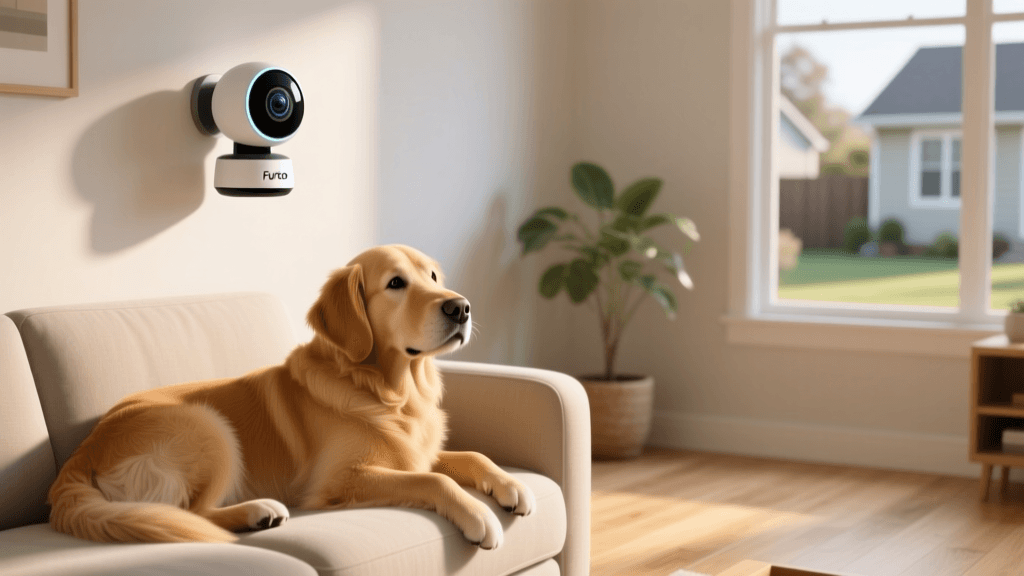
Furbo 360 Review: Easing Dog Separation Anxiety in 2026
Discover how the Furbo 360 dog camera helps manage canine separation anxiety in 2026 with our expert training protocol, feature review, and comparison.
The Modern Reality of Canine Separation Anxiety in 2026
As we navigate the hybrid work landscapes of 2026, the reality of leaving our dogs home alone remains a significant source of stress for both pets and owners. While the initial post-pandemic spikes in separation anxiety have stabilized, veterinary behaviorists are still seeing high caseloads of dogs struggling with alone time. Separation anxiety is not merely a behavioral quirk; it is a profound state of panic that occurs when a dog is separated from their attachment figures. According to the ASPCA, dogs with this condition exhibit extreme distress, often resulting in destructive behavior, excessive vocalization, and even self-injury.
Managing this condition requires a multi-modal approach combining behavioral modification, environmental enrichment, and sometimes pharmacological intervention. In recent years, smart pet technology has evolved from simple monitoring tools to active participants in behavioral therapy. The Furbo 360 dog camera has emerged as a leading device in this space, offering features specifically designed to interrupt anxiety cycles and facilitate counter-conditioning. In this comprehensive review, we explore how the Furbo 360 can be integrated into a modern separation anxiety protocol, compare it to 2026 market alternatives, and outline a step-by-step training guide.
Why the Furbo 360 Stands Out for Anxious Dogs
Standard security cameras are passive; they allow you to watch your dog panic but offer no way to intervene. The Furbo 360 is engineered for active engagement, which is critical for dogs experiencing isolation distress. Here is a breakdown of the specific features that make it a valuable tool for behavioral modification.
360-Degree Panning and Auto-Cruise
Anxious dogs rarely sit still. They often pace, follow owners from room to room, or hide in corners. The Furbo 360 features a motorized base that rotates a full 360 degrees, providing a complete view of the room. More importantly, its Auto-Cruise feature can be scheduled to slowly pan the room at randomized intervals. This unpredictable movement can capture the attention of a hyper-vigilant dog, breaking their fixation on the front door and redirecting their focus to the device.
Treat Tossing as Positive Reinforcement
The hallmark of the Furbo brand is its treat-tossing mechanism. For a dog with separation anxiety, the sound of the treat toss and the subsequent reward can be used to build a positive conditioned emotional response (+CER) to the camera itself, and by extension, to the owner's absence. In 2026, the Furbo 360 supports a wider variety of treat sizes and features a quieter dispensing motor, preventing the loud mechanical clunks that previously startled noise-sensitive dogs.
Smart Bark Alerts and Doggy Diary
Understanding the timeline of your dog's anxiety is crucial. Does your dog bark the moment you leave, or do they settle for an hour before panicking? The Furbo 360 utilizes AI-driven audio recognition to differentiate between standard barking, crying, and howling. It sends real-time push notifications to your smartphone, allowing you to intervene via two-way audio before the dog reaches a threshold of panic. The Doggy Diary feature compiles daily highlights, helping you track progress over weeks of training.
A 4-Week Furbo-Assisted Desensitization Protocol
Technology alone cannot cure separation anxiety; it must be paired with systematic desensitization and counter-conditioning. The American Kennel Club emphasizes that owners must work below their dog's anxiety threshold. Here is a structured 4-week protocol utilizing the Furbo 360.
Week 1: Baseline Assessment and Positive Association
Do not leave the house yet. Place the Furbo 360 in the room where your dog spends the most time. Spend a few days simply tossing treats from the camera while you are in the same room, then from another room. The goal is to make the camera a highly valued resource. Use the Doggy Diary to record your dog's baseline behavior when you are out of sight but still home (e.g., in the backyard or garage). Note any pacing or whining.
Week 2: Micro-Departures and Treat Tossing
Begin leaving the house for extremely short durations—literally 10 to 30 seconds. As you close the door, use the Furbo app to toss a high-value treat. Return before the dog finishes the treat or shows any signs of distress. Repeat this 10 to 15 times a day. The dog learns that the sound of the door closing predicts a treat from the camera, not a prolonged, stressful absence.
Week 3: Extending Duration and Auto-Cruise Integration
Gradually increase your absence to 1, 3, and then 5 minutes, provided the dog remains relaxed. Turn on the Auto-Cruise feature during these short absences. If the dog begins to pace toward the door, use the two-way audio to give a familiar, calm cue (like 'find it') and toss a treat to redirect them. If the dog shows panic, you have moved too fast; return to Week 2 durations.
Week 4: Real-World Departures and Enrichment
Extend absences to 15–30 minutes. Combine the Furbo 360 interactions with long-lasting enrichment items, such as frozen lick mats or puzzle feeders. Use the camera to monitor the dog's engagement with the enrichment. If they abandon the food and begin staring at the door, your absence duration is still too long for their current emotional capacity.
2026 Smart Pet Camera Comparison Chart
While the Furbo 360 is highly specialized for behavioral intervention, it is important to understand how it compares to other leading pet cameras available in 2026. Below is a comparison of the top three models based on features relevant to separation anxiety management.
| Feature | Furbo 360 (2026 Model) | Petcube Bites 2 Lite | Wyze Cam Pan v3 |
|---|---|---|---|
| Retail Price | $249.00 | $199.00 | $39.98 |
| Field of View | 360° Panning + 108° Vertical | 160° Fixed Wide Angle | 360° Panning |
| Treat Capacity | Holds up to 100 treats (varies by size) | Holds up to 30 treats | None (No treat dispenser) |
| AI Bark/Cry Alerts | Advanced (Differentiates crying vs. barking) | Basic Sound Detection | Basic Sound Detection |
| Subscription Needed? | Yes, for cloud storage & Doggy Diary ($9.99/mo) | Yes, for full video history ($5.99/mo) | Optional Cam Plus ($2.99/mo) |
| Best For Anxiety? | Excellent (Active intervention) | Good (Basic treat tossing) | Poor (Monitoring only) |
As the chart illustrates, while budget options like the Wyze Cam Pan v3 offer excellent room coverage, they lack the treat-dispensing mechanism required for active counter-conditioning. The Furbo 360 justifies its premium price point through its specialized behavioral features and larger treat capacity, which is essential for repetitive training sessions.
Combining Tech with Holistic Calming Aids
Technology should be viewed as one pillar of a comprehensive anxiety management plan. In 2026, veterinary professionals heavily advocate for combining behavioral tech with holistic and nutraceutical calming aids to lower a dog's baseline arousal level, making them more receptive to training.
- Pheromone Therapy: Plug-in diffusers like Adaptil release synthetic dog-appeasing pheromones (DAP) that mimic the nursing mother. Placing a diffuser near the Furbo 360's designated 'safe zone' can create a localized area of calm.
- Nutraceuticals: Supplements containing L-theanine, L-tryptophan, and milk protein derivatives (such as Zylkene or Solliquin) can be administered 90 minutes before a planned departure. These do not sedate the dog but rather promote a state of relaxed alertness.
- Compression Wraps: Thundershirts or similar compression garments provide gentle, constant pressure that has a calming effect on the canine nervous system, similar to swaddling an infant.
By lowering the dog's physiological stress response with these aids, the treat-tossing and interactive features of the Furbo 360 become significantly more effective, as the dog is not too panicked to eat or engage.
When to Seek Professional Veterinary Behaviorist Help
It is vital to recognize the limitations of at-home training and consumer technology. If your dog exhibits severe signs of distress—such as breaking teeth on crates, jumping through windows, or experiencing prolonged periods of anorexia when alone—consumer cameras and basic training protocols are insufficient. These behaviors indicate a severe panic disorder that requires medical intervention.
In such cases, consult a board-certified veterinary behaviorist. They can prescribe fast-acting anti-anxiety medications (such as trazodone or gabapentin) for short-term relief, alongside long-term daily medications (like fluoxetine or clomipramine) to alter the brain's neurochemistry. Medication does not replace training; rather, it lowers the dog's anxiety threshold enough for the desensitization protocols facilitated by tools like the Furbo 360 to actually take hold.
Ultimately, managing separation anxiety in 2026 is about leveraging the best available tools while maintaining deep empathy for the dog's emotional experience. The Furbo 360 is a powerful ally in this journey, transforming the terrifying experience of being left alone into an engaging, rewarding, and manageable part of your dog's daily routine.
beth-carrasco
All our authors care for dogs every day — read more of their work on the authors page.