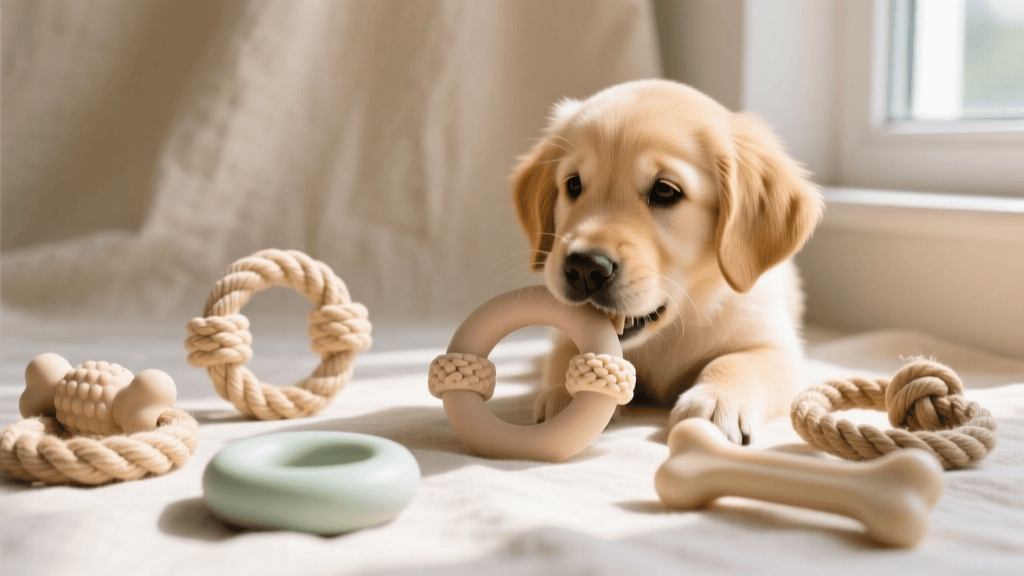
Best Puppy Teething Toys in 2026: Top 5 Safe Picks
Discover the best puppy teething toys in 2026. We review top vet-approved, safe, and durable chew toys to soothe your puppy's gums and save your furniture.
Welcome to the chaotic, adorable, and sometimes painful world of puppy teething. If you are raising a puppy in 2026, you already know that those tiny needle-like teeth can wreak havoc on your favorite shoes, furniture legs, and even your fingers. Teething is a universal canine milestone, but the market for puppy toys has evolved significantly. With new veterinary guidelines emphasizing non-toxic, durable, and ergonomically sound materials, choosing the right teething toy is more critical than ever.
In this comprehensive guide, we break down the best puppy teething toys available in 2026, ensuring your furry friend gets the relief they need while you keep your belongings intact. From freezable natural rubber to ergonomic nylon chews, we have tested and reviewed the top options to help you survive this developmental stage with your sanity—and your baseboards—fully intact.
Understanding the Puppy Teething Timeline
Before diving into product recommendations, it is essential to understand the biological timeline of puppy dentition. According to the American Kennel Club, puppies go through several distinct teething phases, each requiring different types of relief:
- 2 to 4 Weeks: Baby teeth (deciduous teeth) begin to emerge. Puppies are usually still with their breeder or mother during this phase.
- 5 to 6 Weeks: All 28 baby teeth are typically in. Puppies start exploring solid food and using their teeth to play with littermates.
- 12 to 16 Weeks: Baby teeth begin to fall out to make way for adult teeth. This is when you might find tiny teeth on the floor or notice increased chewing and mild gum bleeding.
- 4 to 6 Months: The 42 adult teeth push through the gums. This is the peak of teething discomfort, characterized by intense chewing, drooling, and occasional whining.
Understanding this timeline helps you select the appropriate toy texture. Softer toys are ideal for the 12-week mark, while more durable options are necessary as the powerful adult teeth emerge around 5 months of age.
Material Safety Standards in 2026
In recent years, the pet industry has seen a massive push toward transparency and safety. As of 2026, top-tier pet manufacturers are strictly avoiding phthalates, BPA, and lead-based dyes in their products. The Humane Society of the United States advises owners to carefully inspect toy materials, noting that cheap plastics can splinter and cause severe gastrointestinal blockages or oral lacerations.
When shopping for teething toys this year, always look for products labeled as food-grade, non-toxic, and free from harsh chemical softeners. Natural rubber, high-density nylon, and reinforced canvas are currently the gold standards for safe puppy chew materials.
The 5 Best Puppy Teething Toys of 2026
1. KONG Puppy Toy (Natural Rubber Formula)
The KONG Puppy remains the undisputed champion of teething toys. Crafted from a proprietary, ultra-soft natural rubber formula, it is specifically designed for developing teeth and gums. The hollow center allows you to stuff it with puppy-safe peanut butter, yogurt, or specialized teething gels. Pro Tip for 2026: Stuff the KONG and freeze it overnight. The cold rubber provides a numbing effect on inflamed gums, offering hours of soothing relief.
2. Benebone Puppy Wishbone
For puppies who prefer a harder chew, the Benebone Puppy Wishbone is an ergonomic masterpiece. Made from tough, BPA-free nylon and infused with real bacon flavor, its wishbone shape allows puppies to grip it easily with their front paws. Unlike traditional stick-shaped chews that can poke the back of the throat, the curved design is entirely paw-friendly and promotes safe chewing angles.
3. Nylabone Puppy Chew Freezer Dog Toy
Combining texture with temperature therapy, the Nylabone Freezer toy features a soft, flexible outer ring and a freezable gel core. The raised bristles on the exterior act like a toothbrush, helping to clean teeth and massage gums, while the chilled core reduces inflammation. It is an excellent transitional toy for puppies moving from soft baby teeth to harder adult teeth.
4. West Paw Zogoflex Hurley
Eco-conscious pet parents in 2026 are turning to West Paw's Zogoflex line. The Hurley bone is made from a proprietary, non-toxic, buoyant material that is incredibly durable yet gentle on puppy mouths. It is dishwasher safe, making it easy to sanitize after a muddy play session in the yard. Plus, it floats, making it a fantastic dual-purpose toy for early water retrieval training.
5. Petstages Cool Teething Stick
If your puppy is overwhelmed by hard rubber or nylon, the Petstages Cool Teething Stick offers a softer alternative. Made from a durable, crinkly mesh fabric, it is designed to be soaked in water and frozen. The frozen, textured fabric gently massages sore gums without the risk of chipping a developing tooth. The internal crinkle layer also provides auditory stimulation to keep easily distracted puppies engaged.
2026 Teething Toy Comparison Chart
| Toy Name | Primary Material | Best For | Approx. 2026 Price | Durability |
|---|---|---|---|---|
| KONG Puppy | Soft Natural Rubber | Stuffing & Freezing | $12 - $18 | High |
| Benebone Puppy Wishbone | Bacon-Infused Nylon | Paw-Gripping & Hard Chewing | $14 - $20 | Very High |
| Nylabone Freezer Toy | Flexible Polymer & Gel | Gum Massage & Cooling | $9 - $14 | Medium |
| West Paw Hurley | Zogoflex (Non-Toxic Blend) | Water Play & Moderate Chewers | $15 - $22 | High |
| Petstages Teething Stick | Freezable Mesh Fabric | Light Chewers & Sensory Play | $8 - $12 | Low-Medium |
How to Maximize the Effectiveness of Teething Toys
Simply handing your puppy a toy is rarely enough to stop them from chewing on your belongings. To truly leverage these tools, you must implement a strategic chewing routine:
- The Rotation Method: Puppies suffer from toy fatigue just like humans. Keep a rotation of three to four toys, leaving only one out at a time. Swap them every two days to maintain novelty and excitement.
- Flavor Enhancement: If your puppy ignores a rubber toy, try rubbing a small amount of low-sodium chicken broth or dog-safe coconut oil on the surface to entice them.
- Positive Reinforcement: Every time your puppy chooses their designated teething toy over a shoe or table leg, offer immediate verbal praise and a small training treat. This builds a strong positive association with their own toys.
- Supervised Freezing: While frozen toys are excellent for pain relief, always supervise your puppy when they are chewing frozen items to ensure they do not break off and swallow large chunks of ice or compromised material.
Toys to Strictly Avoid During Teething
Not all chew toys are created equal, and some can be downright dangerous for a teething puppy. As you navigate pet stores in 2026, actively avoid the following:
- Rawhide Chews: Traditional rawhide is notoriously difficult to digest and poses a severe choking and intestinal blockage hazard, especially for puppies who tend to gulp rather than chew.
- Standard Tennis Balls: The fuzzy exterior of a standard tennis ball acts like sandpaper on developing tooth enamel. Furthermore, the internal glue and rubber can be toxic if ingested. Opt for specialized, dog-safe rubber fetch balls instead.
- Cheap Squeaky Plastics: Thin plastic toys with internal squeakers are easily crushed by emerging adult teeth. The sharp plastic shards and small squeaker mechanisms are frequent culprits in emergency veterinary visits.
- Weight-Bearing Bones: Hard marrow bones and antlers are far too dense for puppy teeth and frequently result in painful slab fractures of the premolars.
Frequently Asked Questions About Puppy Teething
How long does the intense teething phase last?
The most intense chewing and discomfort typically peak between 14 and 20 weeks of age. However, the process of all 42 adult teeth fully setting into the jawbone can continue until the puppy is 7 to 8 months old. Consistent access to appropriate chew toys is necessary throughout this entire window.
Can I give my puppy ice cubes for teething relief?
Plain ice cubes are generally safe and provide excellent numbing relief for inflamed gums. However, they should only be given to medium and large breed puppies under strict supervision. For small breeds, ice cubes can pose a choking hazard or cause tooth fractures. A safer alternative is freezing low-sodium bone broth in an ice cube tray and offering the softer, flavored ice.
What should I do if my puppy swallows a piece of a toy?
If you notice your puppy has bitten off and swallowed a significant piece of a rubber or nylon toy, contact your veterinarian immediately. Do not attempt to induce vomiting unless explicitly instructed by a veterinary professional. Monitor your puppy closely for signs of lethargy, vomiting, loss of appetite, or straining to defecate, which are all indicators of a gastrointestinal blockage.
Are natural wood chews safe for teething puppies?
Certain processed wood chews, like coffee wood or olive wood, are safer than traditional sticks because they do not splinter into sharp shards. However, they can still be quite hard. It is best to wait until your puppy's adult teeth are fully erupted and set (around 8 months) before introducing dense wood chews to prevent micro-fractures in the developing enamel.
Final Thoughts
Surviving the puppy teething phase in 2026 is entirely manageable when you are armed with the right tools and knowledge. By investing in high-quality, vet-approved teething toys like the KONG Puppy or the Benebone Wishbone, you are not only saving your furniture but also teaching your dog healthy, lifelong chewing habits. Remember to prioritize material safety, utilize the freezer for pain relief, and shower your puppy with praise when they make the right chewing choices. With patience and the proper gear, this challenging developmental stage will pass, leaving you with a happy, healthy, and fully dentured adult dog.
robin-maitland
All our authors care for dogs every day — read more of their work on the authors page.