Puppy Agility Foundation Training: Safe Flatwork Guide 2026
Discover safe puppy agility flatwork exercises for 2026. Build a strong sports foundation, protect growth plates, and prepare for future competitions.
Introduction to Puppy Sports Foundation
The world of dog sports is more vibrant and competitive than ever in 2026. Whether you are dreaming of podium finishes in agility, rally obedience, or fast-paced canine freestyle, the foundation for a successful sports dog is built entirely during the first year of life. However, the 'Puppy Care' phase requires a delicate balance between building enthusiasm and protecting a developing body. Many new handlers make the critical mistake of introducing jumps, high A-frames, and repetitive weaving too early, leading to lifelong orthopedic issues. This comprehensive guide focuses exclusively on 'flatwork'—the ground-level handling, body awareness, and motivational games that create a confident, resilient, and highly trained competition dog without risking their physical health.
The Science of Puppy Growth Plates and Joint Safety
Before you even think about setting up a jump bar, you must understand canine skeletal development. Puppies are born with growth plates (epiphyseal plates) at the ends of their long bones. These plates are made of soft, rapidly dividing cartilage that allows the bones to lengthen as the puppy grows. According to veterinary orthopedic specialists and guidelines referenced by the American Veterinary Medical Association (AVMA), these growth plates do not fully close and calcify into solid bone until a dog is anywhere from 12 to 18 months old, depending on the breed's size and genetics.
When a puppy jumps, lands, or performs extreme spinal flexion (like tight weave pole entries) before these plates close, the concussive forces can cause micro-fractures, premature closure of the plates, or uneven bone growth. This is why major organizations, including the United States Dog Agility Association (USDAA), strictly mandate minimum age requirements for dogs competing in standard height classes. In 2026, the gold standard for puppy care in sports is zero jumping and zero high-impact equipment until a veterinarian confirms via X-ray that all growth plates are fully fused.
Navigating Teething and Training Motivation
A major developmental milestone in the first year is teething, which typically peaks between 4 and 6 months of age. During this window, your puppy's gums are inflamed, and their adult teeth are erupting. This can drastically impact their motivation for traditional sports rewards, particularly tug toys. A puppy experiencing oral discomfort may refuse to bite a fleece tug or may drop it quickly, which inexperienced handlers often misinterpret as a 'lack of drive.'
To care for your teething puppy while maintaining their sports drive, adapt your reward system. Swap out hard rubber balls and tight-weave tug toys for soft, food-based rewards or frozen items. Using a high-value, easily chewable treat paste squeezed from a silicone tube (a massive trend in 2026 agility training) allows the puppy to lick and soothe their gums while still receiving a high-rate reinforcement for correct flatwork. Additionally, incorporate frozen carrots or specialized puppy teething chews into your post-training cool-down routine to provide relief and signal the end of the work session.
Core Flatwork Exercises for Future Champions
Flatwork is the art of handling your dog on the ground, teaching them to read your body language, and building the muscle memory required for complex courses later in life. Here are three essential exercises to practice during your puppy's first year.
1. Rear-End Awareness and Proprioception
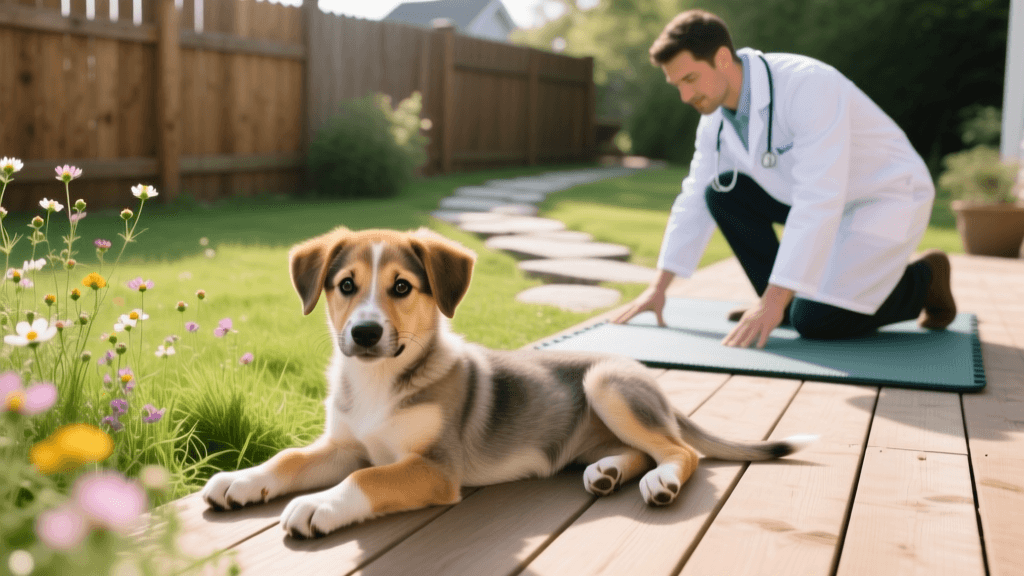
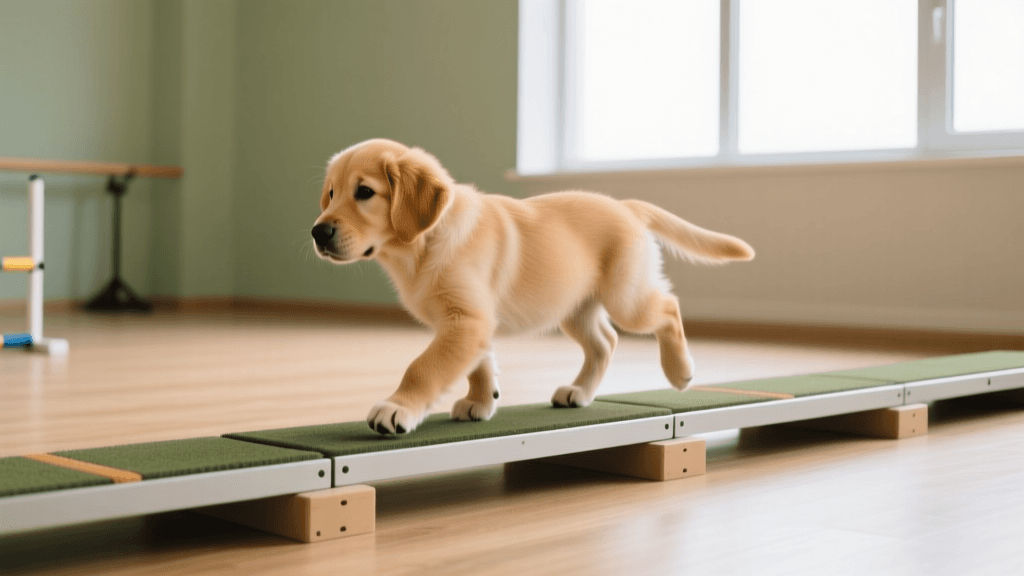
Agility dogs need to know where their back feet are to navigate tight turns and hit contact zones accurately. You can build this proprioception using a low-profile inflatable disc or a paw target mat. Start by luring your puppy's front feet onto a slightly elevated, stable surface (no higher than 2 inches for small breeds, 4 inches for large breeds). Once their front feet are planted, use a treat to lure their head in a tight circle, encouraging them to pivot their back end around the front feet. Keep these sessions under three minutes to prevent mental fatigue and joint strain. This foundational skill translates directly to the '2-on-2-off' contact behavior required on the dog walk and A-frame.
2. Shadow Handling and Body Cues
In modern agility, the handler's body is the primary navigation system for the dog. 'Shadow handling' involves moving around your puppy on the flat, teaching them to follow your chest and decelerate when you decelerate. Begin by walking in a straight line with your puppy on your left side. Suddenly slow your pace and drop your leading shoulder inward. When the puppy naturally checks their stride and looks at you, mark the behavior with a clicker or a verbal 'Yes!' and deliver a treat at your pant seam. Practicing acceleration, deceleration, and lateral leads on the grass builds the neurological pathways for future front crosses and blind crosses without the physical toll of jumping.
3. Ground-Level Tunnel Introduction
The tunnel is generally considered the safest introductory obstacle for puppies, provided it is kept straight and fully extended to prevent tripping. In 2026, many trainers use lightweight, collapsible fabric tunnels that can be shortened to just 4 feet for initial introductions. Toss a high-value toy through the tunnel and encourage your puppy to run through to get it. Never call a puppy *to* you through a tunnel; always send them *away* to a reward. This builds forward drive and independence, which are critical for distance handling in advanced competition classes.
2026 Recommended Gear for Puppy Flatwork
Investing in the right gear ensures your training is efficient and safe. Here are the top recommendations for puppy sports foundation this year:
- Magnetic Treat Pouches: Brands like Dogline and Clean Run have released updated 2026 magnetic-closure pouches that allow for lightning-fast treat delivery without the puppy accidentally biting your fingers or getting frustrated by a drawstring.
- Biothane Long Lines: A 10-foot, 3/8-inch Biothane leash is essential for outdoor flatwork. It is waterproof, doesn't tangle easily in grass, and provides a safe drag-line for recall training in open fields.
- Snuffle Mats for Settling: Competition environments are chaotic. Teaching a puppy to 'settle' on a portable snuffle mat helps them decompress and lowers their cortisol levels between training reps.
Weekly Training Schedule for a 6-Month-Old Puppy
Puppies have short attention spans and tire quickly. Training should be broken into micro-sessions. Below is a sample weekly flatwork schedule designed for a 6-month-old puppy, aligning with their daily feeding schedule to use kibble as a primary training reward and prevent obesity.
| Day | Focus Area | Duration | Equipment Needed | Reward Type |
|---|---|---|---|---|
| Monday | Rear-End Pivot & Awareness | 2 x 3 mins | Low paw target, treat pouch | Daily kibble ration |
| Tuesday | Shadow Handling (Deceleration) | 3 x 2 mins | Biothane leash, flat grassy area | Soft training treats |
| Wednesday | Rest Day / Passive Socialization | 15 mins | Snuffle mat, crate | Frozen Kong / Chews |
| Thursday | Tunnel Sends (Straight, Short) | 3 x 3 mins | 4ft fabric tunnel, tug toy | Fleece tug / Praise |
| Friday | Recall to Side & Focus Games | 2 x 4 mins | Long line, high-value meat | Boiled chicken / Cheese |
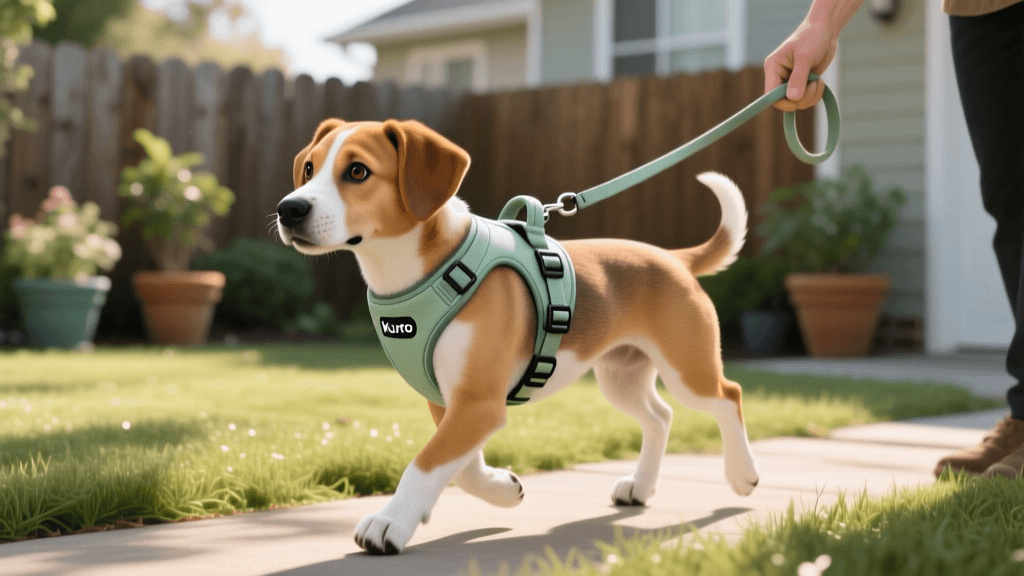
| Saturday | Environmental Field Trip | 30 mins | Harness, mat, treats | Scattered kibble |
| Sunday | Rest Day / Massage & Bonding | N/A | Grooming brush, soft bed | N/A |
Socializing for the Competition Environment
A dog with perfect flatwork in their living room will fail at a trial if they are terrified of the environment. The American Kennel Club (AKC) emphasizes that early socialization is just as critical as physical training. Competition venues are characterized by loud barking, clapping, PA system announcements, and dogs running at high speeds.
During the puppy's first year, your primary goal at a dog sports trial is not to train, but to observe and acclimate. Bring your puppy to the venue in a secure, well-ventilated crate or an exercise pen. Practice 'crate games' where the puppy learns that the crate is a safe, rewarding sanctuary. Take them on short, leashed walks around the periphery of the rings during quiet periods. If your puppy shows signs of stress (whale eye, tucked tail, excessive panting), immediately increase the distance from the stressor and engage them in a simple, high-reward game they know well, like hand-targeting. Never force a puppy to interact with strangers or other dogs at a trial; let them choose to engage. This builds the deep-seated confidence required for a dog to eventually walk to the start line with a wagging tail and total focus on their handler.
Conclusion
Raising a future sports champion is a marathon, not a sprint. By prioritizing joint safety, adapting to developmental milestones like teething, and mastering ground-level flatwork, you are building a canine athlete who is physically sound and mentally resilient. Embrace the puppy care phase, celebrate the small victories, and trust that the foundation you lay in 2026 will support a lifetime of joyous, safe, and successful competition.
priya-sutaria
All our authors care for dogs every day — read more of their work on the authors page.