Managing Dog Separation Anxiety With Furbo 360 in 2026
Discover how to manage dog separation anxiety in 2026 using the Furbo 360 camera. Learn expert desensitization routines, treat-tossing strategies, and calming tips.
The Reality of Canine Separation Anxiety in 2026
As hybrid work models and flexible office schedules continue to evolve in 2026, millions of dog owners are navigating the complex challenge of leaving their pets home alone. While many dogs adapt seamlessly to shifting routines, a significant percentage struggle with canine separation anxiety. According to the ASPCA, separation-related behaviors remain one of the most common reasons dogs are surrendered to shelters or abandoned by frustrated owners. Symptoms can range from mild pacing and whining to severe property destruction, self-injury, and incessant vocalization that disturbs neighbors.
Managing this condition requires more than simply hoping your dog will 'get used to it.' It demands a proactive, structured approach to alone time. In 2026, the integration of smart home technology with evidence-based behavioral modification has revolutionized how we treat isolation distress. At the forefront of this movement is the Furbo 360 Dog Camera, a device that transforms passive monitoring into active, interactive enrichment. This comprehensive guide will walk you through a modern, tech-assisted desensitization routine designed to help your dog build confidence and find peace when left alone.
Why Interactive Cameras Change the Behavioral Game
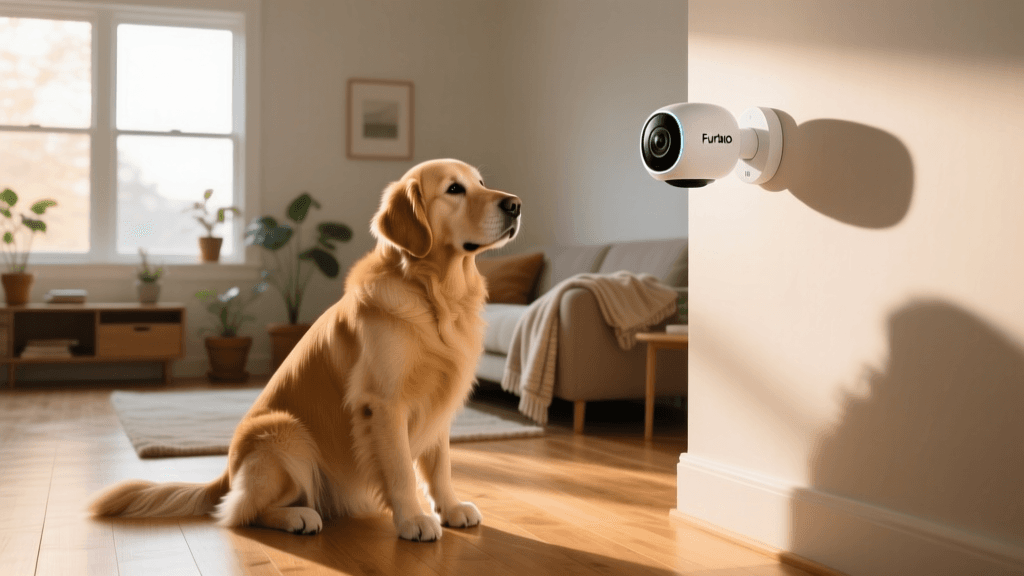
Historically, pet cameras were strictly passive observation tools. You could watch your dog panic, but you could not intervene without rushing home. The Furbo 360, with its 2026 firmware updates and enhanced AI-driven Dog Nanny features, shifts the paradigm from observation to intervention. The auto-roaming base allows the camera to follow your dog around the room, ensuring you never lose sight of them, while the two-way audio and treat-tossing mechanisms provide a bridge of connection between you and your pet.
Behaviorists emphasize that treating separation anxiety is about changing the dog's emotional response to being alone. By pairing your departure with high-value rewards and interactive engagement, you begin to rewire your dog's brain. The anticipation of a treat toss from the Furbo 360 can replace the dread of the front door closing, turning alone time into an opportunity for positive reinforcement and mental stimulation.
Building a 2026 Alone-Time Desensitization Routine
Desensitization and counter-conditioning are the gold standards for treating separation anxiety. Below is a structured, step-by-step routine utilizing the Furbo 360 to systematically increase your dog's tolerance for being alone.
Phase 1: Pre-Departure Desensitization
Dogs with separation anxiety often begin panicking during your 'pre-departure cues'—putting on shoes, grabbing keys, or picking up a bag. You must decouple these actions from your actual departure.
- The Routine: Put on your coat, pick up your keys, and sit back down on the couch. Do this 10 to 15 times a day.
- The Tech Integration: Set up the Furbo 360 in the room where your dog will stay. Use the treat-toss feature to reward your dog for remaining calm every time you perform a pre-departure cue. The camera's AI can detect when your dog is relaxed versus pacing, allowing you to time your treat tosses perfectly.
Phase 2: Micro-Departures
Once your dog no longer reacts to your pre-departure cues, begin practicing micro-departures. This means leaving the house for extremely short durations.
- Timing: Start with absences of just 5 to 10 seconds. Step out, close the door, and immediately return.
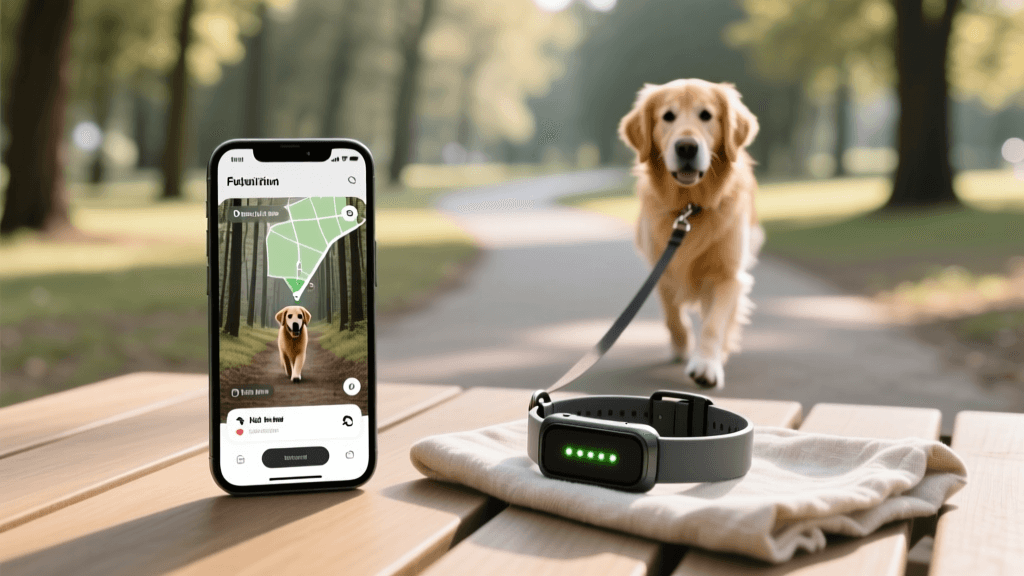
- The Tech Integration: Watch the live feed on your smartphone. The moment you step out, use the Furbo app to toss a high-value treat (like a freeze-dried liver piece). If your dog eats the treat and settles, return calmly. If they panic, you have moved too fast and need to shorten the duration.
Phase 3: Extending the Duration with Active Enrichment
Gradually increase your absence from seconds to minutes, and eventually to hours. The key to extending time without triggering anxiety is providing a 'decoy' activity that requires deep focus.
- The Routine: Before leaving, provide a long-lasting enrichment item, such as a frozen Kong stuffed with peanut butter and bone broth.
- The Tech Integration: Set the Furbo 360's auto-toss feature to dispense a small treat every 15 to 20 minutes. This intermittent reinforcement keeps your dog engaged in the 'alone time zone' and prevents the anxiety spike that typically occurs when their initial chew toy runs out.
Pro Tip for 2026: Use the Furbo 360's 'Bark Alert' feature strategically. If your dog barks out of boredom, wait for a three-second pause in the barking before tossing a treat via the app. This ensures you are rewarding silence and calmness, rather than accidentally reinforcing the vocalization.
Comparing Smart Enrichment Tools for Alone Time
While the Furbo 360 is an excellent centerpiece for a smart separation anxiety protocol, it is often most effective when paired with other enrichment tools. Below is a comparison of the top interactive devices and puzzles available in 2026 to support your dog's alone-time routine.
| Product / Tool | Type | Best For | Approx. 2026 Price |
|---|---|---|---|
| Furbo 360 Dog Camera | Interactive Smart Camera | Remote monitoring, treat tossing, and two-way audio reassurance. | $249 |
| Petcube Bites 2 Lite | Fixed Treat Camera | Budget-friendly remote treat dispensing without auto-roaming features. | $179 |
| Outward Hound Nina Ottosson Dog Brick | Interactive Puzzle Toy | Mental stimulation and focus during the first 20 minutes of alone time. | $16 |
| West Paw Toppl | Stuffable Enrichment Toy | Long-lasting licking and chewing to promote endorphin release. | $24 |
| Adaptil Calm Home Diffuser | Pheromone Diffuser | Creating a biologically calming ambient environment in the safe zone. | $35 |
Multi-Sensory Calming: Beyond the Camera
Technology alone cannot solve deep-seated behavioral issues. A holistic approach to separation anxiety in 2026 involves curating the entire sensory environment of your dog's 'safe zone.' The Fear Free Pets organization highly recommends modifying the auditory and olfactory environment to lower a dog's baseline stress levels before you even walk out the door.
Olfactory Support
Dogs experience the world primarily through their noses. Using synthetic dog-appeasing pheromones (DAP), such as the Adaptil Calm Home Diffuser, can mimic the comforting pheromones produced by a nursing mother dog. Plug the diffuser into the room where your dog will spend their alone time at least 48 hours before beginning your desensitization routine. One diffuser typically covers up to 700 square feet, ensuring the entire space is saturated with calming signals.
Auditory Support
Silence can be deafening for an anxious dog, as it amplifies sudden, scary noises from the street or hallway. Masking environmental sounds is crucial. Instead of leaving the television on, which can introduce erratic and startling noises, opt for a continuous auditory landscape.
- White Noise Machines: Place a white noise machine near the front door or window to muffle outside triggers like delivery drivers or passing cars.
- Bioacoustic Music: Play specially designed canine calming music, such as the 'Through a Dog's Ear' series, which utilizes psychoacoustic principles to slow a dog's heart rate and reduce nervous system arousal.
Knowing When to Seek Professional Help
While smart cameras and desensitization routines are incredibly effective for mild to moderate separation anxiety, severe cases often require medical intervention. If your dog is injuring themselves trying to escape through windows or doors, or if they are refusing to eat high-value treats even when you are home, it is time to consult a professional.
According to the Cornell University College of Veterinary Medicine, severe panic disorders in dogs often necessitate a combination of behavioral modification and psychopharmacology. A board-certified veterinary behaviorist may prescribe medications such as fluoxetine or clomipramine to lower your dog's anxiety threshold, making them receptive to the training you are doing with your Furbo 360. Medication is not a failure of training; it is a vital tool that alters brain chemistry to allow learning to occur.
Final Thoughts on Alone Time in 2026
Helping a dog overcome separation anxiety is a marathon, not a sprint. It requires immense patience, consistency, and a willingness to move at your dog's pace. The Furbo 360 and similar smart enrichment tools are not magic wands that will cure anxiety overnight, but they are powerful allies in your behavioral modification toolkit. By combining interactive technology with multi-sensory calming techniques and structured desensitization routines, you can transform your dog's alone time from a period of terror into a peaceful, predictable, and even rewarding part of their daily life. Remember to celebrate the small victories—every quiet minute alone is a step toward a happier, more confident dog.
marcus-aldridge
All our authors care for dogs every day — read more of their work on the authors page.