Ruffwear Swamp Cooler Vest for Service Dogs in 2026
Discover how the Ruffwear Swamp Cooler vest prevents heatstroke in service dogs. Our 2026 guide covers fitting, hydration, and working dog safety.
The Elite Athletes of the Canine World
Working and service dogs are elite athletes that perform critical, life-saving, and life-enhancing duties every single day. From guide dogs navigating complex urban environments to search and rescue canines traversing rugged wilderness, these animals possess an unwavering drive to work. However, this intense dedication often masks their physiological vulnerability to environmental stressors, particularly extreme heat. As veterinary professionals and handlers, it is our fundamental responsibility to safeguard their health and wellbeing. In 2026, with global temperature anomalies continuing to break historical records, proactive thermal management is no longer optional; it is a mandatory pillar of working dog care.
The Physiology of Canine Thermoregulation
To understand why cooling gear is essential, we must first examine the physiology of canine thermoregulation. Unlike humans, who possess millions of eccrine sweat glands distributed across their skin to facilitate evaporative cooling, dogs rely almost entirely on panting and localized vasodilation. When a dog pants, moisture evaporates from the tongue, mouth, and upper respiratory tract, dissipating heat. Additionally, blood vessels in the face, ears, and paw pads dilate to release heat into the surrounding air.
While highly efficient during moderate activity, this system becomes rapidly overwhelmed during sustained physical exertion in high ambient temperatures. A working dog's metabolic rate can increase by a factor of ten to twenty during active duty, generating massive amounts of internal heat that cannot be shed quickly enough through panting alone.
The 2026 Climate Challenge for Working Dogs
The summer of 2026 presents unique challenges for handlers. Meteorological data indicates a higher frequency of prolonged heat domes and elevated humidity indexes across North America and Europe. High humidity is particularly dangerous because it severely impairs the efficacy of panting; if the ambient air is already saturated with moisture, the evaporation from the dog's respiratory tract slows to a crawl. Consequently, the core body temperature of a service dog can spike to dangerous levels within minutes. According to the Humane Society, heatstroke is one of the leading causes of environmental mortality in working canines, making advanced preventive gear a critical investment.
2026 Comparison Chart: Top Cooling Vests for Working Dogs
To mitigate these risks, the veterinary and working dog communities have widely adopted evaporative cooling vests. These garments utilize the latent heat of vaporization to actively pull heat away from the dog's core. Below is a comprehensive 2026 comparison chart of the top three cooling vests utilized by professional handlers today.
| Feature | Ruffwear Swamp Cooler | Hurtta Cooling Vest | Kurgo Core Cooling |
|---|---|---|---|
| 2026 Retail Price | $89.95 | $75.00 | $54.99 |
| Weight (Dry) | 5.2 oz | 6.1 oz | 4.8 oz |
| UPF Rating | UPF 50+ | UPF 30 | None |
| Optimal Soak Time | 90 Seconds | 60 Seconds | 120 Seconds |
| Coverage Area | Full Torso & Chest | Back & Sides | Chest & Back |
Deep Dive: Ruffwear Swamp Cooler Evaporative Cooling Vest
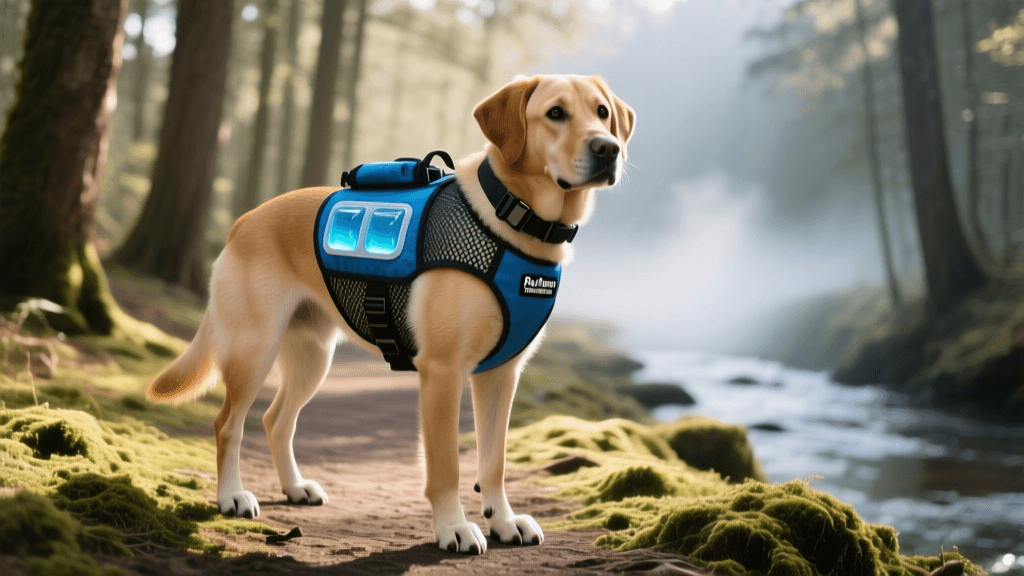
Among the options available, the Ruffwear Swamp Cooler Evaporative Cooling Vest remains the gold standard for service dogs in 2026. Priced at $89.95, it represents a premium investment that pays dividends in occupational longevity. The vest's efficacy lies in its advanced three-layer construction.
- Outer Layer: A highly reflective, light-colored mesh that deflects solar radiation and features an upgraded UPF 50+ rating to protect the dog's dorsal region from harmful UV rays.
- Middle Layer: A specialized absorbent matrix designed to hold a significant volume of water without dripping or adding excessive, restrictive weight to the dog.
- Inner Layer: A soft, breathable mesh that facilitates the transfer of the cooling effect directly to the dog's core musculature and vital organs.
Step-by-Step Fitting and Deployment Protocol
Proper deployment of the Swamp Cooler vest is critical to its effectiveness. A poorly fitted vest will create air gaps that halt the evaporative process, while an overly tight vest will restrict the dog's thoracic expansion, impeding their ability to pant. Handlers should follow this precise protocol:
- Measure: Measure the dog's girth at the deepest part of the ribcage using a soft measuring tape.
- Soak: Submerge the vest in cool water for exactly 90 seconds to ensure the middle layer is fully saturated.
- Wring: Gently wring out the excess water until the vest is damp but not dripping.
- Fit: Secure the vest using the dual side-release buckles, ensuring you can comfortably slide two fingers beneath the straps.
For extended deployments in arid environments, handlers should carry a dedicated hydration bladder to re-wet the vest every 45 to 60 minutes, maintaining the continuous evaporative cycle.
Hydration and Work/Rest Cycles in Extreme Heat
Cooling vests are not a substitute for rigorous hydration and structured work/rest cycles. A working dog loses significant fluid volume through panting and must be replenished systematically. The standard veterinary recommendation for active canines is to provide 0.5 to 1 ounce of water per pound of body weight per day, but during high-heat operations, this requirement increases dramatically.
Handlers should offer small, frequent volumes of water—approximately 4 to 8 ounces every 15 minutes—rather than allowing the dog to gulp large quantities, which can lead to gastric dilatation-volvulus (bloat). Furthermore, strict work/rest ratios must be enforced. In temperatures exceeding 85°F (29°C), a 20-minute work interval should be followed by a mandatory 10-minute rest period in deep shade with active cooling measures applied.
Recognizing the Stages of Heat Exhaustion
Even with the best preventive gear, handlers must remain hyper-vigilant for the early clinical signs of heat exhaustion. The American Kennel Club (AKC) outlines that early indicators include excessive, frantic panting, thick and ropey saliva, and a bright red tongue. As the condition progresses to heatstroke, the dog may exhibit staggering, vomiting, diarrhea, and eventually collapse or seizures.
A dog's normal resting body temperature is between 101°F and 102.5°F (38.3°C - 39.2°C). Once the core temperature exceeds 104°F (40°C), cellular damage begins, and immediate veterinary intervention is required.
Handlers should always carry a rectal thermometer and a dedicated canine first-aid kit equipped with cooling towels and emergency electrolytes.
Long-Term Health and Longevity
The long-term health of a service dog is intrinsically linked to how well they are protected from environmental stress during their active years. Chronic exposure to heat stress not only increases the immediate risk of heatstroke but also exacerbates systemic inflammation, accelerating joint degradation and cardiovascular strain. Research and field observations from institutions like the Penn Vet Working Dog Center emphasize that comprehensive thermal management protocols directly correlate with extended career longevity and improved quality of life in retirement.
By investing in high-quality evaporative cooling technology like the Ruffwear Swamp Cooler vest, adhering to strict hydration metrics, and respecting physiological limits, handlers ensure their canine partners remain healthy, focused, and capable of performing their vital duties for years to come.
priya-sutaria
All our authors care for dogs every day — read more of their work on the authors page.