Rescuing a Puppy: A 30-Day Decompression and Socialization Guide
Discover how to decompress and socialize your newly adopted rescue puppy. Learn the 3-3-3 rule, essential gear, and a 30-day milestone timeline.
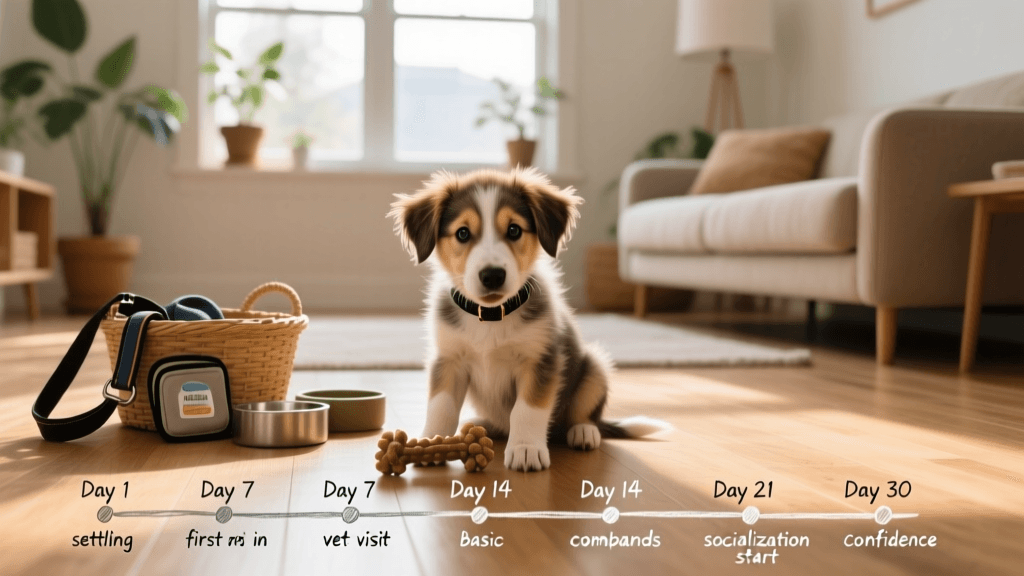
The Journey Home: Bringing Your Rescue Puppy to Safety
When I first met Barnaby, a 10-week-old terrier mix found wandering a busy highway, he was trembling in the corner of his shelter kennel. Adoption day is a whirlwind of emotions. You are thrilled to give a vulnerable animal a second chance, but the puppy is often terrified, confused, and overstimulated. Bringing home a rescue puppy is not the same as picking up a pup from a breeder; these dogs carry invisible baggage and require a specialized approach to their first month in a home environment.
The car ride home sets the tone for your new life together. For Barnaby, I knew the loud noises and sudden movements of traffic could trigger a panic response. Preparation is your best tool for a smooth transition.
Essential Car Gear for Shelter Pups
- Kurgo Tru-Fit Smart Harness ($35): Never let a rescue puppy roam freely in the car. A crash-tested harness that clips into the seatbelt provides physical safety and a gentle, swaddling pressure that can calm anxious nerves.
- Kong Classic with Plain Pumpkin ($15): Stuffing a durable rubber toy with plain, unsweetened canned pumpkin gives the puppy a licking outlet. Licking releases endorphins, which naturally soothe a stressed canine brain during the drive.
- Puppy Absorbent Pads ($12): Line the car seat and the puppy's crate with washable or disposable pads. Stress-induced diarrhea or motion sickness is incredibly common in shelter puppies during their first transit.
Understanding the 3-3-3 Rule of Rescue Decompression
In the rescue community, the '3-3-3 Rule' is the golden standard for understanding how a dog adjusts to a new environment. Shelter life is loud, chaotic, and sleep-depriving. Your puppy needs time to lower their cortisol levels and realize they are finally safe. Pushing a rescue puppy into overwhelming situations too early can lead to fear-based behavioral issues later in life.
| Timeframe | What to Expect | Your Action Plan |
|---|---|---|
| First 3 Days | Overwhelm, hiding, poor appetite, excessive sleeping, or pacing. | Keep their world incredibly small. Limit visitors, use white noise, and do not force interaction. Let them observe. |
| First 3 Weeks | Testing boundaries, emerging personality, minor house-training regressions. | Begin a gentle daily routine. Start short, positive reinforcement training sessions and introduce household sounds. |
| First 3 Months | Building deep trust, feeling at home, true temperament reveals itself. | Expand their freedoms. Introduce complex socialization, puppy classes, and wider environmental exploration. |
Creating a Sanctuary Space: The Puppy Safe Room
One of the biggest mistakes new rescue adopters make is giving the puppy full run of the house on day one. This leads to potty training disasters and severe overstimulation. Instead, set up a 'Sanctuary Room'—a small, easily cleanable space like a bathroom or a sectioned-off kitchen.
For Barnaby, I used a Midwest 24-inch Exercise Pen ($45) to create a 4x4 foot safe zone. Inside this pen, I placed his water bowl, a comfortable donut bed, and a Fresh Patch Real Grass Pad ($30). Shelter puppies are often trained to eliminate on concrete or gravel; real grass patches bridge the gap between indoor pads and the great outdoors much faster than plastic pee pads, which can confuse puppies into thinking carpets are acceptable potty spots.
Nighttime Sleep Training for Rescues
Nights are the hardest part of the first week. The puppy is alone, in the dark, missing the warmth of their littermates or the noise of the shelter. To combat nighttime crying, I highly recommend the Snuggle Puppy with Heartbeat ($45). This plush toy features a battery-operated heating pad and a pulsing heart that mimics the physical sensation of sleeping against a mother. Pair this with a Marpac Dohm White Noise Machine ($50) to drown out startling household sounds like the refrigerator humming or distant traffic. According to resources provided by the American Society for the Prevention of Cruelty to Animals (ASPCA), establishing a consistent, quiet nighttime routine is critical for a puppy's developing nervous system and overall behavioral health.
Early Socialization: Tread Lightly but Purposefully
When we hear 'socialization,' we often picture puppies playing together in a dog park. For a rescue puppy, socialization is actually about environmental exposure and building confidence, not necessarily interacting with other dogs. In fact, forcing a fearful rescue puppy to be handled by strangers or tackled by boisterous dogs can cause lasting trauma.
Resources from the American Veterinary Medical Association (AVMA) highlight that proper socialization involves exposing the puppy to new sights, sounds, and surfaces in a controlled, positive manner before their critical fear period peaks around 12 to 14 weeks of age.
The Rescue Puppy Socialization Checklist
- Surfaces: Encourage the puppy to walk on gravel, wet grass, metal grates, and slippery tile. Use high-value treats (like boiled chicken breast) to reward brave steps.
- Sounds: Play recordings of thunderstorms, fireworks, and city traffic on YouTube at a very low volume while the puppy eats. Gradually increase the volume over weeks.
- Objects: Open umbrellas, wear large hats, use a cane, and drag a laundry basket across the room. Let the puppy investigate these 'scary' objects at their own pace.
- Handling: Gently touch their paws, look inside their ears, and lift their lips. This prepares them for future veterinary exams and grooming sessions.
'Socialization is not about the quantity of new experiences, but the quality of the puppy's emotional response to them. If the puppy is terrified, you are not socializing; you are sensitizing.' — Experienced Rescue Foster Coordinator
Nutrition and the First Vet Visit
Shelter puppies are often fed whatever kibble is donated, which can be low-quality and harsh on a developing digestive tract. When you adopt, ask the shelter for a small bag of their current food. You will need to transition your puppy to a high-quality, puppy-specific diet over the course of 7 to 10 days to avoid gastrointestinal upset.
I transitioned Barnaby to Purina Pro Plan Puppy Sensitive Skin & Stomach ($55 for a 34lb bag). The transition schedule looked like this:
- Days 1-3: 75% shelter food, 25% new food.
- Days 4-6: 50% shelter food, 50% new food.
- Days 7-9: 25% shelter food, 75% new food.
- Day 10: 100% new food.
The First Veterinary Milestone
Within 48 hours of adoption, your puppy needs a comprehensive veterinary exam. Shelter environments are breeding grounds for upper respiratory infections and parasites. The Centers for Disease Control and Prevention (CDC) emphasizes the importance of early veterinary care and proper vaccination schedules to protect both the pet and the public from zoonotic diseases like rabies and leptospirosis.
During this first visit, expect to spend between $150 and $250. You should ask your veterinarian to perform a fecal float test for intestinal parasites (like giardia and roundworms), check for heartworm antigens (if the puppy is over 6 months), and establish a schedule for their DHPP (Distemper, Hepatitis, Parainfluenza, Parvovirus) booster shots. Do not take your rescue puppy to public dog parks or pet stores until they have completed their full vaccination series, usually around 16 weeks of age, as Parvovirus is a deadly and highly contagious threat in public spaces.
Final Thoughts on the Rescue Journey
Raising a rescue puppy requires immense patience. There will be sleepless nights, chewed-up baseboards, and moments of frustration. But the first 30 days are an investment in the next 15 years of your dog's life. By respecting their need to decompress, providing a structured sanctuary, and socializing them with empathy, you are rewriting their story. Barnaby, once the trembling terrier in the corner, is now a confident, joyful companion who greets every new experience with a wagging tail. Your rescue puppy has the potential to be the greatest dog you will ever know; you just have to give them the time and tools to show you who they truly are.
robin-maitland
All our authors care for dogs every day — read more of their work on the authors page.