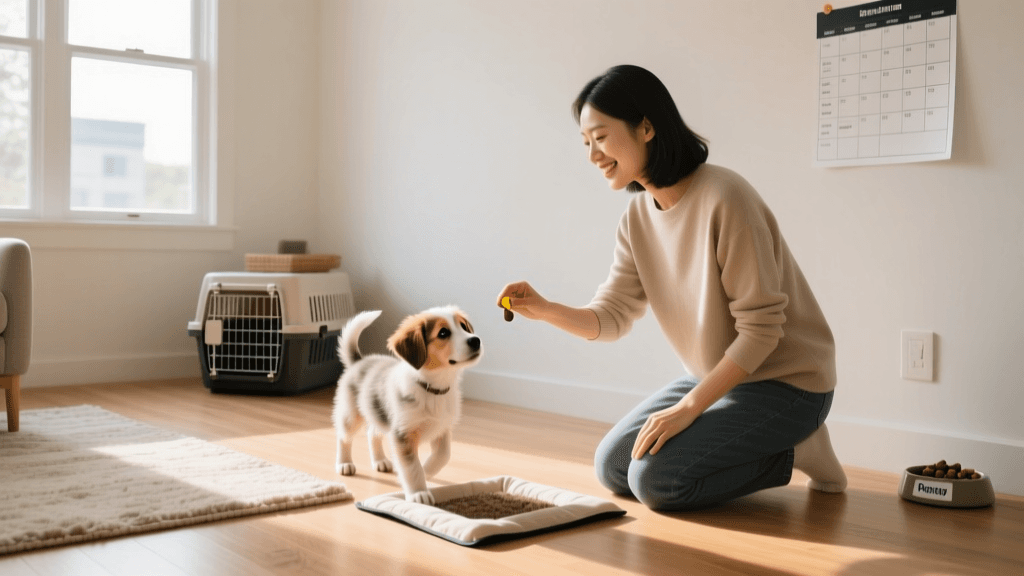
Bringing Home a Rescue Puppy: A 30-Day Survival Guide
Discover how to help your rescue puppy decompress and thrive. Learn the 3-3-3 rule, setup tips, and a first-month budget for adopted puppies.

The Reality of Adopting a Rescue Puppy
Bringing home a rescue puppy is one of the most profoundly rewarding experiences a dog lover can have, but it is rarely the seamless, picture-perfect transition seen on social media. When I adopted Barnaby, a scruffy 10-week-old terrier mix from a high-intake rural shelter, the reality hit me the moment we walked through the door. He was terrified, overwhelmed by the sudden lack of concrete walls and the overwhelming scents of a new home. Shelter puppies come with unique backgrounds, unknown genetic histories, and a deep need for structured decompression. Understanding the specific needs of an adopted puppy is crucial for setting the foundation of a lifelong bond.
Unlike puppies from specialized breeders who are raised in controlled home environments with early neurological stimulation, rescue puppies often spend their critical early developmental weeks in loud, stressful kennel runs. This guide will walk you through the essential first 30 days of bringing home a rescue puppy, offering actionable advice, specific product recommendations, and a realistic budget to ensure your new companion thrives.
Understanding the 3-3-3 Rule of Decompression
The cornerstone of rescue dog integration is the 3-3-3 rule. This behavioral framework helps adopters manage their expectations and understand the emotional journey their new puppy is undergoing. According to behavioral experts and organizations like the ASPCA, giving your puppy time to adjust is non-negotiable for long-term behavioral health.
- The First 3 Days (Overwhelm): Your puppy may hide, refuse to eat, sleep excessively, or test boundaries. They are processing a massive environmental shift. Keep interactions calm and limit visitors.
Your puppy begins to learn your routine. Their true personality starts to emerge, and minor behavioral issues like resource guarding or separation anxiety may surface as they feel safe enough to express themselves. - The First 3 Months (Building Trust): A deep bond forms. Your puppy now understands that this is their forever home, and they feel secure enough to fully relax and engage in advanced training.
Patience is your most valuable training tool. A rescue puppy isn't giving you a hard time; they are having a hard time. Give them the grace to figure out their new world.
Setting Up the 'Safe Room' Sanctuary
One of the biggest mistakes new rescue adopters make is giving a young puppy full access to the house on day one. This leads to potty accidents, destructive chewing, and severe overstimulation. Instead, set up a 'Safe Room' or a confined playpen area before you bring the puppy home.
Essential Safe Room Gear:
- Playpen: The FXW Rollick Dog Playpen (40-inch height, 8 panels) costs around $70 and provides a secure 16-square-foot area. This is large enough for a bed, water bowl, and a potty pad if necessary.
- Crate: A MidWest iCrate (30-inch length) is ideal for a puppy expected to reach 25-30 lbs. Use the included divider panel to shrink the space so the puppy only has enough room to stand, turn around, and lie down. This prevents them from soiling one end and sleeping in the other.
- Comfort Item: The SmartPetLove Snuggle Puppy (approx. $45) features a simulated heartbeat and a heat pack. This is a game-changer for shelter puppies who miss the physical warmth and sounds of their littermates, significantly reducing nighttime crying.
Potty Training a Shelter Puppy
Potty training a rescue puppy requires undoing shelter habits. In a shelter, puppies are forced to eliminate in their sleeping areas because they cannot leave their concrete runs. To break this association, you must be hyper-vigilant.
Take your puppy outside every 90 minutes to 2 hours, immediately after waking up, after every meal, and after vigorous play. Use a standard 6-foot nylon leash (avoid retractable leashes, which teach pulling and offer less control). When they eliminate outside, reward them immediately with a high-value treat like Zuke's Mini Naturals. If accidents happen indoors, clean them exclusively with an enzymatic cleaner like Nature's Miracle Advanced Stain and Odor Eliminator ($12). Standard household cleaners leave behind uric acid crystals that encourage repeat offenses.
Nutrition: Transitioning from Shelter Kibble
Shelters frequently rely on donated or bulk-bought foods, which may not be the high-quality diet you want to feed long-term. However, abruptly switching a rescue puppy's food will almost certainly result in severe gastrointestinal upset, diarrhea, and dehydration. You must transition their diet gradually over 10 days.
- Days 1-3: 75% shelter food, 25% new high-quality puppy food.
- Days 4-6: 50% shelter food, 50% new puppy food.
- Days 7-9: 25% shelter food, 75% new puppy food.
- Day 10: 100% new puppy food.
Adding a tablespoon of plain, unsweetened pumpkin puree to their meals during this transition can help firm up their stool and soothe their digestive tract.
First-Month Rescue Puppy Budget Breakdown
Adopting a puppy is a financial commitment. While the initial adoption fee (usually $150-$400) often covers the first round of vaccines and microchipping, the first 30 days require additional investments. Below is a realistic budget breakdown for a medium-sized rescue puppy.
| Item Category | Specific Product / Service | Estimated Cost |
|---|---|---|
| Confinement | FXW Rollick Playpen & MidWest iCrate | $115.00 |
| Comfort & Anxiety | SmartPetLove Snuggle Puppy & Adaptil Diffuser | $75.00 |
| Potty Training | Nature's Miracle Enzymatic Cleaner & Treats | $25.00 |
| Veterinary Care | Initial Exam, Fecal Float, DHPP Vaccine Booster | $180.00 |
| Preventatives | NexGard (Flea/Tick) & Heartgard Plus (1-month supply) | $55.00 |
| Nutrition | Premium Puppy Kibble (e.g., Purina Pro Plan or Orijen) | $60.00 |
| Total Estimated 30-Day Cost | Excluding initial shelter adoption fee | $510.00 |
The Crucial First Vet Visit and Preventative Care
You should schedule a veterinary wellness exam within 48 hours of bringing your rescue puppy home. Shelters are high-stress environments where infectious diseases and parasites can easily spread. Your vet will perform a comprehensive physical exam, checking for congenital issues, ear mites, and dental health.
Crucially, they will run a fecal float test. According to the Centers for Disease Control and Prevention (CDC), intestinal parasites like Giardia, hookworms, and roundworms are common in shelter environments and can pose zoonotic risks to humans if left untreated. Furthermore, your vet will establish a vaccine schedule. The American Kennel Club (AKC) recommends a series of DHPP (Distemper, Hepatitis, Parainfluenza, and Parvovirus) vaccines every 3 to 4 weeks until the puppy is 16 weeks old. Never skip these boosters, as maternal antibodies can interfere with early vaccines, leaving your puppy vulnerable to deadly diseases like Parvovirus.
Early Socialization in a Rescue Context
The critical socialization window for puppies closes between 14 and 16 weeks of age. Because your rescue puppy will not be fully vaccinated during this period, you must balance socialization with biosecurity. Do not let your puppy walk on public sidewalks, visit dog parks, or interact with unknown dogs.
Instead, carry your puppy in a secure sling or a K9 Sport Sack backpack ($80) while you walk through busy outdoor shopping centers, sit near construction sites, or watch traffic from a park bench. Expose them to the sounds of sirens, the sight of umbrellas, and the presence of diverse groups of people. Reward them with treats for calm behavior. This passive socialization builds neurological resilience and prevents the fear-based reactivity that plagues many under-socialized rescue dogs.
Handling Shelter Cough and Minor Ailments
It is incredibly common for rescue puppies to develop a mild cough or sneeze a few days after adoption. Kennel cough (Bordetella) has an incubation period of 2 to 14 days, meaning your puppy likely contracted it at the shelter before symptoms appeared. While it sounds alarming—often described as a dry, honking goose cough—it is usually self-limiting and highly treatable. Keep your puppy isolated from other dogs, use a humidifier in their safe room, and consult your vet, who may prescribe a mild cough suppressant or antibiotics if a secondary bacterial infection is suspected.
Conclusion: Embracing the Journey
Raising a rescue puppy requires a unique blend of empathy, structure, and patience. There will be sleepless nights, chewed-up shoes, and moments of frustration. But when you look down at your puppy sleeping soundly on their bed, completely relaxed and secure in the knowledge that they are finally home, every ounce of effort will be worth it. By respecting their decompression timeline, managing their environment, and investing in their early health and socialization, you are giving your rescue puppy the ultimate gift: a fair and loving start to their new life.
anouk-beaumont
All our authors care for dogs every day — read more of their work on the authors page.