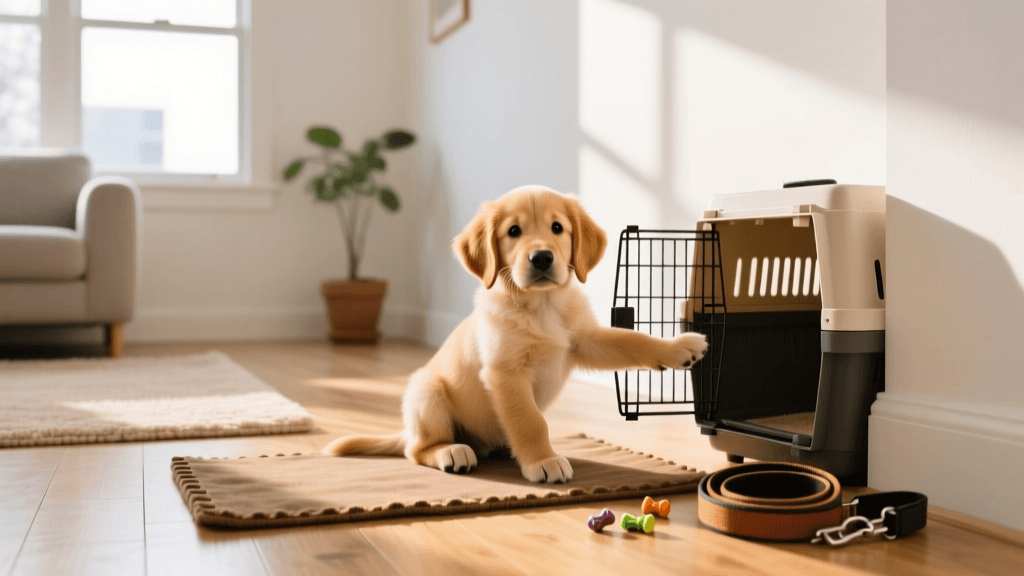
Rescue Puppy First 72 Hours: The Ultimate Decompression Guide
Learn how to navigate the first 72 hours with a rescue puppy. Discover decompression tips, essential gear, and bonding strategies for shelter dogs.

The Reality of Rescue: Meet Luna
When you decide to adopt a rescue puppy, you are signing up for one of the most rewarding experiences of your life. However, the transition from a loud, stressful shelter environment to a quiet home is a massive shock to a young dog's nervous system. Take Luna, for example. Luna was a 14-week-old terrier mix found wandering a rural highway before being brought to a high-kill shelter. When her adopters brought her home, she didn't play or wag her tail. Instead, she hid under the sofa, refused to eat for the first 18 hours, and trembled at the sound of the refrigerator humming.
Luna's adopters initially panicked, wondering if she was sick or if they had made a mistake. In reality, Luna was exhibiting classic signs of shelter decompression. According to The Humane Society of the United States, it is entirely normal for newly adopted dogs to exhibit stress behaviors, including hiding, pacing, or gastrointestinal upset, as they process the sudden change in their environment. Understanding how to manage the first 72 hours is critical to setting your rescue puppy up for lifelong success.
Understanding the 3-3-3 Rule of Dog Adoption
Before diving into the tactical steps of the first three days, it is essential to understand the famous '3-3-3 Rule' of rescue dog adoption. This rule provides a general timeline for how long it takes a rescue dog to adjust to a new home:
- 3 Days: To decompress from the shelter. The puppy may feel overwhelmed, scared, or unsure of their surroundings. They might not eat or drink normally and will likely test boundaries or hide.
To learn your routine and start showing their true personality. They begin to understand that they are safe and that you are their provider. - 3 Months: To build trust and form a secure attachment. By this point, the puppy understands that this is their forever home.
The first 72 hours (the first '3') are the most fragile. Your primary goal during this window is not obedience training or socialization; it is purely decompression and stress reduction. As noted by VCA Hospitals, chronic stress in dogs can suppress the immune system and lead to behavioral issues, making a calm, structured environment vital during the initial transition.
Pre-Arrival Prep: Setting Up the Decompression Zone
Do not wait until the puppy is in the car to set up their space. A rescue puppy needs a 'safe zone' where they can observe the world without being forced to interact. We recommend setting up a 36x24-inch exercise playpen in a low-traffic area of your home, such as a corner of the living room or a quiet home office.
Essential Gear Checklist & Costs
To create the ultimate decompression zone, you will need a few specific items. Expect to spend between $100 and $150 on these initial setup essentials:
- Wire Crate (Approx. $45): Place this inside the playpen. Size it so the puppy can stand up and turn around, but not so large that they can soil one end and sleep in the other. A crate with a divider panel is ideal for growing puppies.
- SmartPet Love Snuggle Puppy ($39.99): This toy features a simulated heartbeat and a heat pack. It mimics the feeling of sleeping against a littermate, which is incredibly soothing for rescue puppies experiencing nighttime anxiety.
- Adaptil Junior Calming Diffuser ($24.99): Plug this in near the playpen 24 hours before the puppy arrives. It releases synthetic dog-appeasing pheromones that signal safety and comfort.
- Nature's Miracle Advanced Stain and Odor Remover ($12.99): Enzymatic cleaners are non-negotiable. Shelter puppies often have incomplete potty training, and standard household cleaners will not remove the uric acid crystals that trigger repeat accidents.
- Zuke's Mini Naturals Treats ($6.99): Low-calorie, high-value treats for positive reinforcement without upsetting a sensitive rescue stomach.
The First 72 Hours: A Step-by-Step Survival Guide
Day 1: The Silent Arrival
The biggest mistake new rescue adopters make is hosting a 'welcome home' party. Day 1 should be incredibly boring. When you bring your puppy home, carry them directly to their designated potty spot outside. Use a consistent verbal cue like 'Go potty.' If they eliminate, reward them immediately with a small treat and quiet praise.
Afterward, lead them on a leash directly into their playpen. Remove the leash, offer a small bowl of water, and sit quietly nearby. Do not force interaction. Let the puppy sniff, explore, and decompress. Keep household noise to a minimum—turn down the TV and ask children to speak in whispers. Expect the puppy to sleep heavily; puppies need 18 to 20 hours of sleep a day, and the shelter environment likely deprived them of quality REM sleep.
Day 2: Potty Basics and Safe Exploration
On Day 2, your focus shifts to establishing a gentle potty routine and allowing safe, supervised exploration. Rescue puppies often have zero concept of holding their bladder. Implement the '10-Minute Rule': take the puppy to the exact same outdoor spot every 10 to 15 minutes while they are awake, immediately after they eat, and immediately after they wake up from a nap.
Begin introducing them to your home one room at a time using a 6-foot leash. This practice, known as 'tethering' or 'umbilical cord training,' prevents the puppy from wandering off to chew on baseboards or have hidden accidents. Keep sessions short—no more than 15 minutes of exploration before returning to the playpen for a mandatory nap.
Day 3: Establishing a Predictable Routine
By Day 3, your puppy should begin to show glimpses of their true personality. They may initiate play or seek out physical contact. Now is the time to solidify a predictable daily schedule. Dogs thrive on predictability. Feed them at the exact same times (e.g., 7:00 AM, 12:00 PM, and 5:00 PM), schedule walks at consistent intervals, and enforce a strict bedtime.
If the puppy cries in their crate at night, ensure they have been adequately exercised and have recently eliminated. Use the Snuggle Puppy with the heartbeat turned on. If they continue to whine, avoid making eye contact or speaking to them, as this rewards the crying. Only let them out when there is a brief moment of silence, so they learn that quiet behavior opens the door.
Nutrition and Digestion: Transitioning Shelter Food
Shelter puppies are often fed generic, bulk kibble that may be high in fillers. While you may be eager to switch them to a premium brand like Royal Canin Small Puppy or Purina Pro Plan, doing so immediately will almost certainly cause severe diarrhea. A rescue puppy's digestive tract is already compromised by stress.
Ask the shelter for a small bag of the exact food they were eating. If that isn't possible, buy a similar mid-tier kibble and feed it exclusively for the first 5 days. Once the puppy's stool is firm and they are settled, begin a 7-to-10-day transition to your preferred high-quality puppy food by mixing 25% new food with 75% old food, gradually shifting the ratio every three days.
Shelter Puppy vs. Breeder Puppy: First Week Expectations
Adopters who have previously purchased from a breeder are often shocked by the differences in a shelter puppy's behavior. Below is a comparison chart to help you set realistic expectations for your rescue puppy's first week.
| Aspect | Shelter Rescue Puppy | Breeder Puppy |
|---|---|---|
| Early Socialization | Often lacking; may be fearful of novel sounds, surfaces, and men wearing hats. | Usually exposed to household noises, handling, and early neurological stimulation. |
| Scent Familiarity | Smells like bleach, kennel concrete, and other stressed animals. | Smells like their mother and littermates, providing olfactory comfort. |
| Health History | Unknown or incomplete; high risk for kennel cough, parasites, or parvovirus exposure. | Documented deworming and initial vaccination schedule provided by a private vet. |
| Initial Stress Levels | Extremely high; requires strict decompression and limited stimuli. | Moderate; primarily stressed by separation from the litter, not environmental trauma. |
When to Call the Vet: Red Flags in Rescue Puppies
Because shelter environments are breeding grounds for infectious diseases, you must monitor your rescue puppy closely during the first 72 hours. While a single episode of soft stool or skipping one meal due to nerves is normal, certain symptoms require immediate veterinary intervention.
Contact your vet immediately if you observe:
- Lethargy: The puppy is unresponsive, unable to stand, or shows no interest in high-value treats like boiled chicken.
- Gastrointestinal Distress: Vomiting multiple times a day, or diarrhea that contains blood or mucus (a potential sign of Parvovirus or severe parasitic infection like Giardia).
- Respiratory Issues: A persistent, dry, hacking cough (indicative of Bordetella/Kennel Cough) or green nasal discharge.
It is highly recommended to schedule a 'new pet' wellness exam within 48 hours of adoption. During this visit, the vet will run a fecal float test for parasites and outline a safe vaccination protocol. According to the American Kennel Club, adhering to a strict puppy vaccination schedule is vital, especially for rescue dogs whose maternal antibody levels and previous vaccine efficacy are unknown.
Conclusion: Patience is the Ultimate Tool
Bringing home a rescue puppy like Luna requires a profound shift in expectations. You are not just training a dog; you are rehabilitating a living creature who has experienced early trauma. The first 72 hours are about laying a foundation of trust, not teaching them to sit or shake. By providing a quiet decompression zone, sticking to a rigid routine, and utilizing calming tools like the Snuggle Puppy and Adaptil diffusers, you give your rescue puppy the grace and time they need to realize they are finally safe. The journey of a rescue dog is a marathon, not a sprint, but the bond you forge in those quiet, early days will last a lifetime.
anouk-beaumont
All our authors care for dogs every day — read more of their work on the authors page.