Puppy Training Progression Plan: 8 Weeks to 6 Months
Master your puppy's first six months with our step-by-step training progression plan. Covers potty, crate, and obedience milestones from 8 to 24 weeks.
The Ultimate Puppy Training Progression Plan
Bringing a new puppy home is thrilling, but without a structured roadmap, the experience can quickly become overwhelming. A puppy's first six months are critical for cognitive development, behavioral shaping, and socialization. According to the ASPCA, early, positive training sets the foundation for a well-adjusted adult dog. This comprehensive training progression plan breaks down exactly what to teach your puppy from 8 weeks to 6 months of age, including specific timings, product recommendations, and actionable milestones.
Phase 1: 8 to 10 Weeks (Foundation & Management)
Core Focus: Potty Training, Crate Acclimation, and Handling
At eight weeks, your puppy's attention span is incredibly short. Formal training sessions should last no more than 3 to 5 minutes. The primary goal during this phase is management and building positive associations.
Potty Training: An 8-week-old puppy can typically hold their bladder for about three hours. The general rule of thumb is one hour per month of age, plus one. Take them to their designated potty spot immediately after waking up, eating, drinking, and playing. Use a specific verbal cue like 'go potty' and reward immediately with a high-value treat the second they finish.
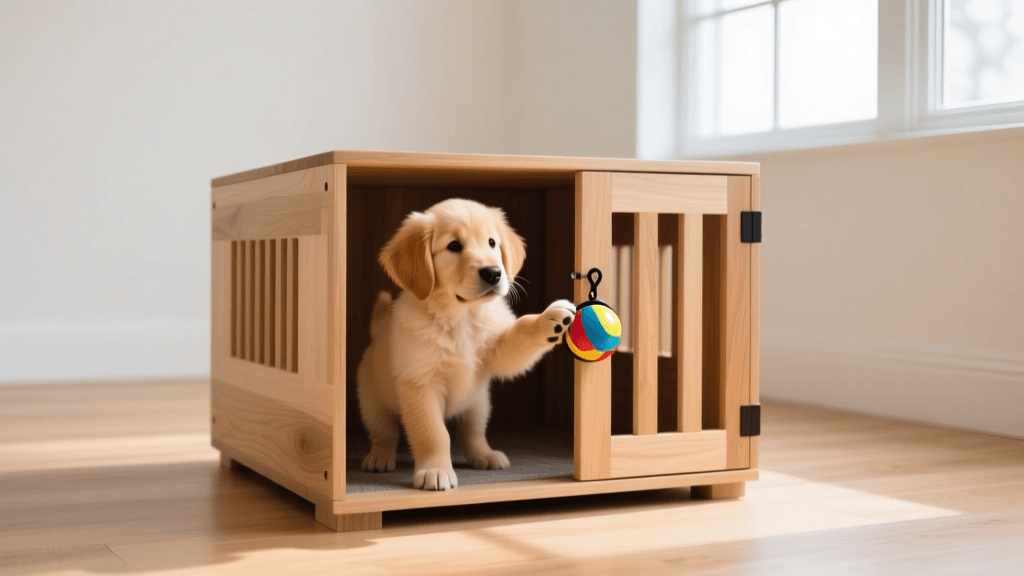
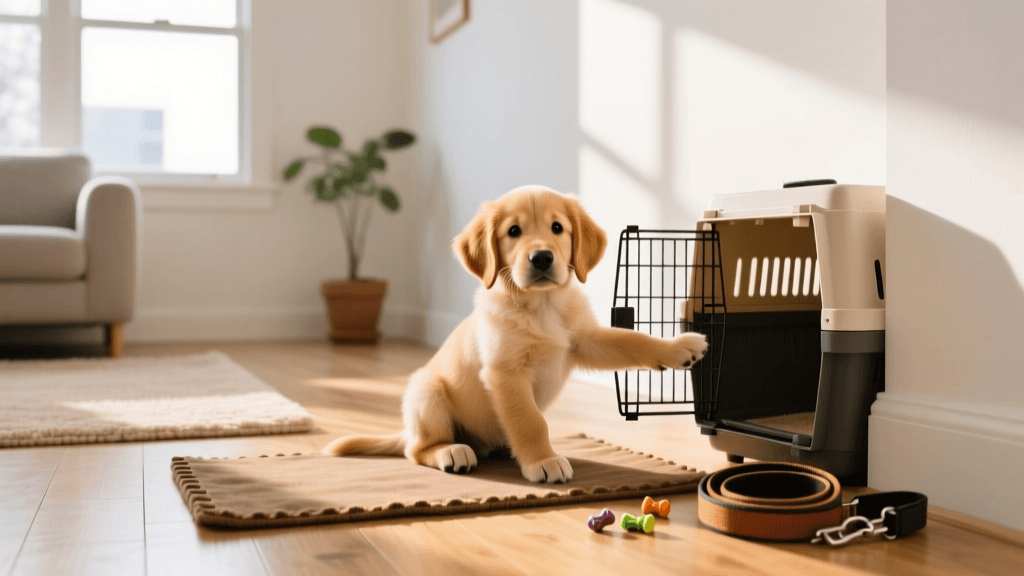
Crate Training: The Humane Society of the United States recommends using a crate that is only large enough for the puppy to stand, turn around, and lie down. If the crate is too large, they may soil one corner and sleep in the other. Purchase a wire crate with a divider panel, such as the MidWest Homes for Pets iCrate (approx. $60). Feed them their meals inside the crate with the door open to build a positive association.
Handling and Name Recognition: Gently handle your puppy's paws, ears, and mouth daily for just a few seconds at a time, pairing the handling with pea-sized treats. This prepares them for future grooming and veterinary exams.
Phase 2: 11 to 14 Weeks (Basic Obedience & Socialization)
Core Focus: Sit, Down, Recall, and Bite Inhibition
The primary socialization window begins to close around 12 to 14 weeks. The American Kennel Club (AKC) emphasizes that safe, positive exposure to new sights, sounds, surfaces, and friendly people during this window is vital for preventing fear-based behaviors later in life.
Basic Commands: Introduce the 'sit' command before every meal and before opening doors. Use a lure-and-reward method: hold a treat at their nose and slowly move it up and back over their head. As their head tilts back, their bottom will naturally lower. For 'recall' (come), practice on a 15-foot lightweight training leash in a fenced yard. Never call your puppy to you for something they perceive as negative, like a bath or nail trim.
Bite Inhibition: Puppies explore the world with their mouths, but they must learn that human skin is entirely off-limits. When puppy teeth graze your skin, let out a high-pitched 'yelp' to mimic a littermate, immediately stand up, and withdraw attention for 10 seconds. Redirect their chewing needs to a Kong Classic toy (approx. $15) stuffed with frozen, puppy-safe peanut butter.
Phase 3: 15 to 18 Weeks (Leash Manners & Impulse Control)
Core Focus: Loose-Leash Walking, Stay, and Leave It
Puppies at this age are actively teething and becoming much more aware of their environment, making them easily distracted. Transition from a flat collar to a front-clip harness, like the Ruffwear Front Range Harness (approx. $40), to gently discourage pulling without harming their developing trachea.
Loose-Leash Walking: The moment the leash goes tight, stop walking completely. Become a tree. Only resume walking when the leash is slack and your puppy looks back at you. Reward them for checking in with you voluntarily.
Impulse Control: Teach 'leave it' by placing a low-value treat on the floor and covering it with your hand. When your puppy stops digging and sniffing at your covered hand, mark the behavior with a 'yes' and reward them from your *other* hand with a higher-value treat. Practice 'stay' for durations of just 3 to 5 seconds initially, gradually increasing the time before you attempt to increase the distance.
Phase 4: 19 to 24 Weeks (Advanced Commands & Adolescent Prep)
Core Focus: Place Command, Distance Recalls, and Distraction Proofing
As your puppy approaches adolescence, they may begin to test boundaries and experience 'selective hearing.' This is the time to solidify your training progression plan by adding distance and distractions.
The Place Command: Introduce the 'place' command using a raised cot like the Coolaroo Elevated Pet Bed (approx. $30). This teaches them to settle on a specific mat, which is invaluable for impulse control when guests arrive or when you are cooking. Lure them onto the cot, reward heavily, and gradually build the duration they must stay on the mat.
Distraction Proofing: Begin practicing known commands in higher-distraction environments, such as quiet parks or the sidewalk outside a coffee shop. Always carry higher-value rewards, such as boiled chicken breast pieces or freeze-dried liver, when adding environmental distractions. If your puppy fails a command in a new environment, it means the distraction level is too high; decrease the distance to the distraction and try again.
The 3 Golden Rules of Puppy Progression
- The 5-Minute Rule: Limit formal, structured training sessions to 5 minutes per month of age. A 12-week-old puppy should train for no more than 15 minutes at a time to prevent frustration and mental fatigue.
- The Premack Principle: Use life rewards to reinforce obedience. Ask your puppy to 'sit' before you open the back door, before you put their food bowl down, or before you clip on their leash. This teaches them that calm behavior unlocks the things they want.
- Errorless Learning: Set your puppy up for success by managing their environment. If you are not actively supervising them, they should be in their crate or a puppy-proofed playpen. This prevents them from practicing unwanted behaviors like chewing baseboards or having accidents on the rug.
Puppy Training Progression Checklist & Timeline
| Age Range | Core Focus | Key Commands | Daily Session Length |
|---|---|---|---|
| 8 - 10 Weeks | Management, Potty, Crate | Name Recognition, Touch | 3 to 5 Minutes |
| 11 - 14 Weeks | Socialization, Bite Inhibition | Sit, Down, Come | 5 to 10 Minutes |
| 15 - 18 Weeks | Leash Manners, Impulse Control | Loose-Leash, Stay, Leave It | 10 to 15 Minutes |
| 19 - 24 Weeks | Distraction Proofing, Settling | Place, Distance Recall | 15 to 20 Minutes |
Essential Training Gear & Estimated Costs
- MidWest iCrate with Divider ($60): Essential for safe confinement and potty training.
- Zuke's Mini Naturals ($12/bag): Low-calorie, high-value training treats perfect for repetitive sessions.
- Kong Classic Toy ($15): Crucial for redirecting teething bites and providing mental enrichment.
- Ruffwear Front Range Harness ($40): Ergonomic design with a front clip to prevent leash pulling.
- 15-Foot Biothane Long Line ($25): Provides safe freedom for recall practice before off-leash reliability is achieved.
- Coolaroo Elevated Pet Bed ($30): Durable, breathable cot for teaching the 'place' and 'settle' commands.
Conclusion
Following a structured puppy training progression plan removes the guesswork from your puppy's first six months. By focusing on age-appropriate milestones, utilizing the right gear, and keeping sessions short and positive, you will build a bond of trust and clear communication. Remember that every puppy learns at their own pace; if your dog is struggling with a concept, simply take a step back in the progression plan and reinforce the foundational steps. Consistency, patience, and positive reinforcement are the ultimate keys to raising a polite, confident, and happy companion.
priya-sutaria
All our authors care for dogs every day — read more of their work on the authors page.