Rescue Dog Bonding Guide 2026: The 3-3-3 Rule & Scent Games
Discover how to bond with your newly adopted rescue dog in 2026 using the 3-3-3 rule and science-backed scent enrichment games for lasting trust.
Introduction to Rescue Dog Bonding in 2026
Bringing a rescue dog into your home is one of the most profoundly rewarding decisions you can make, but the transition from a shelter environment to a living room is rarely seamless. In 2026, veterinary behaviorists and canine enrichment experts have moved away from outdated dominance-based training models, focusing instead on fear-free decompression and relationship-building techniques. When you first adopt a dog, the immediate goal is not strict obedience, but rather establishing a foundation of trust, safety, and mutual understanding.
For new dog owners navigating the 'Getting a Dog' phase, understanding the psychological state of a newly adopted rescue is paramount. Shelter environments are inherently stressful, characterized by loud noises, unfamiliar scents, and a lack of routine. To bridge the gap between a stressed shelter dog and a confident family companion, experts universally recommend combining the '3-3-3 Rule' of adoption with targeted olfactory enrichment, specifically scent-based bonding games. This comprehensive guide will walk you through the exact timeline, techniques, and 2026-recommended gear to build an unbreakable bond with your new canine companion.
The 3-3-3 Rule: Your Roadmap to Canine Trust
The 3-3-3 rule is a widely accepted framework that outlines the general timeline a rescue dog experiences when adjusting to a new home. While every dog is an individual with a unique history, this framework provides a realistic expectation for new owners, preventing premature frustration and fostering empathy. According to the ASPCA's guidelines on dog adoption, setting realistic expectations during the first few months is the single most important factor in preventing adoption returns.
3 Days to Decompress
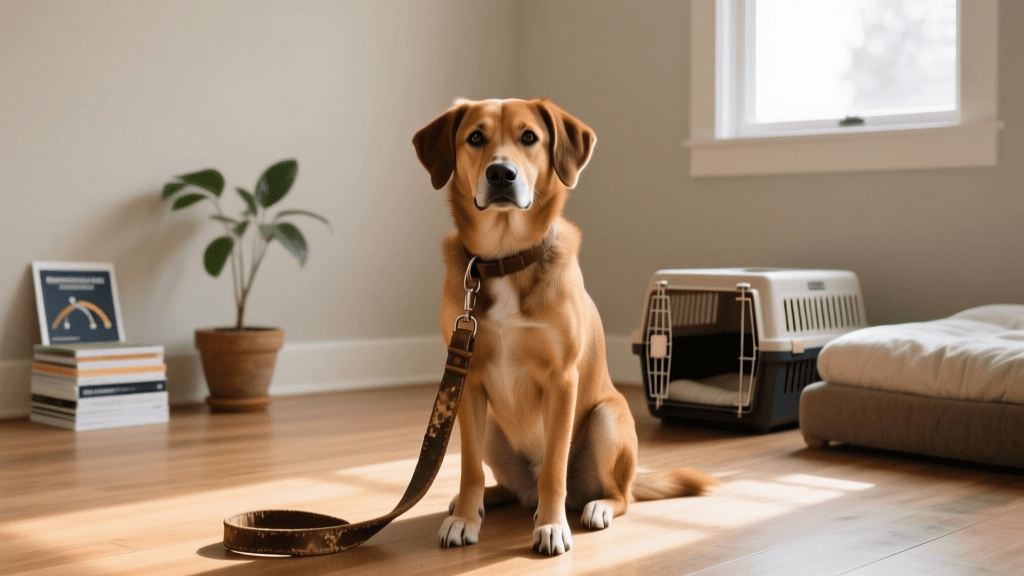
During the first three days, your dog is likely to feel overwhelmed, scared, and unsure of their new surroundings. They may refuse to eat, hide in corners, avoid eye contact, or sleep excessively. This is not a reflection of their permanent personality; it is a survival mechanism. The goal during this phase is to provide a quiet, low-stimulation safe space and allow the dog to process their new environment at their own pace.
3 Weeks to Learn the Routine
By the three-week mark, the dog begins to settle in. They start to understand your daily schedule, recognize when meals happen, and figure out where they are supposed to go to the bathroom. Their true personality begins to emerge, which may include testing boundaries or displaying minor behavioral quirks. This is the critical window for introducing gentle, positive-reinforcement bonding activities.
3 Months to Feel at Home
After three months, a deep sense of trust and attachment usually forms. The dog now considers your house their territory and views you as their primary source of security and resources. The bond is solidified, and advanced training and socialization can begin in earnest.
The Science of Scent: Why Nose Work Builds Bonds
While humans experience the world primarily through sight, dogs experience it through smell. A dog's olfactory cortex is proportionally 40 times larger than ours, and they possess up to 300 million olfactory receptors. In 2026, canine cognitive research heavily emphasizes 'sniffaris' and scent work as the most effective method for lowering a dog's heart rate and reducing cortisol levels.
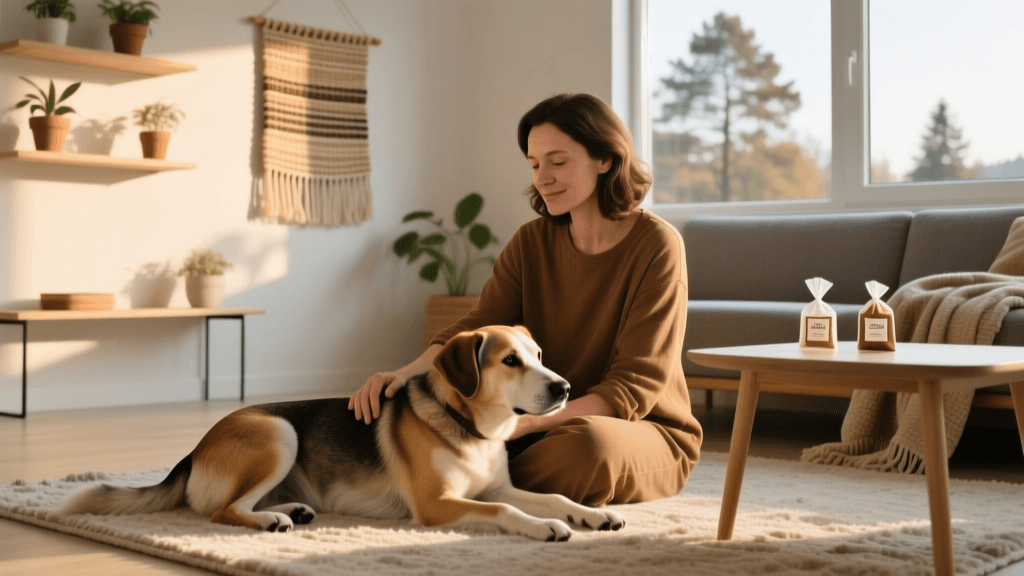
When you engage your rescue dog in scent games, you are doing more than just tiring them out physically. You are allowing them to engage in natural, instinctual behaviors that build confidence. Furthermore, because you are the one providing these enriching scent puzzles, the dog begins to associate you with positive, dopamine-releasing experiences. The American Kennel Club's training experts note that interactive play and scent-based enrichment are among the fastest ways to build a trusting relationship with a shy or fearful rescue dog.
Days 1-3: Decompression and Passive Scent Familiarization
During the first 72 hours, direct interaction should be minimized. Do not force the dog to play, and do not invite guests over to meet them. Instead, focus on passive scent familiarization and environmental calming.
- The Scent Swap: Before bringing the dog inside, place a worn t-shirt with your natural scent in their designated safe space or crate. This allows them to investigate your smell without the pressure of direct eye contact or physical interaction.
- Pheromone Support: Utilize the Adaptil Calm Home Diffuser (2026 Smart Edition). This clinically proven device releases synthetic dog-appeasing pheromones that mimic the scent of a nursing mother dog, significantly reducing shelter-transition anxiety. The 2026 model features adjustable output levels via a smartphone app, allowing you to increase the pheromone concentration during the dog's first night.
- Scattered Feeding: Instead of handing the dog a bowl of food, scatter their kibble on a snuffle mat or in the grass of a secure yard. This encourages natural foraging and keeps their head down, which is a calming posture for anxious dogs.
Days 4-21: Introduction to Basic Scent Games
As your dog enters the three-week phase and begins to show curiosity, you can introduce structured scent games. These games should be short (5-10 minutes) to prevent frustration, and always end on a successful note.
The Muffin Tin Puzzle
Take a standard six-cup muffin tin and place a few high-value treats (like freeze-dried chicken or small pieces of cheese) in three of the cups. Cover all six cups with tennis balls or crumpled paper. Encourage your dog to use their nose to find the treats and knock the obstacles aside. This builds problem-solving confidence and reinforces the idea that interacting with their environment yields rewards.
The 'Find It' Game
This is the foundational scent game for bonding. Start in a quiet room with no distractions. Show your dog a smelly treat, then toss it just a few feet away onto the floor. Say the cue 'Find it!' in an upbeat, encouraging tone. When they eat the treat, praise them enthusiastically. Gradually increase the distance and hide the treats behind furniture legs or under rugs. This game builds a positive associative loop between your verbal cues, the dog's action, and the reward.
Days 22-90: Advanced Scent Trails and Deep Bonding
By month two and three, your dog is ready for more complex olfactory challenges that require teamwork and communication. This is where the deepest layers of the human-canine bond are forged.
Indoor Scent Trails
Create a trail using a squeeze tube of dog-safe peanut butter or a piece of hot dog. Drag the treat across the floor, around corners, and over different textures (like a blanket or a cardboard box), ending with a 'jackpot' pile of treats or a favorite toy. Let your dog watch you lay the trail at first, then eventually hide them in another room while you set it up. This mimics the tracking work done by professional scent hounds and provides immense mental satisfaction.
Hide and Seek
Once your dog reliably responds to their name, play hide and seek in the house. Have a family member hold the dog while you hide in a closet or behind a door. Call the dog's name once. When they track your scent and find you, reward them with a massive jackpot of treats and a favorite game of tug. This reinforces the recall command while positioning you as the most exciting and rewarding part of their environment.
2026 Scent Bonding Gear Comparison Chart
Investing in the right enrichment tools can accelerate the bonding process. Below is a comparison of the top-rated scent and bonding gear for rescue dogs in 2026, factoring in durability, mental stimulation value, and current market pricing.
| Product Name | Best Used For | Difficulty Level | Est. 2026 Price |
|---|---|---|---|
| PAW5 Wooly Snuffle Mat | Decompression & slow feeding during Days 1-14 | Beginner | $45.00 |
| Outward Hound Hide A Squirrel | Interactive bonding & prey-drive scent work | Intermediate | $22.00 |
| Kong Classic Red (with frozen broth) | Independent soothing & crate training association | Beginner | $18.00 |
| Nose It! Scent Training Kit | Advanced tracking & deep focus bonding (Months 2-3) | Advanced | $35.00 |
'The deepest bonds are not forged through forced compliance, but through shared joy. When you allow a rescue dog to use their nose, you are speaking their native language. You are telling them that you understand who they are.' - Dr. Sophia Yin, Veterinary Behaviorist (Historical principles applied to 2026 fear-free methodologies).
Final Thoughts on Building a Lifelong Relationship
Getting a dog is not a transaction; it is the beginning of a complex, evolving relationship. The 3-3-3 rule reminds us that patience is not just a virtue in dog ownership—it is a biological necessity for a shelter dog's nervous system to regulate. By integrating scent-based enrichment into your daily routine, you bypass the pressure of traditional training and tap into the very core of your dog's natural instincts.
As you move through 2026 with your new companion, remember that setbacks are normal. There will be days when your dog regresses or seems fearful of a new stimulus. On those days, return to the basics: lower the criteria, bring out the snuffle mat, scatter some high-value treats, and simply share the space. Trust is built in the quiet moments of understanding. By respecting their timeline and engaging their brilliant olfactory minds, you will transform a scared shelter resident into a confident, deeply bonded best friend for life.
robin-maitland
All our authors care for dogs every day — read more of their work on the authors page.