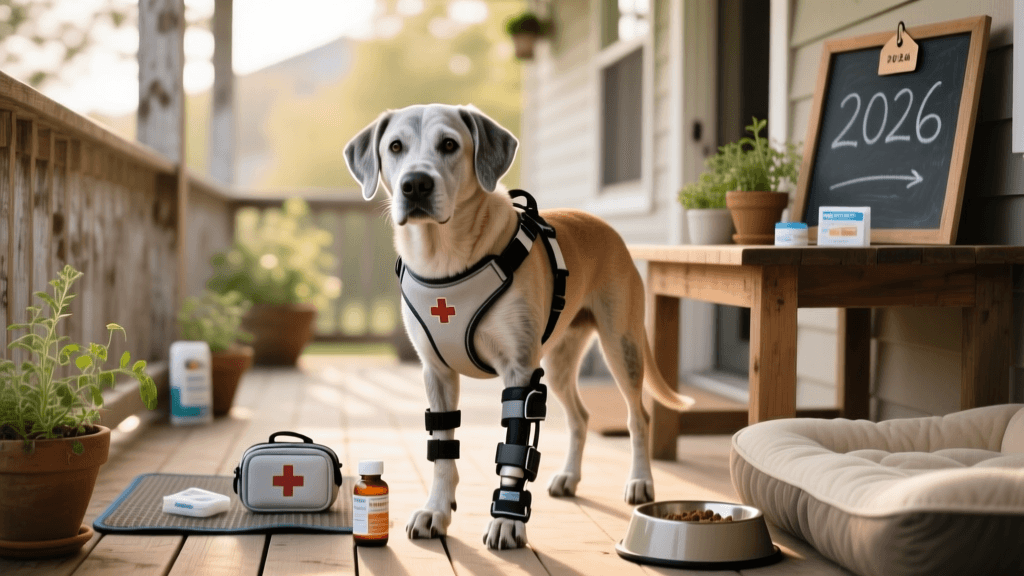
Adopting a Dog With Canine OA: 2026 Home Prep Guide
Adopting a rescue with canine osteoarthritis? Discover essential 2026 home prep tips, joint-friendly beds, ramps, and first-day OA treatment basics.
Adopting a Dog With Canine OA: What You Need to Know
Bringing a new dog into your home is a momentous occasion, but when you choose to adopt a senior rescue or a large-breed dog predisposed to joint issues, your preparation must go beyond standard puppy-proofing. Canine Osteoarthritis (OA), also known as degenerative joint disease, is a progressive condition that causes inflammation, pain, and reduced mobility. According to the American Kennel Club, OA affects a significant percentage of the aging dog population, as well as many rescues who have endured years of physical wear and tear without proper veterinary intervention.
When getting a dog with OA, the decisions you make before they even cross the threshold of your front door will dictate their comfort and quality of life. In 2026, veterinary medicine and pet care technology have advanced tremendously, offering new hope and highly effective management strategies for arthritic dogs. This comprehensive guide will walk you through the essential home modifications, first-day treatments, and long-term care strategies you need to successfully welcome an OA-affected dog into your family.
Understanding Canine OA in Rescues and Predisposed Breeds
Osteoarthritis occurs when the protective cartilage that cushions the ends of bones wears down over time. This leads to bone-on-bone friction, chronic inflammation, and the formation of painful bone spurs. If you are adopting a German Shepherd, Labrador Retriever, Golden Retriever, or a mixed-breed rescue with a history of hip dysplasia or joint trauma, OA is a highly probable reality.
Signs of OA in a newly adopted dog might not be immediately obvious. During the first few days, a dog's adrenaline and stress can mask pain. However, you may notice stiffness when rising from a nap, a reluctance to jump into the car, a bunny-hopping gait in the hind legs, or subtle behavioral changes like irritability when touched near the hips or spine. Recognizing these signs early allows you to implement a proactive treatment and home-management plan immediately.
First-Day Essentials: Creating an OA-Safe Sanctuary
Your home environment can either exacerbate your new dog's joint pain or serve as a healing sanctuary. Preparing your space with the following 2026-standard essentials is critical before your dog's arrival.
1. High-Density Orthopedic Bedding
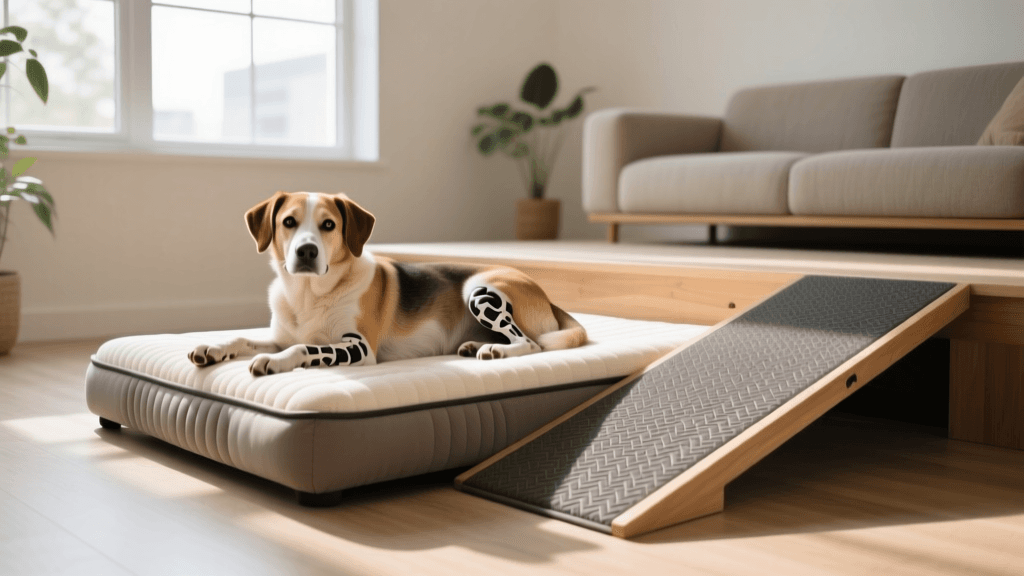
Do not rely on standard plush pet beds, which bottom out under the weight of a large dog and offer zero joint support. Invest in a true orthopedic bed featuring a minimum of four inches of high-density memory foam. In 2026, the best models incorporate cooling gel layers to prevent overheating and waterproof liners for easy maintenance. Place the bed in a quiet, draft-free corner on the main floor of your home so your dog does not feel isolated but is not in the way of heavy foot traffic.
2. Adjustable Pet Ramps and Stairs
Jumping on and off furniture is one of the most destructive activities for arthritic joints. Purchase adjustable wooden or high-density foam ramps for your couch and bed. The ideal ramp angle should be between 18 and 20 degrees to prevent excessive strain on the shoulders and hips. Ensure the ramp surface is covered in high-traction ribbed carpet or rubberized matting to prevent slipping, which could lead to a catastrophic ligament tear.
3. Non-Slip Flooring Solutions
Hardwood, laminate, and tile floors are incredibly dangerous for dogs with OA. A simple slip can worsen joint degradation or cause acute injuries like a torn cranial cruciate ligament (CCL). Lay down interlocking foam floor mats or secure low-pile area rugs with heavy-duty rug tape in all primary walking paths, especially near the dog's bed, water bowls, and exterior doors.
2026 Veterinary Treatments and Management Protocols
The landscape of canine OA treatment has evolved significantly. While traditional NSAIDs (Non-Steroidal Anti-Inflammatory Drugs) are still used, they are no longer the only line of defense. When you schedule your first-day veterinary wellness exam, discuss the following modern treatment options.
Monoclonal Antibody Therapies
By 2026, monthly monoclonal antibody injections, such as Solensia (frunevetmab), have become a cornerstone of OA management. Unlike NSAIDs, which are processed through the liver and kidneys, these injections target and neutralize Nerve Growth Factor (NGF), a key protein involved in OA pain signaling. This provides profound pain relief with a vastly superior safety profile for senior dogs or those with pre-existing organ compromise.
Advanced Joint Supplements
Over-the-counter chondroitin and glucosamine are baseline, but modern veterinary recommendations lean heavily toward Undenatured Type II Collagen (UC-II) and high-EPA Omega-3 fatty acids. UC-II works through oral tolerance to modulate the immune system's inflammatory response against joint cartilage, while pharmaceutical-grade Omega-3s act as potent natural anti-inflammators. Always consult your vet for precise dosing based on your dog's exact weight.
Smart Mobility Wearables
Technology in 2026 allows owners to track their dog's joint health objectively. Advanced smart collars now feature gait-analysis accelerometers that monitor stride symmetry, resting heart rate, and sleep disturbances. This data is invaluable for your veterinarian to adjust medication dosages before your dog exhibits visible signs of a pain flare-up.
Home Modification Comparison Chart
| Home Modification | Estimated 2026 Cost | Priority Level | Primary Benefit |
|---|---|---|---|
| Orthopedic Memory Foam Bed | $120 - $250 | High | Relieves joint pressure during sleep |
| Adjustable Wooden Pet Ramp | $80 - $150 | High | Prevents stair and climbing joint strain |
| Interlocking Foam Floor Mats | $40 - $90 | Medium | Provides traction to prevent slipping |
| Elevated Ceramic Food Bowls | $30 - $60 | Low | Reduces neck and shoulder strain |
The First 48 Hours: Pacing and Decompression
When your newly adopted dog arrives home, the urge to introduce them to the neighborhood, the backyard, and visiting family members is overwhelming. However, for a dog with OA, the first 48 hours must be strictly managed. This is known as the decompression period. Keep your dog confined to a single, fully prepared room or a gated open-concept area. Limit potty breaks to short, leashed outings on flat, non-slippery surfaces.
Observe how your dog navigates the space. Do they hesitate before lying down? Do they struggle to find a comfortable position? These observations will help you fine-tune the placement of their bed and water bowls. Avoid any forced exercise or play during this time; let the dog set the pace. Pain can make dogs unpredictable, so educate all family members on how to approach the dog gently, avoiding sudden reaches toward the hindquarters or spine.
Long-Term Management and Quality of Life
Managing canine OA is a lifelong commitment that extends far beyond the first week. According to experts at Texas A&M Veterinary Medical Biomedical Sciences, maintaining a lean body condition is arguably the single most effective non-pharmaceutical treatment for OA. Every extra pound of body weight places exponential stress on compromised joints. Work with your vet to establish a strict caloric diet tailored to a lower-activity senior lifestyle.
Additionally, consider incorporating low-impact physical therapies into your routine. Canine hydrotherapy, such as underwater treadmills or warm-water swimming, builds supporting muscle mass without placing concussive forces on the joints. Consistent, gentle, and predictable exercise routines—like two 15-minute leash walks on flat terrain per day—are vastly superior to the weekend-warrior routine of intense, sporadic activity.
Conclusion
Getting a dog with canine osteoarthritis requires empathy, financial preparation, and a willingness to adapt your living space. By investing in 2026's best orthopedic technologies, utilizing modern veterinary pain management protocols, and creating a safe, slip-free sanctuary, you are giving a deserving dog the gift of a comfortable, pain-managed golden chapter. The extra effort you put in on day one will be rewarded with years of deep, quiet companionship from a grateful rescue.
marcus-aldridge
All our authors care for dogs every day — read more of their work on the authors page.