Rescue Dog Bonding: The 3-3-3 Rule & First Month Guide 2026
Master the 3-3-3 rule for rescue dogs in 2026. Discover a day-by-day bonding routine, essential decompression tools, and trust-building tips.
Understanding the Rescue Dog Bonding Journey in 2026
Bringing a rescue dog into your home is one of the most rewarding experiences of dog ownership, but it requires patience, empathy, and a strategic approach to relationship building. As veterinary behaviorists and canine psychologists continue to refine adoption protocols in 2026, the focus has shifted heavily toward intentional decompression and trust-based bonding. Gone are the days when owners were advised to immediately socialize a new rescue at crowded dog parks. Today, the gold standard for integrating a shelter dog into your family revolves around the famous '3-3-3 Rule' and structured, low-stress bonding routines.
Whether you have adopted a timid senior hound or an energetic adolescent terrier mix, the first month is critical for establishing a secure attachment. According to the Humane Society of the United States, a dog's environment transition is a massive neurological event. Moving from a high-stress shelter kennel to a quiet home causes a sudden drop in cortisol and adrenaline, which can manifest as lethargy, fearfulness, or even temporary behavioral regression. Understanding this physiological shift is the first step in building an unbreakable bond with your new companion.
The 3-3-3 Rule of Rescue Dog Decompression
The 3-3-3 rule is a widely recognized timeline that helps new owners set realistic expectations for their dog's adjustment period. It breaks down the first three months into three distinct phases: 3 Days, 3 Weeks, and 3 Months. Let us explore how to leverage each phase for optimal relationship building.
Phase 1: The First 3 Days (Decompression and Overwhelm)
During the first 72 hours, your dog is likely overwhelmed by the new smells, sounds, and spatial freedom. They may refuse to eat, hide under furniture, or test boundaries. Your primary bonding goal during this phase is not to force interaction, but to become a source of safety and predictability.
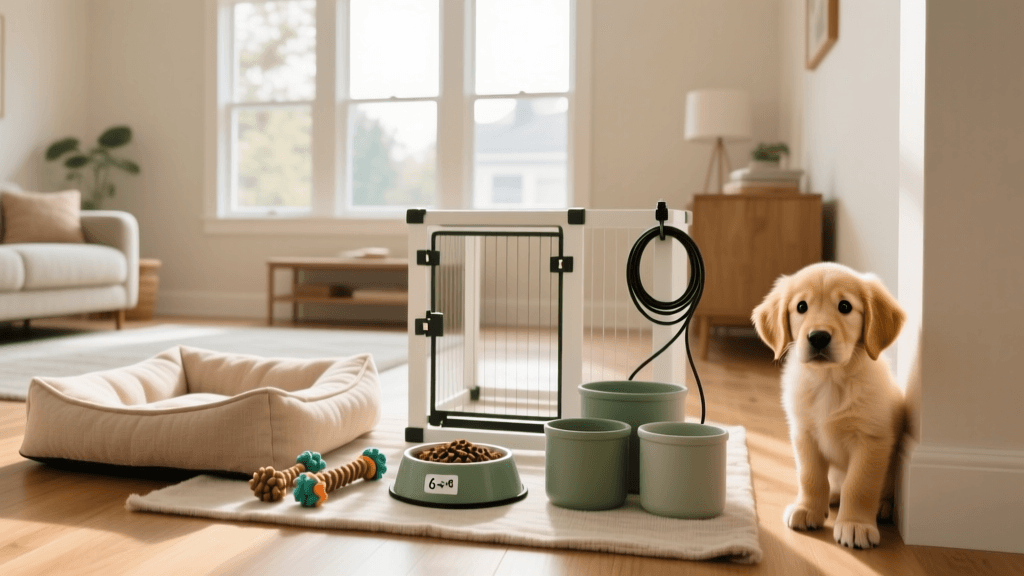
- Establish a Decompression Zone: Set up a quiet room or a gated area with their crate, water, and a familiar-smelling bed. Limit their access to the rest of the house to prevent sensory overload.
- Use Calming Pheromones: Plug in an Adaptil Optimum diffuser in their safe zone. The 2026 formulations of synthetic dog-appeasing pheromones are highly effective in lowering heart rates in stressed shelter dogs.
- Ignore to Invite: Sit quietly in the same room reading a book or working on your laptop. Toss high-value treats (like boiled chicken or freeze-dried liver) near them without making direct eye contact. This teaches the dog that your presence predicts good things without demanding social interaction.
Phase 2: The First 3 Weeks (Learning the Ropes)
By week two, the 'honeymoon period' often ends, and the dog's true personality and boundaries begin to surface. They are learning your schedule, house rules, and communication style. This is the prime window for establishing routine-based bonding.
- Hand-Feeding: Ditch the food bowl for a few weeks. Feeding your dog their daily kibble by hand during calm moments builds a powerful association between you and resource provision. The American Kennel Club frequently recommends hand-feeding as a foundational exercise for building focus and trust in newly adopted dogs.
- Scent Swapping: Dogs navigate the world through their olfactory system. Sleep in an old cotton t-shirt for a night and then place it in their bed. Your scent becomes associated with comfort and rest.
- Decompression Walks: Instead of structured heel-walking, take your dog on 'sniffaris.' Use a 15-foot biothane long line attached to a well-fitted Y-harness and let them dictate the pace and direction of the walk. Sniffing lowers a dog's pulse rate and builds confidence.
Phase 3: The First 3 Months (Building Deep Trust)
By the third month, a rescue dog typically begins to feel truly secure. They understand that they are not going back to the shelter. This is when you can introduce more complex bonding activities, cooperative care training, and expanded environmental enrichment.
- Cooperative Care Training: Teach your dog to voluntarily participate in their own grooming and handling. Exercises like the 'chin rest' or 'bucket training' empower the dog to opt-in to handling, drastically reducing fear and deepening mutual trust.
- Puzzle Toys and Teamwork: Introduce interactive games like hide-and-seek with treats or scent-work boxes. Working together to solve a problem releases dopamine in both the human and the canine brain, synchronizing your emotional states.
- Safe Socialization: Begin introducing your dog to trusted friends one at a time in low-key environments. Advocate for your dog by preventing strangers from looming over or petting them without permission.
Essential 2026 Bonding Toolkit & Estimated Costs
Investing in the right tools can accelerate the decompression process and prevent early bonding setbacks. Below is a structured guide to the most effective relationship-building products recommended by force-free trainers in 2026.
| Item / Technique | Bonding Purpose | Estimated 2026 Cost |
|---|---|---|
| Adaptil Optimum Diffuser | Releases advanced calming pheromones to ease shelter-transition anxiety in the decompression zone. | $65 - $85 |
| Snuggle Puppy with Heartbeat | Provides a physical heartbeat and heat pack to soothe dogs experiencing isolation distress at night. | $45 - $60 |
| 15ft Biothane Long Line | Allows for safe, off-leash style 'sniffari' decompression walks without the pressure of a short leash. | $30 - $55 |
| Kong Classic & Puzzle Feeders | Encourages independent problem solving and positive association with the owner's departure. | $15 - $40 |
| GPS Smart Collar (e.g., Fi or Tractive) | Provides peace of mind during long-line decompression walks, allowing the owner to relax and bond without fear of flight risk. | $100 - $150 + Sub |
Advanced Scent and Cooperative Bonding Techniques
To elevate your relationship beyond basic obedience, incorporate scent-based bonding games into your weekly routine. Canine olfactory enrichment is one of the most underutilized tools for relationship building. Create a 'scent box' using a shallow cardboard box filled with crumpled paper, dried leaves, and safe household items. Hide high-value treats like pieces of string cheese or lean beef throughout the box. Sit with your dog and encourage them to forage. Your role shifts from a 'dictator of rules' to a 'facilitator of fun,' which is vital for rescue dogs who may have experienced resource guarding or scarcity trauma in their past.
Furthermore, the ASPCA emphasizes that understanding canine body language is the bedrock of trust. In 2026, more owners are utilizing slow-blinking, yawning, and lip-licking as 'calming signals' to communicate non-threatening intentions to fearful dogs. If your rescue dog approaches you with soft eyes and a relaxed, sweeping tail wag, mimic their calm energy by lowering your shoulders, turning slightly to the side, and offering a soft, slow blink. This cross-species communication bridges the gap between human and canine social cues.
Common First-Month Bonding Mistakes to Avoid
Even with the best intentions, new owners often sabotage the bonding process by moving too fast. Avoid these critical errors during your first month:
- The 'Meet and Greet' Party: Inviting friends and family over immediately to meet the new dog is a recipe for sensory overload. Keep your home quiet for at least the first two weeks.
- Forcing Physical Affection: Hugging, kissing on the face, or looming over a dog's head are often perceived as primate aggression or threats in canine body language. Let the dog initiate contact, and pet them on the chest or shoulders rather than the top of the head.
- Inconsistent Boundaries: While empathy is crucial, dogs crave structure. If the dog is not allowed on the couch, do not allow it 'just this once' because they look sad. Clear, fair, and consistent boundaries make a rescue dog feel secure, which is the prerequisite for love.
Conclusion: A Lifetime of Trust
Bonding with a rescue dog is not a race; it is a marathon of mutual understanding. By respecting the 3-3-3 rule, utilizing modern decompression tools, and prioritizing your dog's emotional safety over your desire for immediate affection, you lay the groundwork for a profound, lifelong partnership. The patience you invest in those first 30 days will be rewarded with years of unwavering loyalty and companionship.
priya-sutaria
All our authors care for dogs every day — read more of their work on the authors page.